







The Sawan Diet: A Quest for Purity
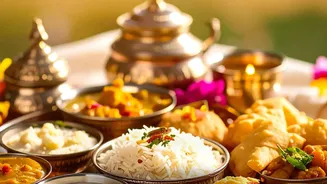
Sawan, or Shravan, is a sacred month dedicated to Lord Shiva, marked by fasting, prayer, and a shift towards a sattvic diet. This way of eating emphasizes fresh, light, and pure foods that are believed to calm the mind and aid spiritual focus. The goal
is to consume foods that are easy to digest and promote clarity and well-being. Common staples during this period include fruits, milk products, sabudana (tapioca pearls), and certain fasting flours like kuttu (buckwheat) and rajgira (amaranth). Conversely, foods classified as rajasic (stimulating) or tamasic (inertia-inducing), such as non-vegetarian items, onions, and garlic, are widely avoided.
The Case Against Brinjal
For many communities, particularly in parts of North and Central India, brinjal (eggplant) falls into the category of foods to be avoided during Sawan. According to some Hindu scriptures and traditional beliefs, brinjal is considered impure or tamasic. One reason cited is its nature; the vegetable often has a large number of seeds and is believed to possess properties that can cause negative energy or lethargy, interfering with the spiritual state desired during the holy month. Another practical concern that has merged with religious custom is that the monsoon season, which coincides with Sawan, is when brinjal is more susceptible to worms and insects, making it less hygienic.
An Ayurvedic and Seasonal Perspective
Ayurveda provides another lens through which to view these dietary customs. The monsoon season is a time when digestion is considered to be weaker. Foods that are heavy or difficult to process are generally discouraged. Some Ayurvedic classifications consider brinjal, a member of the nightshade family, to be tamasic and potentially aggravating to certain body energies or 'doshas'. Furthermore, the increased humidity and dampness can lead to a higher risk of spoilage and infestation in vegetables that grow close to the ground, a category that includes brinjal. This seasonal wisdom, developed over centuries to prevent food-borne illnesses, reinforces the religious restrictions in many households.
A Different Story in Other Regions
However, the prohibition against brinjal is far from universal. In many other parts of India, the vegetable remains a part of the diet, even during Sawan. In regions like West Bengal and parts of South India, there is no widespread custom of avoiding brinjal. In fact, certain temple cuisines, such as that of the Jagannath Temple in Puri, famously include brinjal dishes in their sacred offerings, even while strictly excluding onion and garlic. In these cultures, the focus is on the freshness and preparation of the vegetable, rather than a blanket ban. This highlights that food rules are often hyper-local, shaped by the specific cultural and agricultural context of a region rather than a single, monolithic doctrine.