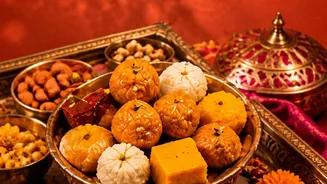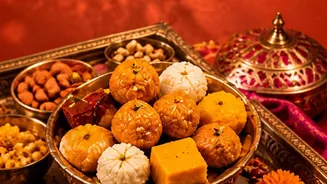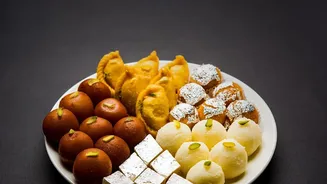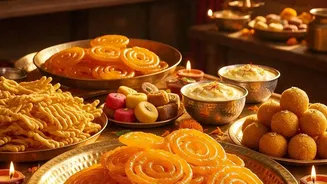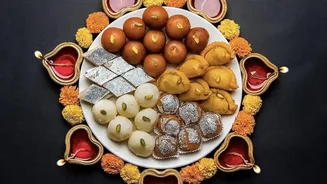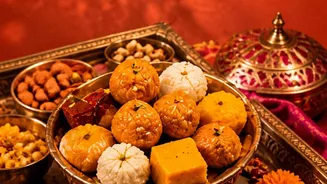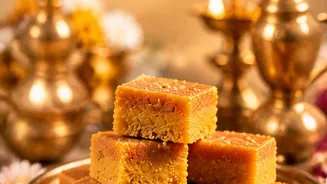

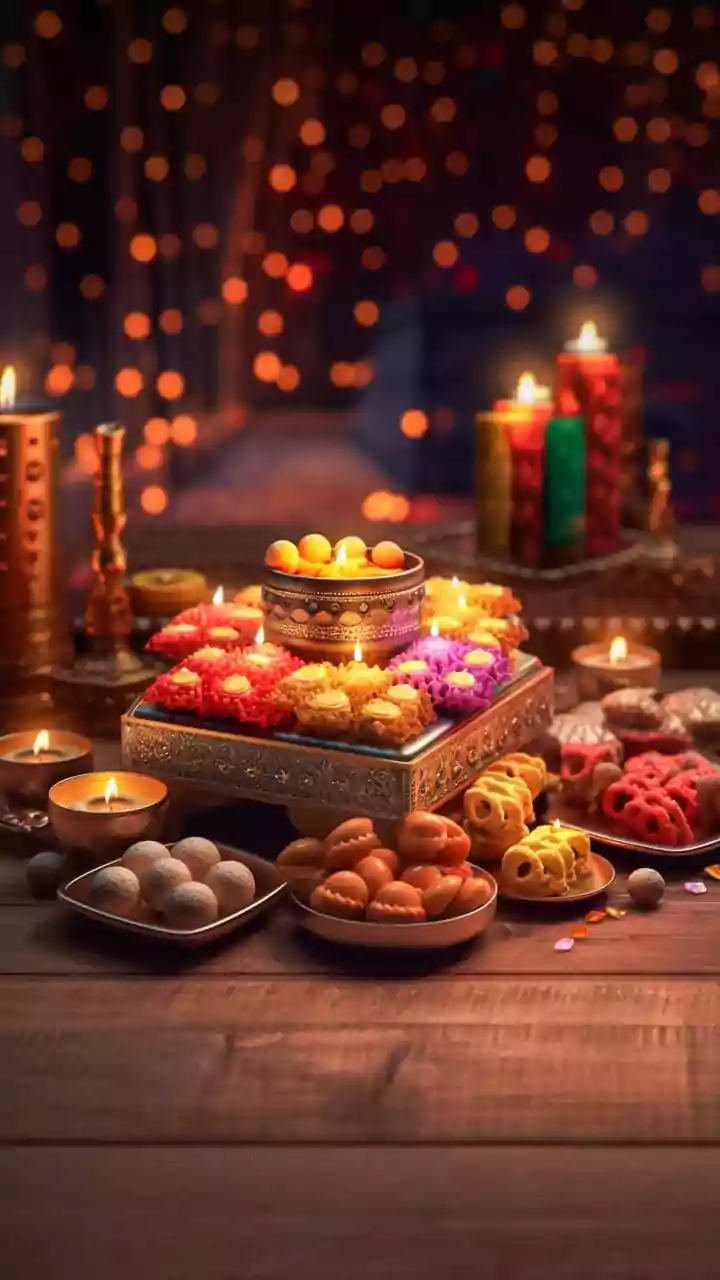
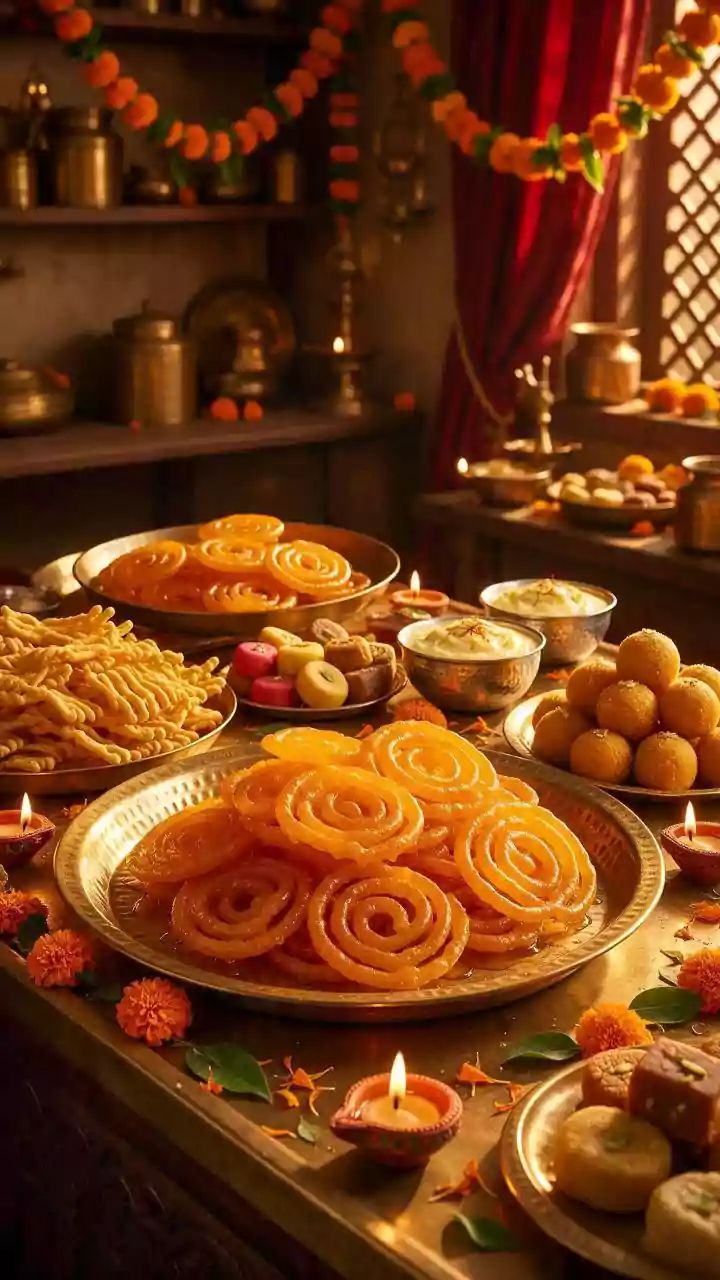
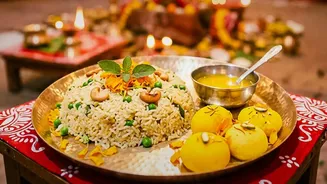
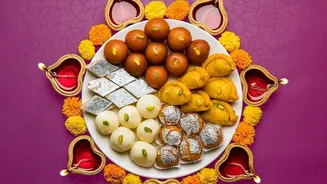
Diwali is synonymous with the sweet, rich flavours of laddoos and barfi. But amidst the joy, many wonder how to indulge mindfully. The secret isn't just about how many you eat, but when you eat them. Timing can make all the difference.
The Problem with an Empty Stomach
Reaching for a sweet
first thing in the morning or on an empty stomach might feel like a festive treat, but it's the fastest way to start a blood sugar roller coaster. When you eat sugar without any other food to buffer it, it gets absorbed into your bloodstream very quickly. This causes a sharp spike in blood glucose, followed by a rapid crash, which can leave you feeling tired, irritable, and craving even more sugar. Think of it as sending your energy levels on a steep climb and then a sudden drop. This is the cycle that health experts advise avoiding.
After a Meal: The Golden Rule
The consensus among dietitians is that the best time to enjoy a sweet is after a balanced meal. The protein, fibre, and fats from your main course slow down the digestion and absorption of the sugar from your dessert. Instead of a sharp spike, this leads to a more gradual, gentler rise in blood sugar, which is much easier for your body to manage. Eating sweets after a proper meal can also help with portion control, as you're already feeling partially full and satisfied. Some Ayurvedic principles also suggest that consuming sweets at the end of a meal signals to your brain that eating is finished, which can help prevent mindless snacking later.
Is There an Ideal 'Sweet Spot'?
While after a meal is good, some experts suggest there might be an even better window. Your body's ability to handle glucose, a type of sugar, is generally better earlier in the day. This means that enjoying your laddoo or barfi after lunch could be more optimal than after dinner. Your body is more active during the afternoon and can use the energy from the sugar more effectively, reducing the chances of it being stored as fat. Eating sweets too late at night can interfere with digestion and sleep for some people. A short walk after your meal and sweet can also be beneficial, as it helps your muscles use up some of the glucose.
Pair Your Sweets Wisely
The context of what you eat your sweet with also matters. A powerful strategy to manage blood sugar is 'food pairing'. This means never eating a carbohydrate-rich food, like a sweet, 'naked'. By pairing your mithai with a source of protein or fibre, you can further slow down sugar absorption. For instance, have a handful of nuts like almonds or walnuts alongside your barfi. The healthy fats, protein, and fibre in the nuts act as a buffer. Even the ingredients within the sweet make a difference. Sweets made with besan (gram flour), nuts, seeds, or dates are often better choices than those made purely from refined flour and sugar, as they contain some protein and fibre.
Mindful Indulgence Over Restriction
Ultimately, the goal during Diwali is not to create strict rules or feel guilty. Instead, it's about mindful indulgence. Celebrity nutritionist Rujuta Diwekar has long advocated for enjoying traditional, homemade sweets during the festival, noting they are often prepared in ways that are culturally and nutritionally balanced. Choosing the sweets you truly love, eating them slowly, and savouring each bite can lead to greater satisfaction with a smaller portion. Avoid skipping meals to 'save' calories for sweets, as this often backfires and leads to overeating later. A balanced approach allows you to participate fully in the joy of the festival while still being kind to your body.