




The Front is for Marketing, The Back is for Facts
The colourful characters and catchy slogans on the front of a cereal box are designed to sell a product, not to provide a complete nutritional picture. Studies have shown that there is often little to no correlation between the positive health claims
made on the front of the box and the actual nutritional quality of the cereal inside. Phrases like “immunity support” or “made with real fruit” can be particularly misleading. A cereal might be fortified with vitamins, but that doesn't negate high sugar content. Similarly, “made with real fruit” could mean a tiny amount of fruit concentrate in a product otherwise dominated by sugar and refined grains.
Mastering the Nutrition Label in 3 Steps
The real story of your cereal is on the nutrition information panel. Ignoring the front-of-box marketing and turning the package over is the single most important step. In India, the Food Safety and Standards Authority of India (FSSAI) mandates this labelling, giving you the power to make an informed choice. Here’s a simple checklist to follow.
First, check the serving size. Cereal manufacturers often list a surprisingly small serving size, like 30 grams. Be honest about how much you actually pour into your bowl; it may be double or triple the recommended serving, which means you are also consuming double or triple the sugar and calories listed.
Second, focus on the sugar content. This is crucial. Aim for cereals with 8 grams of sugar or less per serving. Be wary of any product where sugar is one of the first few ingredients listed. Remember that sugar hides under many names, including high-fructose corn syrup, glucose, and maltodextrin.
Third, look for fibre and protein. Fibre is key to feeling full and maintaining stable energy levels. Look for a cereal with at least 3 to 5 grams of fibre per serving. Protein also contributes to satiety. Comparing these numbers between two boxes will give you a much clearer picture of the healthier option.
The Truth About 'Whole Grains' and 'Multigrain'
The terms “whole grain” and “multigrain” sound incredibly healthy, but they require a closer look. “Multigrain” simply means that more than one type of grain was used; it does not guarantee that any of them are whole grains. The product could be made from several refined grains. The term “whole grain” is more meaningful, as it means all parts of the grain kernel have been used, preserving the fibre and nutrients. To verify this, check the ingredients list. The very first ingredient should be a whole grain, such as “whole wheat,” “whole grain oats,” or “oat bran.” If the first ingredient is refined flour (maida) or another refined grain, the whole grain content may be minimal.
Making a Genuinely Healthy Choice
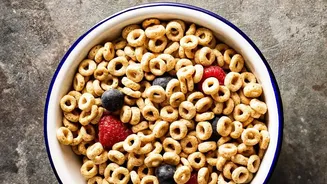
A truly healthy breakfast cereal forms the base of a nutritious meal, it isn't the entire meal itself. Even with the best cereal choice, consider what you add to it. Instead of sugar, add sweetness and extra fibre with fresh fruit like berries or a chopped banana. A handful of nuts or seeds can add healthy fats and protein, helping you stay full until lunch. If your favourite cereal is a sugary one, consider mixing it with a high-fibre, low-sugar option to improve its nutritional profile. The goal is to build a breakfast that provides sustained energy, not a sugar rush followed by a mid-morning crash.