




Plan Your Green Canvas
Before you buy a single plant, take a moment to assess your space. The first step is to count how many hours of direct sunlight your balcony receives daily. This will determine which plants will thrive. Sun-loving herbs like basil, rosemary, and oregano
need at least six hours of light, while mint, parsley, and lemon balm can manage with less. Similarly, for flowers, bougainvillaea, hibiscus, and marigolds flourish in the sun, whereas plants like aparajita (butterfly pea) and some varieties of jasmine can handle partial shade. Also, consider your balcony's exposure to wind. Sheltered balconies may need better air circulation to prevent mould, while windy spots require sturdy plants and heavier pots. Finally, decide on your goal. Are you looking for a fragrant evening retreat with mogra and chameli, or a culinary corner with mint, curry leaves, and basil? Having a clear plan makes plant selection much easier.
Think Vertically, Not Just Horizontally
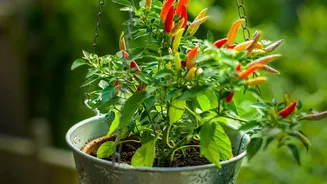
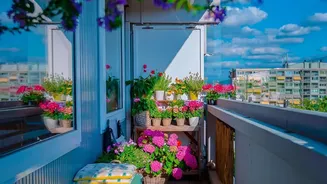
When floor space is limited, the only way to go is up. Vertical gardening is the key to maximising a small balcony. You can attach trellises to walls for climbing plants like madhumalti or aparajita, creating a living wall of colour. Railing planters are perfect for trailing flowers like petunias or herbs like creeping thyme, drawing the eye upwards and freeing up the floor. Tiered shelves or outdoor-friendly shelf units can hold a surprising number of pots, allowing you to create layers of greenery. Hanging baskets are another excellent option, ideal for plants with a cascading habit, such as sweet potato vine or certain varieties of mint. This strategy not only allows you to grow more in less space but also creates a more immersive, jungle-like feel.
Smart Plant Pairings
The most successful small gardens rely on companion planting, where different plants are grown together for mutual benefit. This is especially effective when combining flowers and herbs. Aromatic herbs like rosemary, lavender, and mint can help deter common garden pests, protecting your delicate flowers. In turn, flowers like marigolds, calendula, and zinnias attract pollinators like bees and butterflies, which is crucial if you're growing any fruiting plants like tomatoes or peppers. A classic combination for a sunny Indian balcony is basil and marigolds planted near a tomato plant; the marigolds help repel pests while the basil is said to improve the tomato's flavour. For a more fragrant pairing, try growing mint or thyme near lavender. When combining plants in one pot, ensure they have similar needs for sunlight and water. For example, Mediterranean herbs like rosemary, sage, and thyme all prefer full sun and well-drained soil, making them great container companions.
Choose the Right Homes for Your Plants
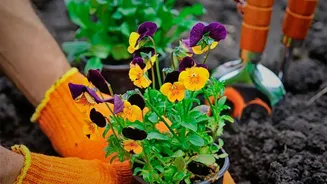
The right container is about more than just aesthetics; it's crucial for plant health. Ensure every pot has drainage holes to prevent waterlogging and root rot. For balconies, lightweight materials like plastic, fibreglass, or fabric grow bags are often a practical choice over heavy terracotta or ceramic, especially if weight is a concern. However, if your balcony is windy, heavier pots can provide stability. You can also group several pots together to create a more stable cluster that protects plants from strong gusts. To maximise space, consider multi-plant containers or window boxes that can house a small arrangement of a 'thriller' (a tall, upright plant like sage), a 'filler' (a mounding plant like petunia or oregano), and a 'spiller' (a trailing plant like creeping thyme or sweet potato vine). This technique creates a full, professional-looking arrangement in a single pot.
Nurture Your Growing Garden
A compact garden is a living system that requires consistent care. Check soil moisture daily, especially during hot Indian summers, as pots can dry out quickly. It's often best to water early in the morning. Regularly harvesting your herbs encourages bushier growth and provides you with fresh flavours for your kitchen. For flowers, a practice known as 'deadheading'—pinching off spent blooms—will encourage the plant to produce more flowers. Pruning is also essential to maintain shape and prevent one plant from overwhelming its neighbours. A monthly feed with a balanced liquid fertiliser during the growing season will keep both your blooms and herbs healthy and productive. Keep an eye out for pests like mealybugs, especially on plants like hibiscus, and treat them early with a simple neem oil spray.