






The Perennial Mango Problem
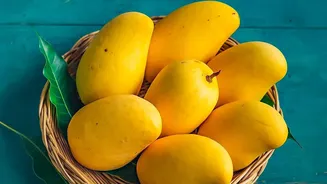
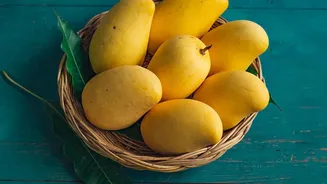
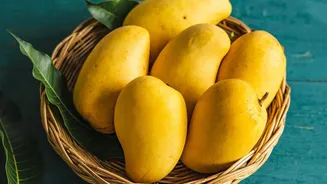
India is the world's largest producer of mangoes, with a dizzying array of over 1,000 varieties. Yet, it exports only a tiny fraction of its harvest. The primary culprit is the mango's notoriously short shelf life. Most popular export varieties like Alphonso
and Kesar have a very narrow window of availability, typically from March to June. For exports to distant markets, this perishability makes slow and cheap sea freight nearly impossible, leaving expensive air freight as the only viable option. This high transport cost, which can account for over half the export price, makes Indian mangoes a pricey luxury abroad and limits their market penetration. The result is a compressed, frantic season and a market that leaves both farmers and global consumers wanting more.
An Airborne Solution from Kolar
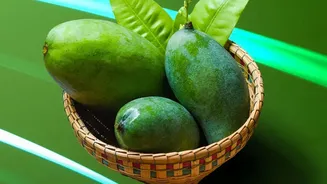
In a bid to tackle this challenge, a significant trial was launched in late July 2026. The Agricultural and Processed Food Products Export Development Authority (APEDA) facilitated the first-ever air shipment of Neelam and Totapuri mangoes from Karnataka to the Maldives. These varieties are crucial because they are harvested from late June through July, after the main season for other popular types has ended. This test shipment, weighing one metric tonne, was sourced directly from farmers in the Kolar district, an area known for its mango cultivation. By focusing on these late-season varieties, the initiative aims to systematically extend India's mango export calendar.
A Sweet Deal for Farmers
The immediate impact of the trial was a financial windfall for the farmers involved. With local markets often flooded during peak season, prices can plummet. This direct export model, however, delivered significantly higher returns. Farmers who participated in the air freight trial received prices that were reportedly over 50 percent higher than what they would get in conventional local markets. For instance, the Totapuri variety, which might only fetch ₹3 to ₹4 per kilogram locally, was sold for ₹30 per kg for the export consignment. Similarly, the Neelam variety jumped from around ₹30 per kg to ₹72 per kg. This demonstrates a powerful financial incentive for developing more robust export channels that bypass traditional market gluts.
The High Cost of Speed
Despite the success of this initial shipment, scaling up presents considerable challenges. The primary obstacle remains the formidable cost of air freight, which has recently seen sharp increases due to global events and tighter cargo capacity. While premium varieties for niche markets can absorb these costs, it remains a significant barrier for bulk exports. Furthermore, the broader ecosystem for agricultural exports requires reinforcement, including cold-chain infrastructure, phytosanitary treatment facilities, and streamlined logistics to handle perishable goods efficiently. While this trial proves the concept is viable for late-season varieties, making it a widespread, economically sustainable practice will require continued investment and government support.