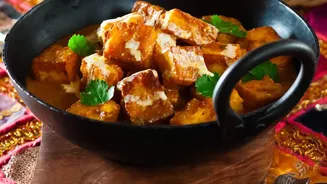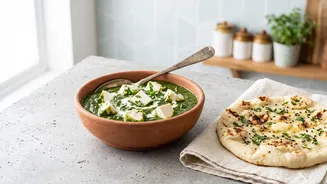




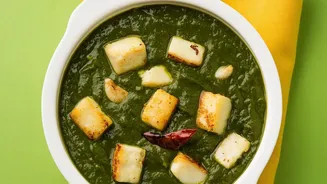
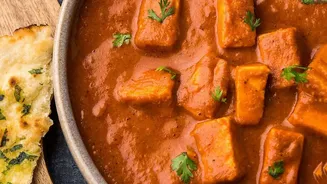
What Exactly is Being Proposed?
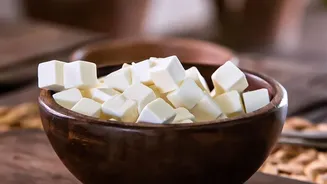
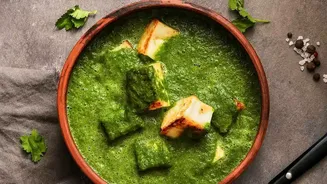
The Food Safety and Standards Authority of India (FSSAI) has circulated a draft amendment aimed at protecting the term 'paneer'. The proposal suggests that products made from non-milk ingredients cannot be manufactured, sold, or marketed using the word
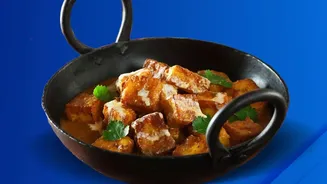
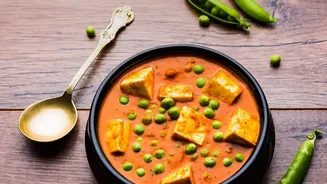
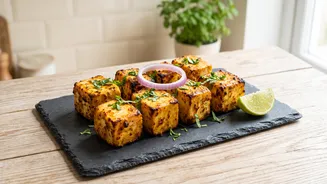
'paneer'. This would apply to so-called 'analogue' products, which are designed to mimic the taste and texture of dairy paneer but may use ingredients like vegetable oils, plant starches, and emulsifiers. If the rule is finalized, companies that currently make these alternatives under the 'Analogue in Dairy Context' category will have to remove the word 'paneer' from their packaging and all marketing materials.
The Drive for Consumer Clarity
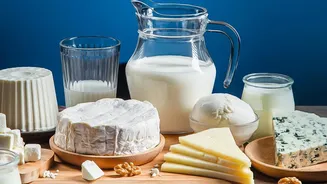
The primary goal behind FSSAI's proposal is to prevent consumers from being misled. The regulator argues that when a customer buys paneer, they should be confident they are getting a product made from milk, as per its official definition. Analogue products can be cheaper to produce and are often used by restaurants and caterers, but consumers may not be aware they are eating a substitute. There are concerns that this deprives shoppers of the ability to make informed choices based on ingredients, nutritional value, or dietary preferences. Several states, including Maharashtra and Gujarat, have already taken action against the sale of analogue paneer, citing food safety and consumer deception as major concerns.
A Question of Nutrition and Tradition
For many Indians, especially vegetarians, paneer is a crucial source of protein. A key concern raised during regulatory discussions is that analogue products may not offer the same nutritional benefits as traditional milk-based paneer. While a dairy-free alternative isn't inherently unhealthy, its nutritional profile—often lower in milk protein and higher in vegetable fats—can be vastly different. The dairy industry and its proponents argue that reserving the term 'paneer' is essential to protect a traditional food product and safeguard India's large dairy ecosystem from cheaper industrial substitutes.
What About Plant-Based Innovation?
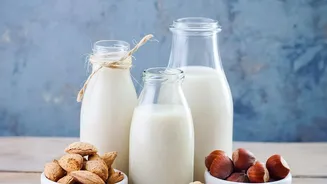
The burgeoning plant-based food industry in India sees this differently. While the FSSAI proposal targets analogues made with vegetable oil, it casts a shadow over a wide range of non-dairy alternatives, including those made from nuts, soy (tofu), and other plant sources. These products cater to a growing market of consumers who are vegan, lactose intolerant, or seeking to reduce their dairy intake for health or environmental reasons. Producers of these alternatives argue that terms like 'vegan paneer' or 'plant-based paneer' help consumers understand what the product is and how to use it. They fear that a blanket restriction could stifle innovation and make it harder for shoppers to find the dairy-free options they are looking for.
What Happens Next?
The FSSAI's proposal is currently a draft, and the authority has invited suggestions and objections from the public and stakeholders for 60 days following its notification on September 22, 2026. The final decision will impact everyone from large food corporations and plant-based startups to local restaurants and grocery shoppers. If passed, you may start seeing different names on product packages, such as 'vegetable fat block' instead of analogue paneer. Food service businesses like hotels and restaurants would also be required to clearly state on menus when they are using a non-dairy substitute. This move aims to make what's on your plate clearer than ever before.