


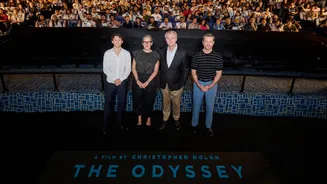



The Director's Measured Verdict
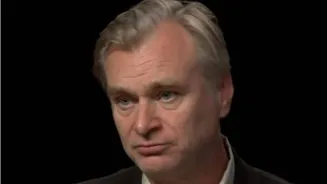
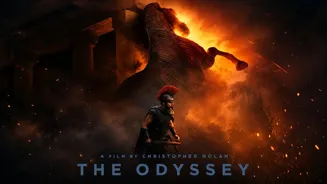
While promoting his new epic, “The Odyssey,” Christopher Nolan has articulated a nuanced stance on one of the most contentious issues in modern filmmaking. He stated that the idea of AI replacing human creativity wholesale is “a nonsense.” Instead, he foresees
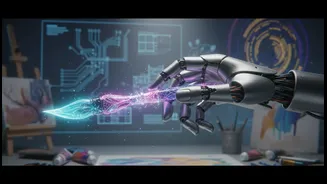
artificial intelligence evolving into a set of powerful “imaging tools” that can assist filmmakers. This perspective frames AI not as a storyteller, but as a sophisticated paintbrush or camera—a means to an end, still guided by a human artist. Nolan's argument is that while the technology has been embraced by investors, it has been met with public “disdain,” particularly from younger audiences who are quick to identify and dismiss low-quality, machine-generated “AI slop.”
Hollywood's Ongoing AI Anxiety
Nolan's comments land in an industry still grappling with the implications of generative AI. The technology was a central issue in the landmark Hollywood strikes of 2023, which saw writers and actors demanding protections against studios using AI to replace them or train new models on their work. The fear is palpable: studios see a potential for massive cost savings by automating roles from background actors to writers, while creatives fear the devaluation of their craft and livelihood. The debate has created a clear divide, with some filmmakers like Guillermo del Toro rejecting AI outright, while others, like Martin Scorsese, are experimenting with it for tasks like storyboarding. Nolan’s position offers a middle ground, acknowledging the technology's potential while firmly championing human oversight and responsibility.
An Audience Craving Authenticity
A key part of Nolan's argument is his observation that audiences, especially Gen Z, are rejecting inauthentic content. He points to the success of young filmmakers like Kane Parsons (“Backrooms”) and Curry Barker (“Obsession”), who have gained traction by focusing on practical techniques and distinctive, human-driven storytelling. According to Nolan, his own children's judgment of “AI slop has been immediate and harsh.” He believes this reaction signals a broader cultural shift. After years of movies saturated with digital effects, audiences are showing a renewed interest in more “tactile, more real forms of storytelling.” This appetite for authenticity, Nolan suggests, is why AI is arriving at “exactly the wrong time” for those who hope it will replace human artists.
A Consistent Filmmaking Philosophy
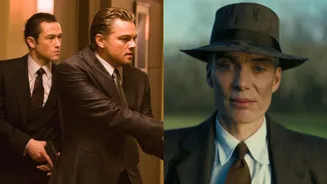
This perspective on AI is deeply consistent with Christopher Nolan's long-established filmmaking ethos. Known for his commitment to practical effects—like flipping a real truck in “The Dark Knight” or growing his own cornfield for “Interstellar”—Nolan has always prioritized capturing as much as possible “in-camera.” His view on AI continues this philosophy: technology should serve the story and enhance reality, not simulate it wholesale. In 2023, during press for “Oppenheimer,” he drew parallels between the need for nuclear restraint and the calls from AI experts for caution, emphasizing the importance of human responsibility when unleashing powerful new technologies upon the world. For Nolan, whether the tool is a film camera or an algorithm, the human hand and mind must remain in control.