








Why Is India Pushing for E20?
The government's promotion of E20 (20% ethanol, 80% petrol) is a cornerstone of its national energy strategy. The primary goals are threefold: to reduce the country's massive oil import bill, which makes the economy vulnerable to global price shocks;
to lower carbon emissions and improve air quality; and to support the rural economy by creating a stable market for agricultural products like sugarcane and maize used in ethanol production. Proponents highlight significant foreign exchange savings and a boost to farmer incomes as key achievements of the ethanol blending programme, which has been accelerated in recent years.
The Rising Chorus of Complaints
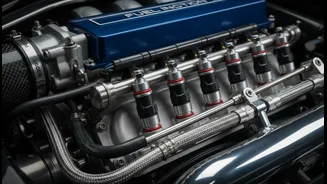
Despite the policy's benefits, the nationwide rollout of E20 has been met with a rising wave of complaints from consumers. Many vehicle owners, particularly those with cars and two-wheelers manufactured before 2023, report a noticeable drop in mileage. This is a widely acknowledged side-effect, as ethanol has a lower energy density than petrol. However, more worrying are the growing reports of accelerated wear and tear. These complaints often centre on the fuel's solvent properties, with owners flagging issues like failing fuel pumps, clogged injectors, and the degradation of rubber and plastic components like hoses and seals.
The Compatibility Question
At the heart of the debate is the issue of vehicle compatibility. Most vehicles produced in India after April 2023 are designed to be fully E20-compliant. The concern lies with the millions of older vehicles, estimated to be over 80% of those on the road, which were engineered for E5 or E10 blends. An unpublished report by the Automotive Research Association of India (ARAI) noted that while metallic components were largely unaffected, certain rubber parts in older vehicles could degrade faster when using E20 fuel. While the report backed the E20 rollout, its findings have fueled consumer anxiety about the long-term health of their vehicles.
Government's Stance: Science Before Action
In response to the growing controversy, government officials, including Petroleum Minister Hardeep Singh Puri, have largely dismissed the complaints as misinformation or misrepresentation. Officials and automakers maintain that E20 has undergone extensive testing and is safe for vehicles, pointing to years of research and the practices of other countries. They attribute many reported problems to other factors like fuel contamination. However, acknowledging the public debate, the government has stated that any move to higher blends like E25 will only happen after thorough scientific tests are completed and the reports are evaluated with all stakeholders.
Automakers Defend the Fuel
Major automobile manufacturers have publicly supported the government's position, asserting that E20 fuel is safe even for many older models. Companies like Maruti Suzuki, Toyota, and Hero MotoCorp have stated that their extensive internal testing has shown no significant issues related to wear, corrosion, or component life when pre-2023 vehicles use E20. They argue that modern engines are built with sufficient engineering safety margins. Service records from major two-wheeler manufacturers also reportedly show no increase in damage for vehicles running on E20 compared to earlier fuel blends.