







The Fleeting Jewel of Summer
The allure of the lychee is matched only by its frustratingly brief lifespan. Once picked from the tree, a lychee’s biological clock starts ticking loudly. The primary culprit is its thin, porous skin, known as the pericarp. This delicate outer layer
is not very protective, leading to rapid moisture loss. When exposed to air, especially the cool, dry air of a refrigerator, the skin quickly begins to brown. This process, called enzymatic browning, is the same reaction that turns a cut apple brown. Unlike many other fruits, lychees are non-climacteric, meaning they do not continue to ripen after being harvested. The flavour you get the day they are picked is as good as it will ever be. From that point on, you are in a race against decay. At room temperature, a fresh lychee may only last two to three days before it starts to deteriorate.
How to Choose the Best Lychees
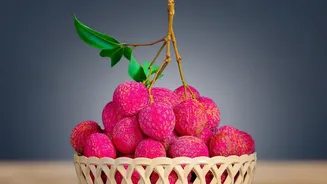
Your best defence against spoilage begins at the point of purchase. Since the fruit won’t ripen further, selecting perfectly ripe lychees is crucial. Look for a vibrant, bright red or pinkish rind. While some varieties might have greenish or yellowish hues, you should generally avoid fruits that are predominantly brown, as this is a sign of ageing. Gently press the fruit; it should feel firm but have a slight spring to it. If it’s rock-hard, it may be underripe, and if it’s overly soft, mushy, or leaking juice, it’s likely overripe or already beginning to spoil. A good lychee will also have a fresh, floral fragrance. If you detect a sour, fermented, or vinegary smell, it’s a clear sign the fruit has turned.
The Golden Rules of Smart Storage
Once you bring your lychees home, proper storage is everything. While they only last a few days on the counter, refrigeration can extend their life significantly, often up to a week or two. The key is to combat moisture loss and exposure to dry air. The best method is to place the unwashed lychees in a plastic bag or a sealed container. To manage excess moisture that can accelerate decay, line the bag or container with a paper towel to absorb condensation. Some sources suggest poking a few holes in the bag for ventilation. It is worth noting that even with perfect refrigeration, the skin may still turn brown, but this often doesn't affect the quality of the flesh inside. For longer-term storage, freezing is an excellent option. Simply peel and pit the lychees, then place them in an airtight container or freezer bag. They can last for many months and be eaten frozen like a sorbet.
Race Against the Clock: Quick Uses for Fresh Lychees
Since the clock is always ticking, it helps to have a plan. Beyond eating them fresh out of hand, lychees are incredibly versatile. Their sweet, floral flavour, often described as a mix of grape, pear, and watermelon, pairs well with many ingredients. For a refreshing drink, muddle fresh lychees with mint and lime for a mocktail or cocktail. They can be blended into smoothies or used to create a quick, no-churn sorbet. In the kitchen, you can add pitted lychees to fruit salads for a tropical twist or even toss them into savoury dishes. They provide a surprising pop of sweetness in a Thai red curry or alongside sesame-crusted tuna. For a simple, elegant dessert, try stuffing pitted lychees with a mixture of cream cheese and chopped nuts.