


A seismic shift is underway on India’s roads. The latest data from the Federation of Automobile Dealers Associations (FADA) reveals an astounding 76.47% year-on-year growth in electric car sales, a clear sign the EV revolution is accelerating.
Putting the Numbers in Perspective
The 76.47%
jump translates to 37,049 electric cars sold in October 2026, a significant increase from the 20,995 units sold in the same month last year. This growth is particularly striking when contrasted with the overall passenger vehicle market, which saw a decline in the same period. This divergence shows that EVs are not just a niche segment anymore; they are actively capturing a larger piece of the automotive pie. Electric cars now account for 7.3% of total passenger vehicle sales, more than double their 3.5% share from October 2025. While the base is still relatively low compared to internal combustion engine (ICE) vehicles, such rapid growth in market share indicates a strong and growing consumer preference for electric mobility.
The Homegrown Champions Leading the Charge
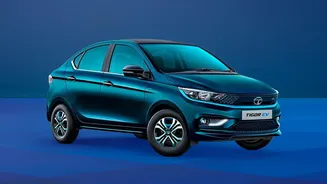
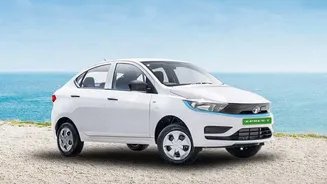
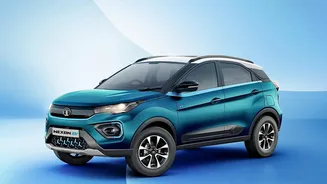
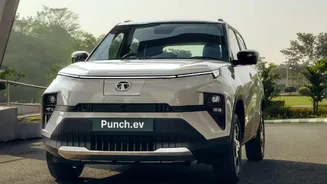
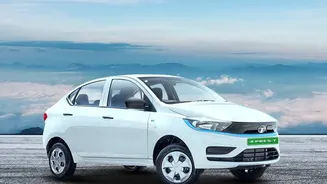
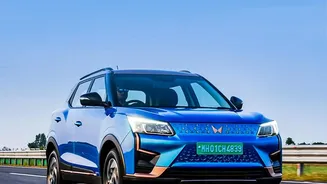
Domestic manufacturers are firmly in the driver's seat of this electric boom. Tata Motors continues its reign as the undisputed leader, accounting for over 40% of the market with 14,669 units sold in October 2026. The company's diverse portfolio, including popular models like the Nexon EV and Punch EV, has been instrumental in its success. Not far behind, Mahindra & Mahindra has solidified its second position, recording impressive 85.65% year-on-year growth with 8,538 units sold. Together, these two Indian giants command a dominant share of the EV market, demonstrating a successful transition towards electrification. Other players like JSW MG Motor India, Kia, and even newcomer VinFast are also making significant inroads, intensifying competition and offering consumers more choices than ever before.
What's Fuelling the Electric Surge?
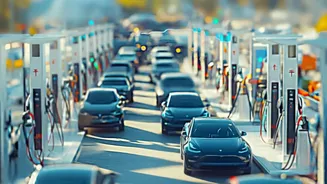
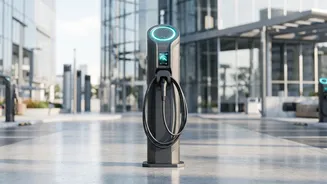
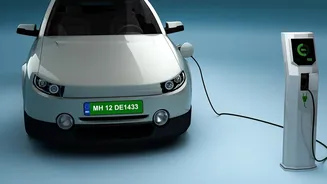
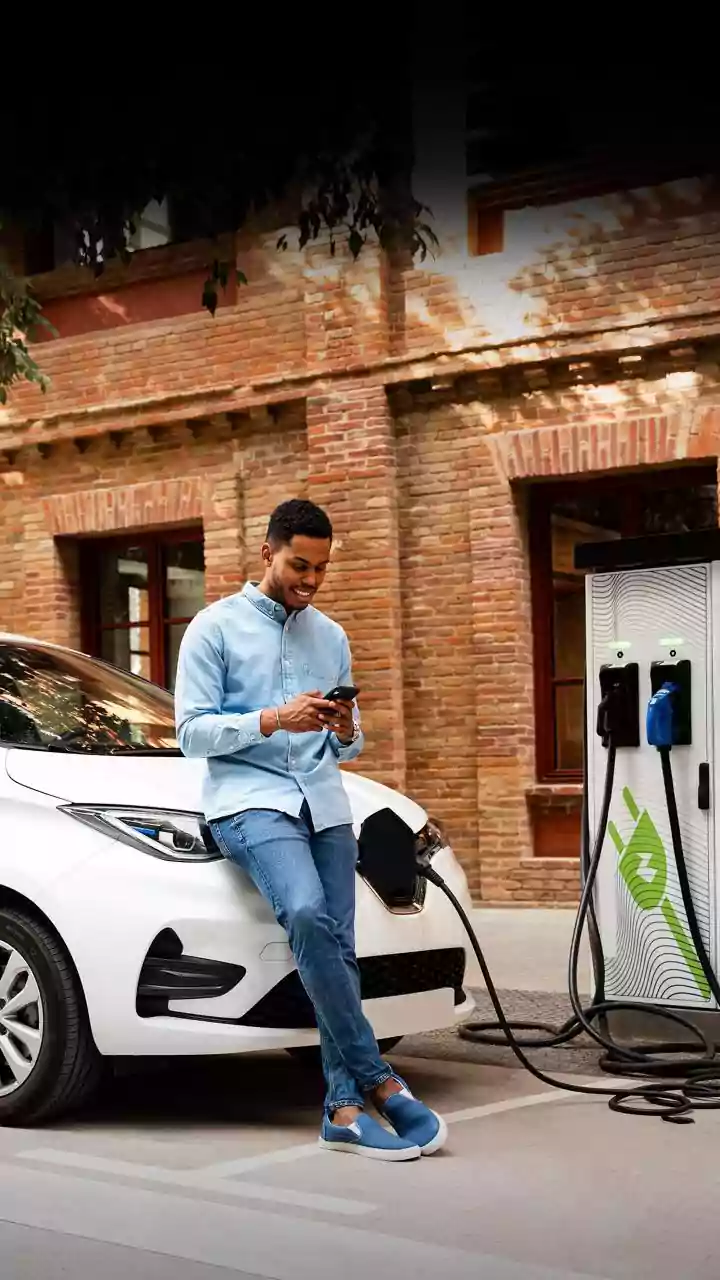
Several factors are converging to create this perfect storm for EV adoption in India. Government initiatives, such as the PM E-DRIVE scheme, have been crucial in providing subsidies and incentives that make EVs more affordable. Rising and volatile petrol and diesel prices have made the lower running costs of electric vehicles increasingly attractive to cost-conscious Indian consumers. Simultaneously, the ecosystem is maturing. The number of public charging stations is steadily increasing, with a significant number of them being fast chargers, which helps alleviate 'range anxiety'—the fear of running out of power. Carmakers are also launching a wider variety of models across different price points, moving beyond just premium offerings and catering to a broader audience.
The Road Ahead: Challenges and Opportunities
Despite the celebratory sales figures, the path to mass EV adoption is not without its bumps. The high upfront cost of electric cars remains a significant barrier for many potential buyers, even with subsidies. While the charging network is growing, it needs to expand much faster, especially in non-metro areas and along highways, to ensure seamless long-distance travel. Another challenge is India's reliance on imports for critical components like battery cells and semiconductors, which poses supply chain risks. However, the momentum is undeniable. The government is pushing for localization of manufacturing through various schemes, which will create jobs and make the supply chain more resilient. As battery technology improves and costs continue to fall, EVs are poised to become an even more compelling choice for Indian families and businesses.