



An Increasingly Unreliable Climate
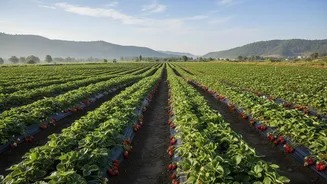
For generations, strawberry farmers, particularly in hubs like Mahabaleshwar, have relied on a predictable cool, dry winter season. But that predictability is fading. Climate change is bringing warmer winters, erratic rainfall, and sudden cold snaps.
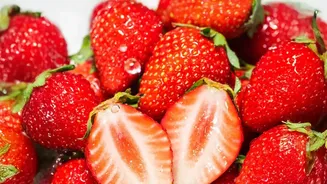
A study in the Mahabaleshwar-Panchgani region noted more frequent unseasonal rain and heat, leading to yield volatility. Strawberries are exceptionally sensitive; their flowering and fruiting cycles are finely tuned to a narrow temperature window, ideally between 15°C and 25°C. Extreme cold can 'burn' plants, while unseasonal rain during ripening can cause the fruit to rot and encourage fungal diseases like botrytis. These weather events not only reduce the quantity of the harvest but also impact quality, affecting the fruit's sweetness and shelf life.
A Shield Against the Elements
In response, a growing number of farmers are turning to 'protected cultivation'—a broad term for growing crops inside structures that shield them from the open environment. The most common methods for strawberries involve using polyhouses (or polytunnels), which are frames covered with polyethylene sheets. These structures act as a barrier against destructive rain, hail, and frost. By controlling the internal environment, farmers can moderate temperature swings, reduce humidity, and protect the delicate fruit just before harvest. This method extends the growing season, allowing for earlier or later harvests when open-field crops might fail, and drastically reduces the incidence of pests and diseases that thrive in damp, uncontrolled conditions.
The High Cost of Security
This shield, however, comes at a significant price. The initial investment for protected cultivation is substantial. A naturally ventilated polyhouse can cost anywhere from ₹25 to ₹50 lakhs per acre, with high-tech, fully automated systems costing even more. This includes the structure, UV-stabilised plastic sheeting, and often, advanced irrigation systems like drip lines and fertigation units that deliver water and nutrients directly to the plant roots. For many small and marginal farmers, who form the backbone of Indian agriculture, such an upfront cost is prohibitive without external support, creating a disparity between those who can afford to adapt and those who remain vulnerable to the weather's whims.
Reaping the Rewards
For those who can make the investment, the returns are compelling. Protected cultivation consistently leads to higher and more reliable yields—often 5 to 10 times greater than open-field farming. A global analysis found that marketable yields under tunnels were, on average, 34% higher than in open fields. The controlled environment produces better quality, more uniform fruit that fetches a premium price in the market. Furthermore, the efficient use of resources like water and fertiliser through drip systems reduces waste and operational costs over time. Farmers have reported net profits ranging from ₹10 lakh to over ₹20 lakh per acre from well-managed polyhouse operations, a significant increase over traditional methods.
A Glimpse into the Future
The move towards protected cultivation for high-value crops like strawberries is more than a temporary fix; it’s a vision of a more resilient Indian agriculture. Recognizing the high costs, central and state governments are offering support through schemes like the National Horticulture Mission (NHM) and National Horticulture Board (NHB), which can provide subsidies covering 40% to 75% of the setup cost. While this shift requires new skills and significant capital, it represents a crucial adaptation strategy. As climate volatility becomes the new normal, the lessons learned in strawberry fields—balancing technology, investment, and government support—may provide a blueprint for securing the future of other sensitive and valuable crops across the nation.