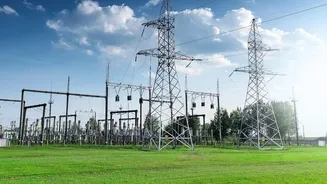










The Unprecedented Thirst for Power
India's ambition to become a global data centre hub is running headfirst into the physical limits of its energy infrastructure. The numbers are staggering. The country's data centre capacity is projected to surge from around 1.5 gigawatts (GW) in 2025
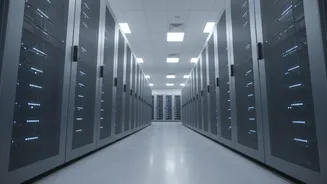
to as high as 9.5 GW by 2030. This explosive growth means the sector's electricity consumption could jump from less than 1% of India's total demand to around 3% by the end of the decade. This surge is largely driven by the adoption of artificial intelligence, which requires immense computational power. An AI-focused server rack can consume 10 to 15 times more power than a traditional one. A single large data centre can consume as much electricity as a small city or an industrial facility like an aluminum smelter. This relentless, 24/7 demand puts enormous strain on local power grids, which are often already struggling to meet existing needs.
Not Just Megawatts, but Quality and Green Watts
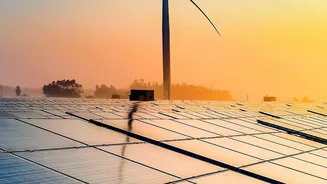
The challenge for data centre operators isn't just securing a massive quantity of electricity; it's about the quality and source of that power. These facilities have zero tolerance for interruptions. Even a momentary flicker can cause significant data loss and financial damage. This necessitates a 'zero-downtime' power supply with stable voltage and frequency, a standard that many regional grids in India struggle to consistently provide. Consequently, developers often face long delays—sometimes 18 to 36 months—just to get the necessary high-capacity grid connections. Furthermore, there is a growing global and corporate mandate for sustainability. Hyperscalers like Google and Amazon are committed to powering their operations with renewable energy. This means data centre projects are not just looking for power, but for reliable, round-the-clock (RTC) green energy, which requires a sophisticated mix of solar, wind, and battery storage solutions.
The State-Level Battle for Power Supremacy
With no single, overarching national policy governing energy for data centres, the competition has shifted to the state level. States are now using power policies as a primary tool to attract billions in investment. States like Gujarat, Uttar Pradesh, and Maharashtra are rolling out aggressive incentives, including long-term power tariff subsidies, exemptions on electricity duties, and reimbursements for grid connection costs. For instance, Gujarat's policy aims to attract ₹6 lakh crore in investment by offering a ₹1-per-unit power subsidy for 20 years, while Uttar Pradesh is offering significant interest and land subsidies alongside power concessions. Tamil Nadu is leveraging its competitive industrial power tariffs, which are significantly lower than in other regions. The availability of power, especially green power, is becoming the primary factor in site selection, eclipsing traditional considerations like land availability and fibre optic connectivity.
Challenges Beyond the Electrical Plug
While power is the most critical bottleneck, other infrastructure challenges loom large. Transmission upgrades have much longer development timelines than the data centres they need to support, creating potential bottlenecks and congestion. Another major concern is water. Modern data centres use vast amounts of water for cooling, with a 100 MW facility consuming millions of litres per day. This is a significant issue in major data centre hubs like Mumbai, Chennai, and Hyderabad, which already face water stress. The lack of a unified national framework also creates regulatory uncertainty, as developers must navigate a patchwork of different state-level rules on renewable energy, land acquisition, and environmental clearances. This fragmented approach complicates planning and can delay projects, even when capital is readily available.