






Why the Plank is a Powerhouse Exercise
The plank may look simple, but it’s one of the most effective exercises for overall fitness. It's an isometric exercise, meaning you hold one position to engage muscles. Planks are celebrated for building deep core strength, which includes your abs, obliques,
and lower back muscles. A strong core is the foundation for almost all movement, helping to improve posture, increase stability, and reduce the risk of back pain. Unlike crunches, which primarily work the rectus abdominis (the 'six-pack' muscles), planks engage a wider group of muscles simultaneously, including your shoulders, chest, glutes, and legs, making it a full-body workout you can do anywhere without any equipment.
Your Step-by-Step Guide to the Perfect Forearm Plank
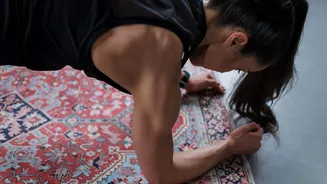
Getting the form right is more important than holding the pose for a long time, especially when you're starting out. A proper plank ensures you get the benefits without risking injury. Here’s how to do a basic forearm plank: 1. Start by lying on your stomach on the floor or a mat. 2. Place your forearms on the floor, with your elbows stacked directly under your shoulders and your hands either clasped or flat on the floor. 3. Lift your hips off the floor, engaging your core and glutes. Your body should form a straight line from your head to your heels. Avoid letting your hips sag or rise too high. 4. Keep your neck in a neutral position by looking at the floor a few inches in front of your hands. 5. Breathe steadily and hold the position. Remember to squeeze your core muscles throughout the hold.
Common Mistakes Beginners Make and How to Fix Them
Even seasoned gym-goers can make mistakes with their plank form. For beginners, being aware of these common errors is the first step toward correcting them. Sagging Hips: This is the most common mistake and it happens when the core gets tired. It puts stress on the lower back instead of working the abs. If you feel your hips dropping, end the plank, rest, and try again with a shorter hold time. Hips Too High: Raising your hips into a pike or downward-dog shape takes the load off your core, defeating the purpose of the exercise. Focus on keeping that straight line from head to heels. Holding Your Breath: Many people unconsciously hold their breath during a difficult exercise. This can raise your blood pressure and prevent your muscles from getting the oxygen they need. Breathe slowly and consistently. Looking Up or Cranking Your Neck: Tilting your head up or down can strain your neck. Keep your gaze on the floor to maintain a neutral spine.
Modifications for True Beginners
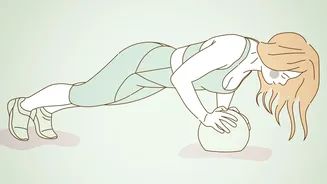
If a full plank feels too challenging right now, don't be discouraged. There are excellent modifications that help you build the necessary strength. The key is to start where you are and progress gradually. Knee Plank: This is the best starting point. Perform the plank as described above, but keep your knees on the ground. This reduces the amount of body weight you have to support, allowing you to focus on engaging your core correctly. Your body should still form a straight line from your head to your knees. Incline Plank: Use a sturdy wall, a sofa, or a bench to perform a plank at an angle. The higher the surface, the easier the exercise will be. Place your hands or forearms on the elevated surface and walk your feet back until your body is in a straight, diagonal line. As you get stronger, you can use lower surfaces to increase the challenge.
Starting Your Own 29-Day Challenge
Inspired by Saina Nehwal's 29-day challenge? You can create your own beginner-friendly version. The goal isn't to hold a plank for several minutes on day one, but to build consistency and gradually increase your time. Week 1: Start with a knee or incline plank. Aim for three sets of 15-20 second holds each day, with a 30-second rest in between. Week 2: Increase your hold time to 30 seconds per set. If you feel ready, try moving from a knee plank to a full forearm plank for one of your sets. Week 3: Aim for 45-second holds. By now, you should feel your core getting stronger and your form more stable. Week 4 & Beyond: Try to hold a full plank for one minute. Once you can comfortably hold a one-minute plank, you can explore other variations like side planks or leg-lift planks to keep challenging your muscles.