






The Invisible Dangers in Floodwater
Floodwater is not simply excess rainwater. It is often a mix of raw sewage, agricultural runoff, industrial chemicals, and waste from overflowing drains. This contaminated water can carry a host of dangerous pathogens, including bacteria like E. coli,
Salmonella, and Listeria, as well as viruses such as norovirus and hepatitis A. It can also contain heavy metals and other chemical pollutants. These contaminants pose a serious risk for foodborne illnesses, which can cause symptoms ranging from gastrointestinal distress to severe and life-threatening conditions, especially for children, the elderly, and those with weakened immune systems.
Why Simply Washing Is Not Enough
A common belief is that a thorough wash can make contaminated vegetables safe. This is a dangerous misconception. Many pathogens can cling to the surfaces of produce, hiding in tiny crevices that are impossible to clean. More importantly, contaminants don't just sit on the surface. Studies show that pathogens and chemicals can be absorbed directly into the plant's tissues, making them an integral part of the vegetable itself. Once inside, no amount of scrubbing, peeling, or even cooking can guarantee the food is safe to eat. The U.S. Food and Drug Administration (FDA) considers such produce 'adulterated' and unfit for consumption for this very reason.
Leafy Greens and Soft Produce: The Highest Risk
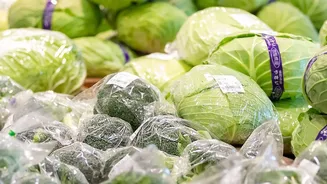
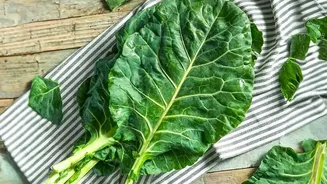
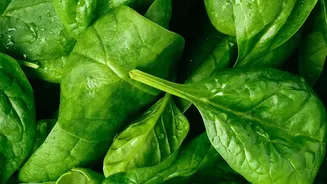
While all produce that touches floodwater should be discarded, some types are exceptionally risky. Leafy greens like spinach, lettuce, and cabbage have large surface areas with many folds and ridges, making them virtually impossible to decontaminate. Similarly, soft-skinned fruits and vegetables such as tomatoes, berries, and squash can easily absorb contaminants through their porous skins. Even hard-rinded produce like melons and pumpkins are not safe, as pathogens can enter through the rind and contaminate the flesh inside. Root vegetables like carrots and potatoes are also compromised, as they grow in soil that becomes saturated with the toxic water.
How to Spot Contaminated Produce
When shopping for fresh vegetables after a period of flooding, be extra vigilant. While you can't see microscopic bacteria, there are sometimes visible tell-tale signs of contamination. Look for a thin layer of silt or dirt, unusual discolouration, or bruising. The produce might also feel soft or wilted when it shouldn't. Trust your senses; if a vegetable has an unusual or foul odour, do not buy it. It's wise to ask market vendors about the source of their produce, especially if you know certain agricultural areas have been affected by flooding. When in doubt, it is always safest to err on the side of caution and skip the purchase.
Advice for Home Gardeners
If your own kitchen garden has been flooded, the advice is unequivocal: discard any edible produce that came into direct contact with the floodwater. This applies even if the food wasn't fully submerged, as splashing can also cause contamination. For plants that survive, any new fruits or vegetables that develop after the floodwaters have completely receded are generally considered safe to eat, though it's best to wait at least a month. However, be aware that the soil itself may remain contaminated for a long time, and you should wait at least 30 to 60 days before replanting in affected areas.