




A Journey into History
More than just a mode of transport, the Darjeeling Himalayan Railway (DHR), affectionately known as the 'Toy Train', is a living piece of history. Built between 1879 and 1881, this narrow-gauge railway was a marvel of its time, designed to connect the tea-growing
hills of Darjeeling with the plains below. Its ingenuity and historical significance were recognised in 1999 when it was declared a UNESCO World Heritage Site, a testament to its role in the social and economic development of the region. The full 88-kilometre journey from New Jalpaiguri (NJP) to Darjeeling takes around seven to eight hours, a deliberate, winding ascent that prioritises experience over expediency.
An Engineering Marvel on Two-Foot Tracks
The railway's construction is a story of overcoming immense geographical challenges. To conquer the steep Himalayan gradients, engineers laid down a track just two feet wide, employing a series of ingenious loops and zig-zags (reverses) to gain altitude. The most famous of these is the Batasia Loop, located just after Ghum station. Commissioned in 1919, this spectacular spiral allows the train to gracefully handle a steep descent of about 140 feet. As the train circles the loop, which also houses a memorial to Gorkha soldiers, passengers are treated to a stunning 360-degree panoramic view of Darjeeling town with the mighty Kanchenjunga range in the background on clear days.
From Subtropical Plains to Alpine Heights
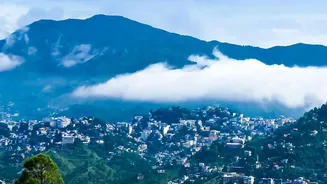
The journey begins in the humid, bustling plains of New Jalpaiguri, climbing from just over 100 meters above sea level. The landscape transforms almost immediately after leaving the urban sprawl of Siliguri. The train passes through the dense forests of the Mahananda Wildlife Sanctuary near Sukna, where the real ascent begins. Soon, the tracks are flanked by the iconic, manicured tea gardens that Darjeeling is famous for. It chugs through charming towns like Kurseong, a hill station in its own right, and Sonada, offering glimpses of local life, bustling markets, and monasteries. The air grows cooler and crisper as the train climbs towards Ghum, which, at an altitude of 2,258 meters (7,407 feet), is India's highest railway station.
Steam Nostalgia vs. Diesel Power
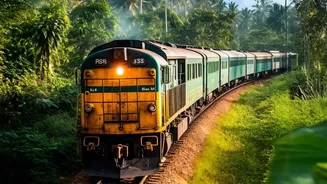
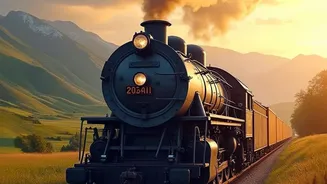
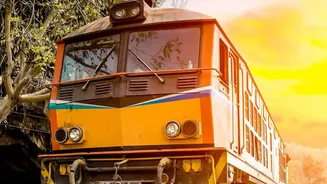
The DHR operates both vintage steam locomotives and more modern diesel engines. The full journey from NJP to Darjeeling is typically handled by diesel locomotives for efficiency, completing the trip in about seven hours. However, for tourists seeking the classic, romantic experience, the railway operates steam-hauled 'Joy Rides'. These shorter round trips, most famously from Darjeeling to Ghum and back, allow visitors to experience the sights, sounds, and smells of a traditional steam engine puffing its way through the mountains. While the diesel journey offers the full geographical experience, the steam-powered rides provide a concentrated dose of heritage and nostalgia, complete with authentic, soot-flecked charm.
A Timeless Experience
In an age of high-speed travel, the Darjeeling Toy Train is a beautiful anachronism. It forces you to slow down. The train runs so close to the Hill Cart Road that it feels like a part of the villages it passes through; children wave, and shopkeepers go about their business just feet from the tracks. It’s a journey that connects you not just to a destination, but to a landscape and a history. American author Mark Twain, after riding the train in 1896, called it "the most enjoyable day I have spent on earth." Over a century later, his words still resonate. The DHR isn't the fastest way to get to Darjeeling—a taxi is much quicker—but it remains, without a doubt, the most memorable.