





The All-Natural Illusion
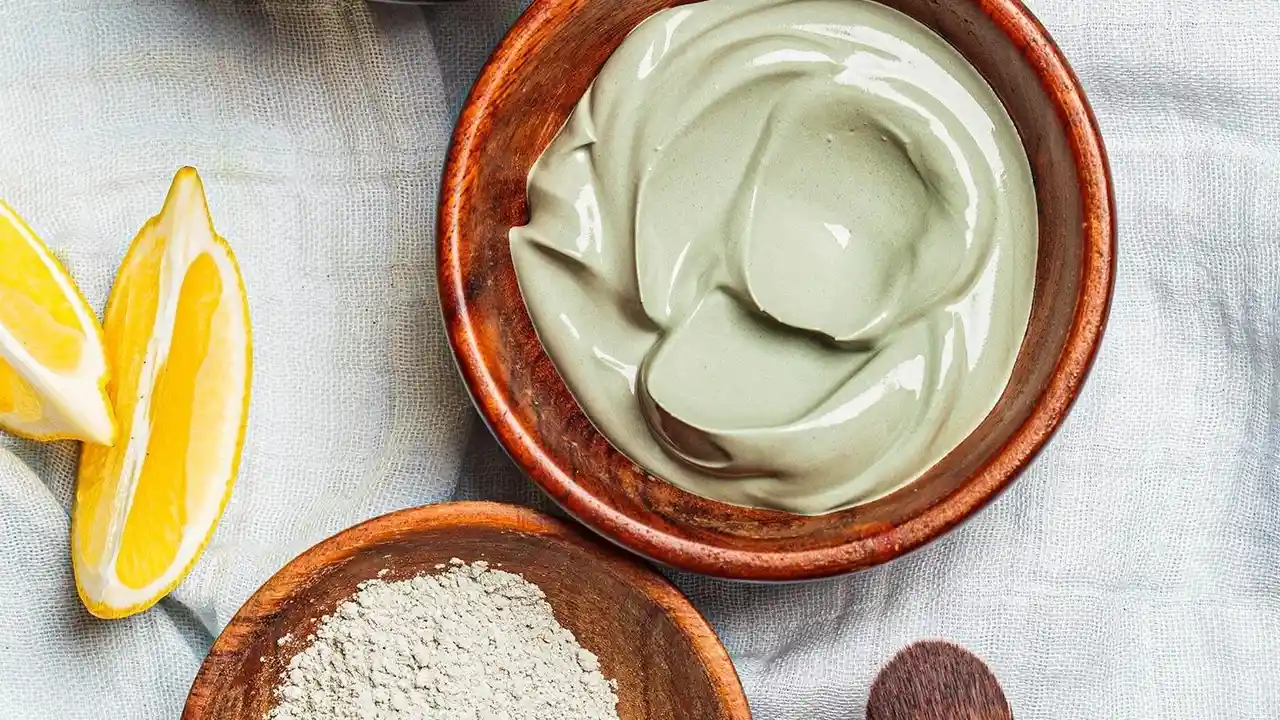
The trend of creating homemade face masks from pantry staples is built on a tempting idea: if an ingredient is natural and safe to eat, it must be good for your skin. This leads many to believe that combining a multitude of beneficial foods—like avocado,
honey, turmeric, and lemon—will create a super-mask packed with vitamins and antioxidants. The logic seems sound, but the reality of skin science is far more complex. Just because ingredients are healthy to ingest doesn't mean they're safe or effective when applied topically, especially when mixed together without an understanding of their chemical properties.
When Good Ingredients Clash
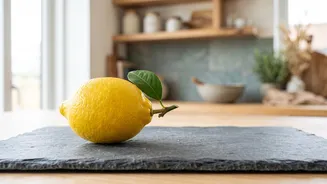
One of the biggest risks of multi-ingredient DIY masks is the potential for negative chemical reactions. Many common kitchen ingredients have properties that can clash, causing skin irritation or negating any potential benefits. A classic example is mixing acidic ingredients like lemon juice with alkaline ones like baking soda. Lemon juice is highly acidic, while baking soda is alkaline, and this combination can severely disrupt your skin's natural pH balance. This disruption can compromise the skin's protective barrier, leading to dryness, redness, and increased sensitivity.
The Problem with Skin's pH
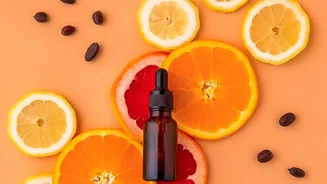
Healthy skin maintains a slightly acidic pH, typically around 4.7 to 5.5, which is crucial for its protective barrier function. This 'acid mantle' helps keep moisture in and harmful bacteria out. When you apply a cocktail of kitchen ingredients, you're likely creating a concoction with a pH level that is far too high or low for your face. For instance, the high acidity of citrus can cause irritation and even a type of chemical burn when exposed to sunlight, a condition known as phytophotodermatitis. Conversely, highly alkaline mixtures can strip the skin of its natural oils, leaving it vulnerable and dry.
Not Everything Can Be Absorbed
Another common misconception is that all the nutrients in food can be absorbed through the skin. The skin is designed to be a barrier, protecting your body from the outside world. While some molecules are small enough to penetrate, many of the beneficial vitamins and antioxidants in foods are too large to be absorbed topically. Professional skincare products are formulated by cosmetic chemists who use specific delivery systems and ingredients of a certain molecular size to ensure they can penetrate the skin effectively. Simply mashing a banana or grinding cocoa powder doesn't guarantee your skin will reap the rewards.
The Risk of Contamination and Spoilage
Unlike professionally formulated products that contain preservatives to ensure stability and safety, homemade masks are highly perishable. Without preservatives, fresh ingredients can quickly become a breeding ground for bacteria and mold, especially any recipe that contains water. Applying a contaminated mixture to your face can lead to breakouts, rashes, or even infections. While making a single-use mask mitigates some risk, it highlights the instability of these natural concoctions.
Simple, Safe and Effective Alternatives
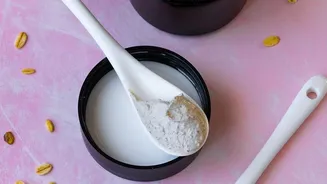
The key to a successful DIY face mask is simplicity. Instead of a complex mixture, focus on one or two ingredients known to be gentle and effective. Colloidal oatmeal is renowned for its soothing, anti-inflammatory properties. Raw honey, particularly Manuka, has natural antibacterial and moisturizing qualities. Plain yogurt contains lactic acid for gentle exfoliation. Cooled green tea can help reduce puffiness and redness. These simple ingredients are less likely to cause irritation and have a proven track record of being beneficial when used correctly. Always remember to patch-test any new ingredient on a small area of skin first.