

The Allure of DIY Sun Protection
For those with oily or acne-prone skin, the daily struggle with sunscreen is real. Commercial options can feel suffocating, leave a white cast, or trigger breakouts, pushing many towards the perceived purity of do-it-yourself solutions. Social media is filled
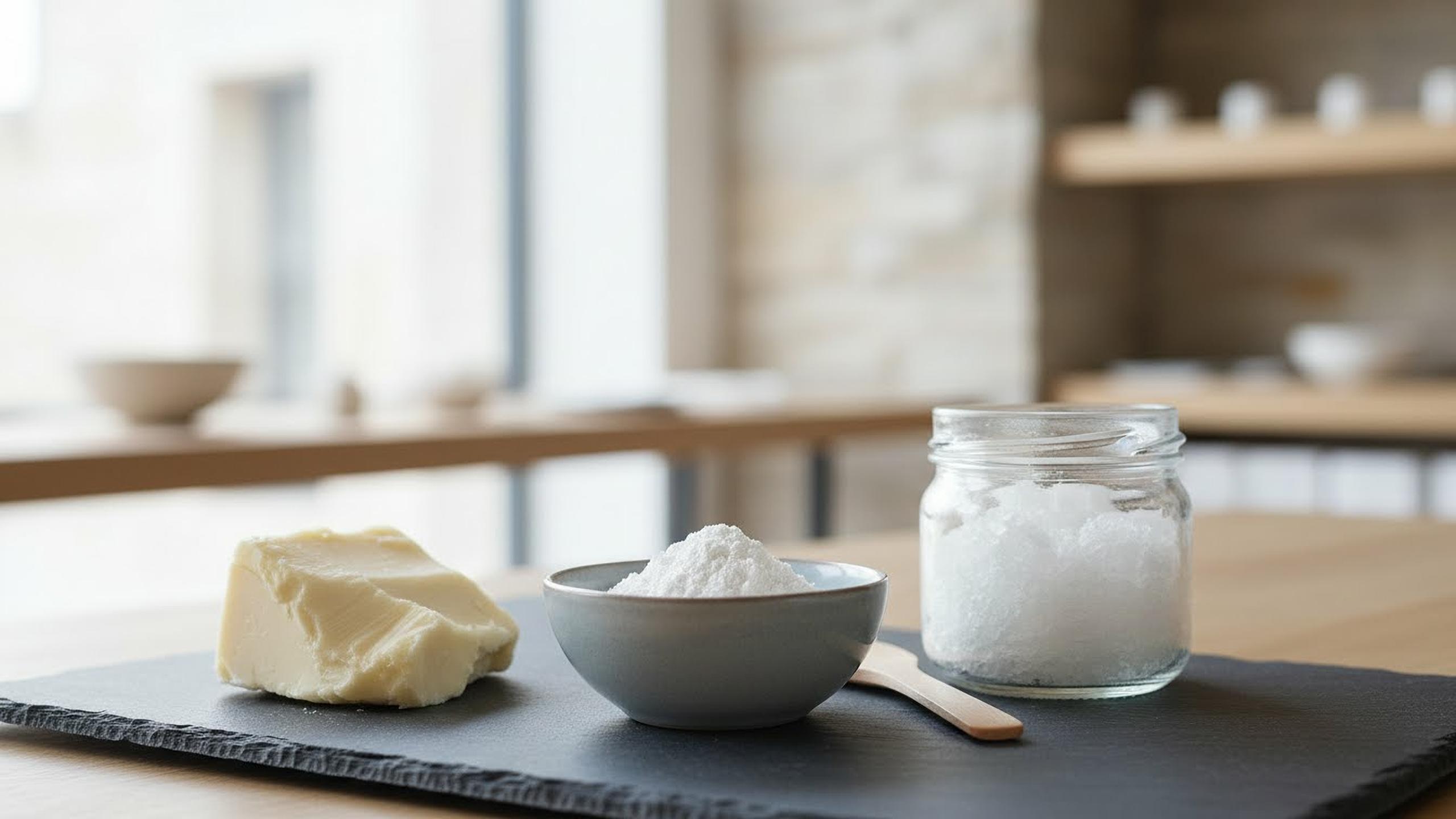
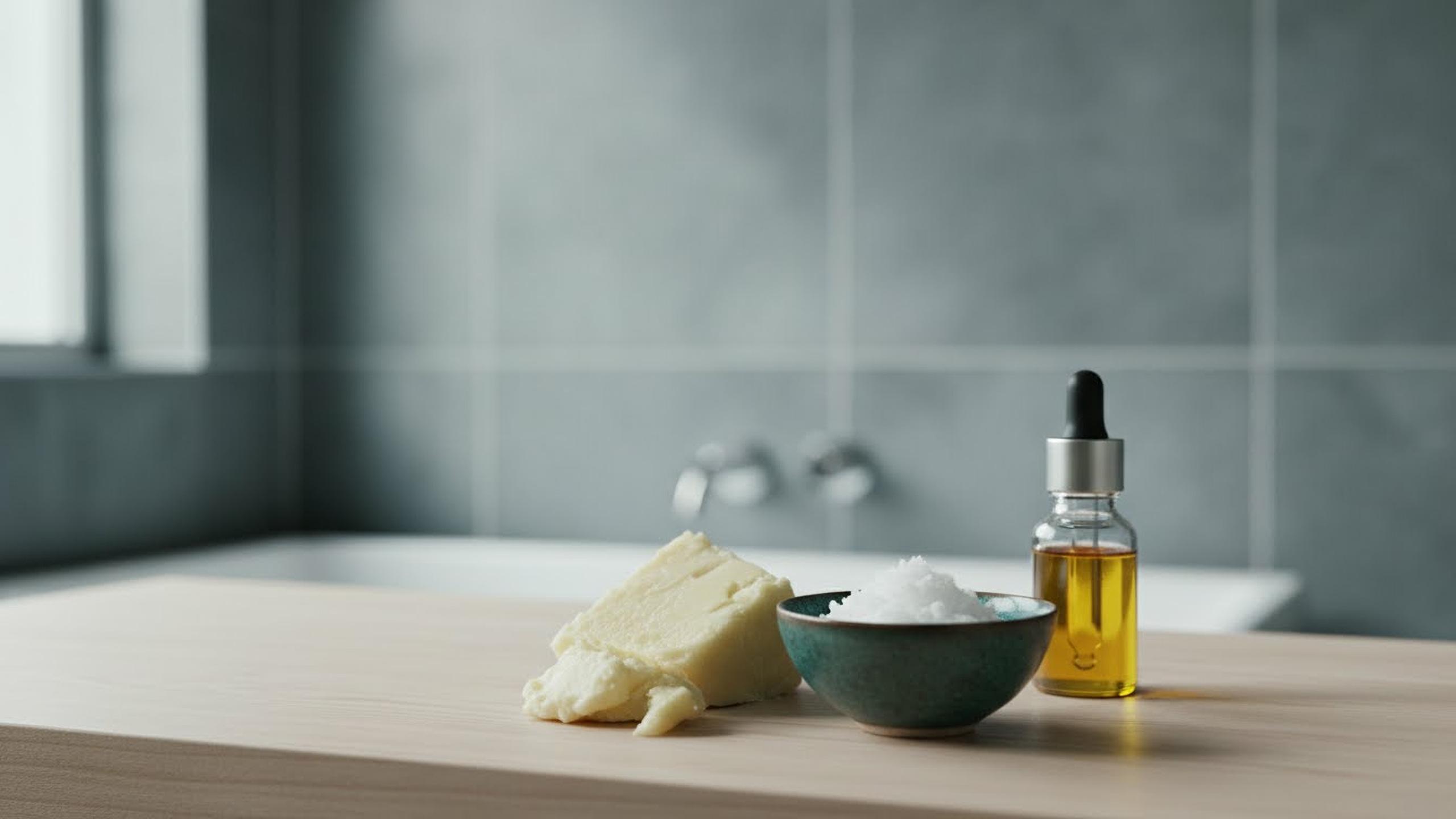
with recipes promising effective sun protection using simple, 'natural' ingredients like coconut oil, shea butter, and essential oils. The appeal is understandable: control over ingredients, avoidance of synthetic chemicals, and the hope of creating a lightweight formula that won’t clog pores. This trend taps into a desire for cleaner, simpler skincare, but the reality of sun protection is far more complex than mixing ingredients in a kitchen.
The Hard Truth: Why Experts Say No
The expert consensus on homemade sunscreen is clear and unanimous: don't do it. The American Academy of Dermatology, the Skin Cancer Foundation, and dermatologists worldwide warn that DIY sunscreens are not proven to be effective and can be dangerous. Commercial sunscreens are regulated as drugs and undergo rigorous testing to guarantee their Sun Protection Factor (SPF), ensure they provide broad-spectrum protection against both UVA and UVB rays, and confirm their water resistance. A homemade concoction has none of these guarantees. It's impossible to know the actual SPF of a DIY mixture, and ingredients can separate or degrade, leaving your skin completely exposed to harmful UV radiation which can lead to sunburn, premature aging, and an increased risk of skin cancer.
The Myth of 'Protective' Natural Oils
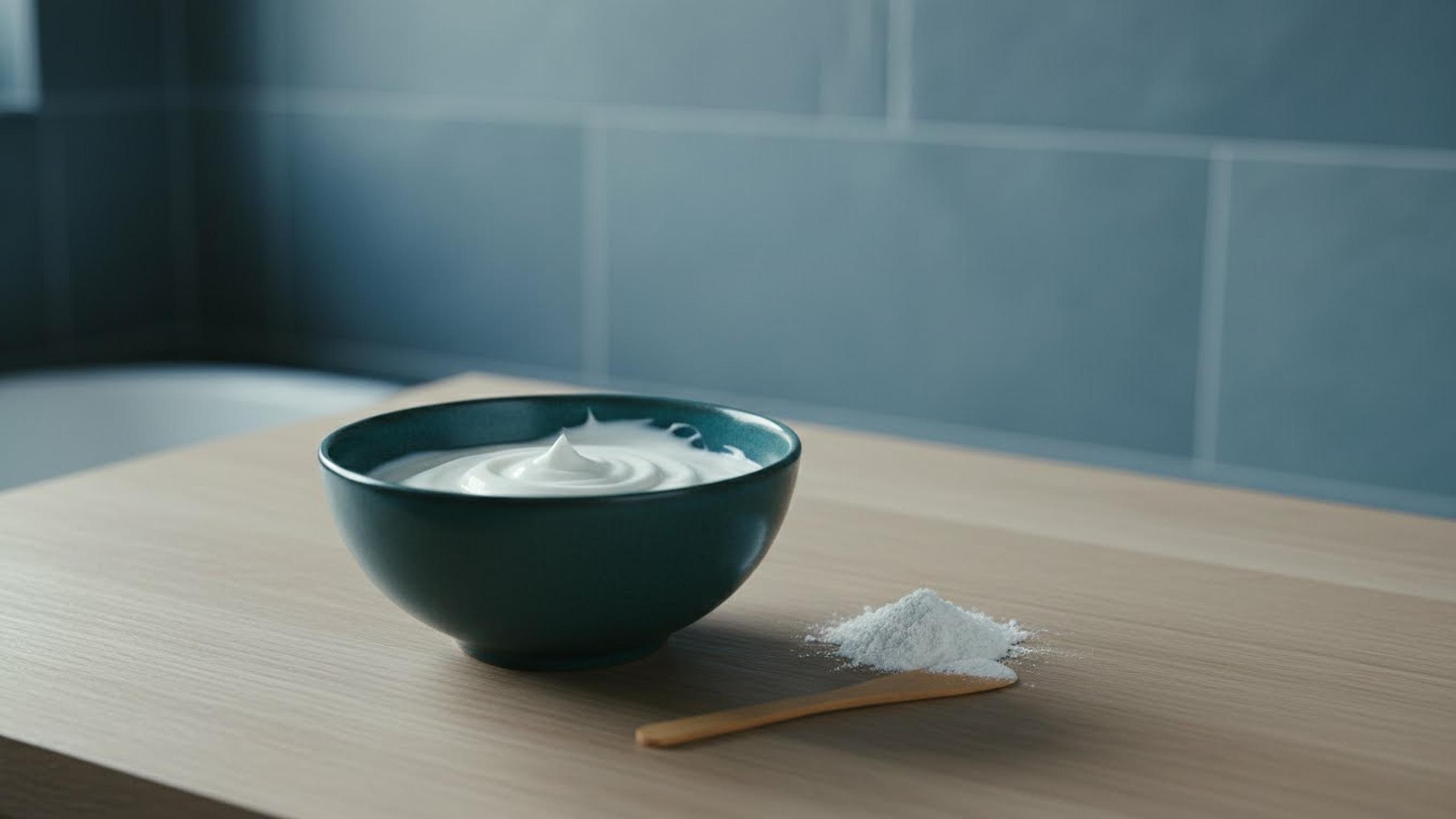
Many online recipes claim that certain plant-based oils, like raspberry seed or carrot seed oil, have inherent SPF properties. While some studies may show these oils have a minimal ability to absorb UV light, their protective capability is negligible and nowhere near the minimum SPF 30 recommended by dermatologists. Even zinc oxide, a legitimate mineral UV filter found in many commercial sunscreens, cannot be safely formulated at home. For zinc oxide to be effective, its particles must be evenly and stably suspended throughout the entire product. This requires specialized laboratory equipment to achieve a proper emulsion; simply stirring the powder into an oil will result in an uneven mixture with dangerously unpredictable protection.
The Real Solution: Choosing the Right Sunscreen
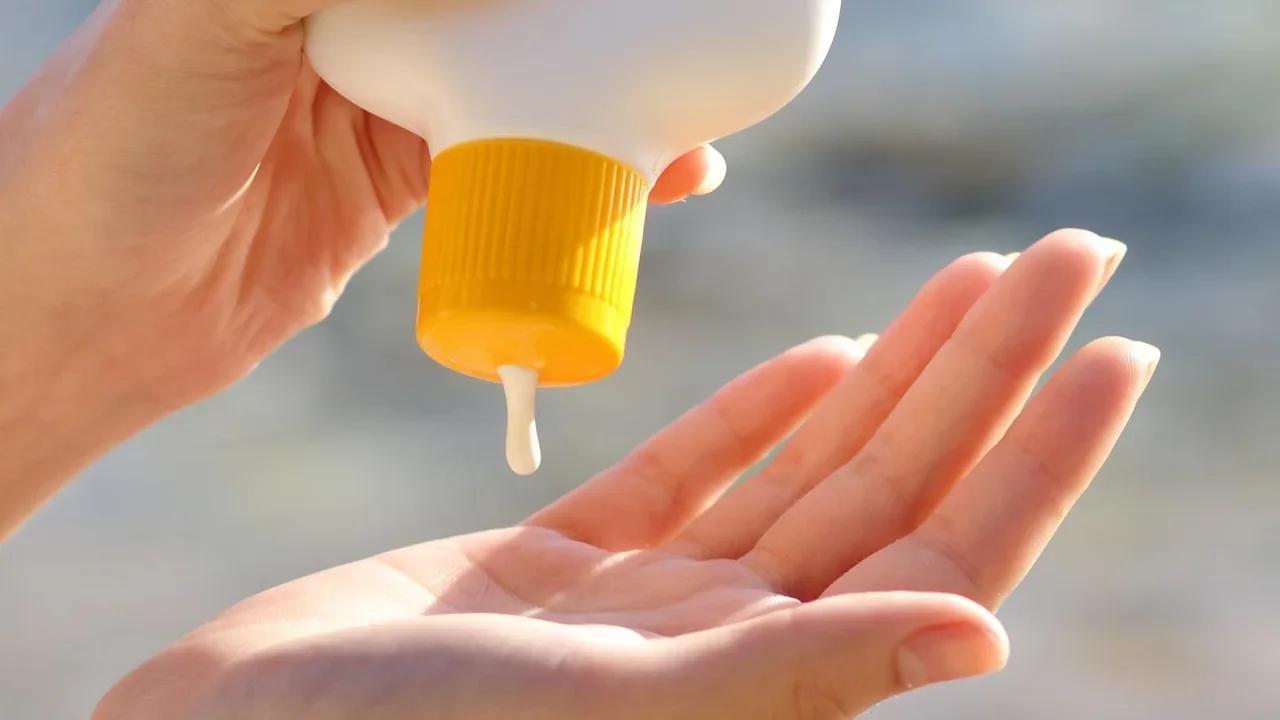
The good news is you don't need to risk a DIY disaster to find a sunscreen that works for your oily skin. The key is knowing what to look for. Seek out products labeled "oil-free" and "non-comedogenic," which means they are specifically formulated not to clog pores. The texture is also crucial. Instead of heavy creams, opt for lightweight gels, fluids, lotions, or even powder sunscreens that absorb quickly and leave a matte finish. Mineral sunscreens, also known as physical sunscreens, are often a great choice for oily and acne-prone skin. They use active ingredients like zinc oxide and titanium dioxide that sit on top of the skin to block UV rays and can also help absorb excess oil.
Ingredients That Help, Not Hurt
Modern sunscreen formulas often include beneficial ingredients that do more than just protect from the sun. Look for sunscreens containing niacinamide, which can help regulate oil production, calm redness, and minimize the appearance of pores. Another helpful ingredient is silica, which is a mineral that helps absorb excess oil and reduce shine throughout the day. Lightweight hydrators like hyaluronic acid can also be beneficial, as they provide moisture without adding oil, preventing the skin from overproducing sebum to compensate for dryness. By focusing on these powerhouse ingredients, you can find a sunscreen that not only protects your skin but actively improves its condition.