




The Monsoon Menu Dilemma
The minute the sky turns grey, a craving switches on across India. The air, thick with the smell of wet earth, suddenly carries the irresistible aroma of something frying. It’s the season of pakoras, samosas, and bhutta, a time when culinary celebrations
come alive on the streets. Food festivals, whether formal or informal, present a dazzling, almost overwhelming, array of choices. You’re greeted by rows of vendors selling everything from Delhi's pakoras and Ram ladoos to Mumbai’s vada pav and Kolkata’s telebhaja. Your eyes want everything: the spicy potato fritter in a soft pav, the flaky pyaaz kachori, the smoky roasted corn rubbed with lemon and masala. The dilemma is universal. With limited appetite and a desire to taste it all, how do you navigate this delicious chaos? You could stick to one favourite and risk missing out, or over-indulge in the first two items and feel too full to continue. It’s a classic case of sensory overload that can lead to decision fatigue and, sometimes, regret.
Introducing the Shared-Plate Strategy
This is where a simple, yet revolutionary, approach comes in: the shared-plate strategy. This isn't just about splitting the cost. It’s a conscious decision made by a group to collaboratively curate their own tasting menu. Instead of each person ordering their own plate of a single item, the group orders a variety of dishes with the explicit intent of communal sharing. One person gets the mirchi bada, another orders the aloo tikki, a third picks up some sweet jalebis, and everyone gets a taste of each. It transforms the experience from a series of individual meals into a collective culinary adventure. This approach is already intuitive in Indian dining culture, where sharing food from a central spread is common. Applying this mindset to a bustling food festival, however, requires a little coordination but yields immense rewards.
More Flavours, Less Regret
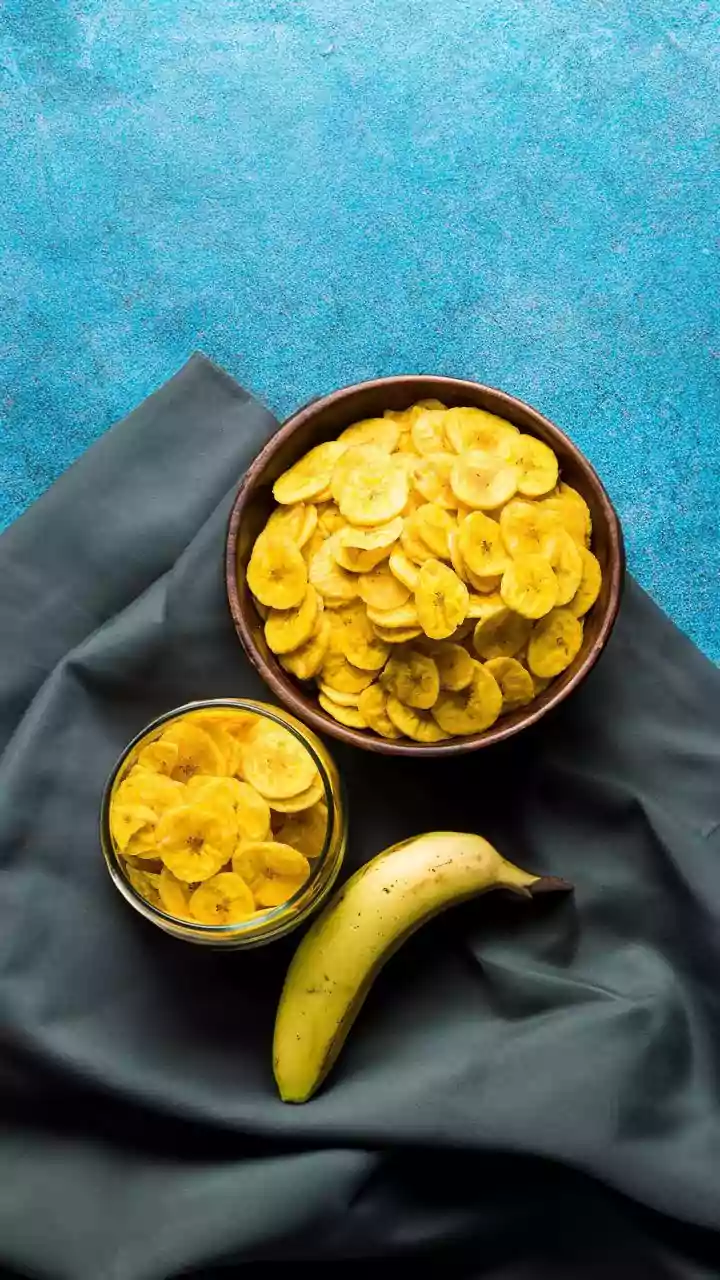
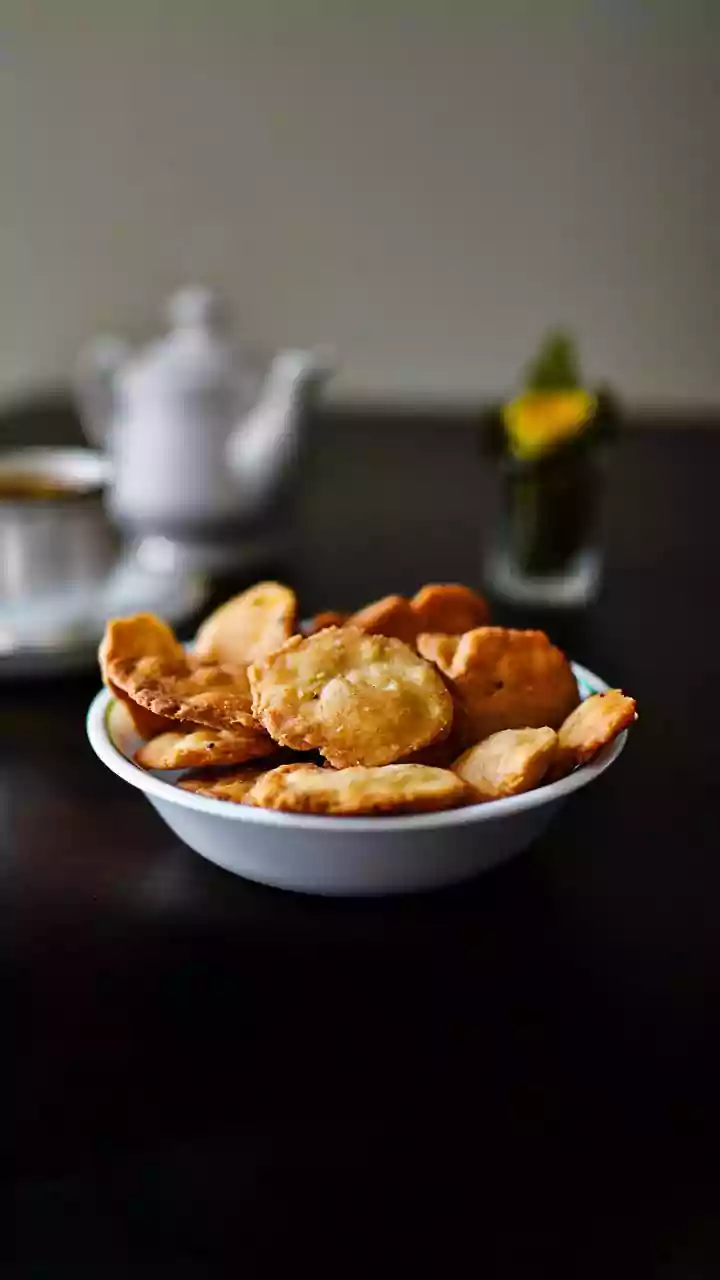
The most immediate benefit of this strategy is variety. Instead of committing to a full plate of kanda bhaji, you can have two pieces and still have room to sample the parippu vada, the medu vada, and the crispy banana chips that another friend bought. This allows you to experience a broader spectrum of flavours and textures—the crunch of a murukku, the softness of a bonda, the flakiness of a kachori. This method is also more economical and reduces waste. You are less likely to be left with half-eaten plates or feel compelled to finish a large portion out of guilt. Everyone contributes a small amount to a wider pool of food, ensuring that each rupee spent delivers a new taste. It’s a smarter, more sustainable way to indulge, maximising enjoyment while minimising the inevitable post-feast slump and food waste.
A Taste of Togetherness
Beyond the practical advantages, the shared-plate strategy enhances the social and emotional core of the monsoon food experience. Sharing food is a powerful act of connection and a universal language of community. When you pass around a plate of hot pakoras under the shelter of an awning while rain drums overhead, you’re doing more than just eating; you’re creating a shared memory. This ritual of preparing and sharing food fosters a sense of togetherness that is deeply ingrained in Indian culture. Conversations flow more easily, bonds are strengthened, and the meal becomes an interactive, dynamic event. It transforms eating from a solitary act of consumption into a communal celebration, which is the very spirit of a festival. Sharing a meal builds trust and nurtures a sense of belonging, reinforcing the idea that we are part of a larger human family.
Your Monsoon Tasting Menu
So, how do you put this into practice? On your next rainy-day outing with friends or family, think like a food curator. Start with a classic: a mixed plate of pakoras—onion, potato, and paneer—paired with a spicy green chutney. For the next round, designate someone to fetch a plate of vada pav from Mumbai or perhaps some khara kadubu from Karnataka. Follow this with something smoky and simple, like a bhutta roasted over coals and seasoned with spices. To cleanse the palate and add a touch of sweetness, bring in some hot, syrupy jalebis or ghewar. And, of course, none of this is complete without the drink that ties it all together: a round of steaming, ginger-infused masala chai served in earthy kulhads. By planning your culinary attack, you ensure everyone gets a diverse and satisfying experience, turning a simple snack run into an unforgettable feast.