




Your Body's Sixth Sense
Coordination is the ability to use your senses together with your body parts to perform movements smoothly and accurately. It’s more than just being athletic; it’s a fundamental part of how we navigate the world safely. This skill relies on a constant
dialogue between your brain and body, a sense known as proprioception. Think of proprioception as your body's internal GPS—it’s how your brain knows where your limbs are in space without you having to look. This allows you to perform countless daily actions without conscious thought, from bringing a cup to your lips to walking on an uneven path. When this system works well, your movements are fluid and efficient.
The Brain-Boosting Benefits of Better Balance
Challenging your coordination does more than just prevent stumbles; it actively benefits your brain and overall health. For older adults, coordination training can significantly reduce the risk of falls, a leading cause of injury. But the advantages are for everyone. These exercises strengthen the neural pathways responsible for motor control, enhancing your body's ability to react and adjust. Simple activities that challenge your balance and coordination force your core muscles to engage, improving stability. This kind of training is also linked to better cognitive function, as it requires focus and stimulates the brain to process sensory information and execute precise movements.
Exercise 1: The Simple Toe Tap
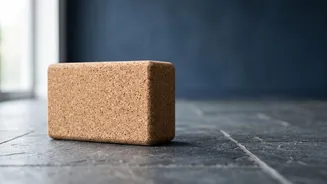
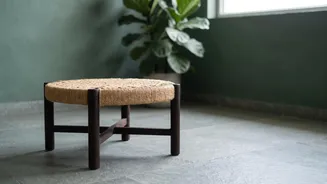
The toe tap is a foundational exercise that is as simple as it sounds. You can do it while seated or standing. While sitting in a chair, simply alternate tapping your right and left toes on the floor. Focus on making the movement crisp and controlled. To increase the challenge, try tapping your toes on a slightly raised object like a small stool or book. This simple motion helps improve circulation, enhances foot-handling skills, and begins to build that crucial mind-muscle connection. You can also do this standing, which adds a balance component to the exercise.
Exercise 2: Heel-to-Toe Walk
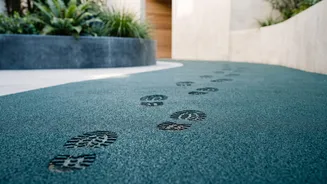
This exercise is a classic for a reason. It directly challenges your balance and coordination. To perform it, walk in a straight line by placing the heel of one foot directly in front of the toes of the other, as if you were walking on a tightrope. Keep your eyes focused on a point in front of you to help maintain your balance. Your arms can be out to your sides for added stability. This movement forces your body to make constant, small adjustments to stay upright, strengthening the muscles in your legs and core while refining your sense of balance. Try to go for 10-20 steps forward, then turn around and repeat.
Exercise 3: Single-Leg Stance
Standing on one foot is one of the most effective and straightforward ways to improve balance. Begin by standing near a wall or chair for support. Lift one foot off the ground, bending your knee slightly. Try to hold this position for 10 to 30 seconds. As you get more comfortable, increase the challenge by closing your eyes for a few seconds or by performing small movements with your raised leg. This exercise powerfully engages the stabilizing muscles in your standing leg and ankle, and it significantly enhances your proprioception by forcing your brain to rely on signals from your joints and muscles rather than just your vision.
Making It a Daily Habit
The beauty of these exercises is their accessibility. You don't need a gym membership or any special equipment. The key to seeing improvement is consistency. Try incorporating these movements into your daily routine. Practice single-leg stances while brushing your teeth or waiting for your tea to brew. Do some heel-to-toe walks down a hallway. You can perform seated toe taps while watching television or working at a desk. By weaving these small activities into moments you already have, you can build stronger coordination and balance without having to set aside extra time in your day.