








A Regulatory Shock to E-Commerce Giants
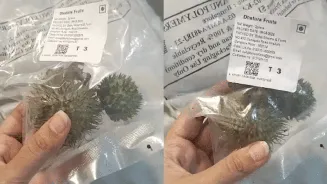
In a significant move, Karnataka's Food Safety and Drugs Administration Department suspended the food licences of Amazon, Swiggy Instamart, and BigBasket. This action was taken after officials discovered that poisonous Datura fruits and seeds were being
sold on these platforms, sometimes even bearing FSSAI (Food Safety and Standards Authority of India) registration numbers and listed for human consumption. The department has ordered the companies to immediately remove all listings and advertisements for Datura, halting their sale and distribution as food items until further notice. The action wasn't limited to the platforms; the food licences of the suppliers and sellers providing these toxic products to the e-commerce sites have also been suspended.
What is Datura and Why is it Dangerous?
Datura, known by names like Dhatura, Thorn Apple, or Devil's Trumpet, is a plant with a notorious reputation. All parts of the plant, especially its seeds and flowers, contain potent tropane alkaloids like atropine, scopolamine, and hyoscyamine. These substances are neurotoxins that can cause a severe condition known as anticholinergic syndrome. Symptoms of Datura poisoning are alarming and can include confusion, hallucinations, delirium, rapid heart rate, high fever, and blurred vision. Ingesting the seeds, which can be mistaken for harmless grains, can lead to respiratory failure, coma, and even death. The toxicity is not diminished by standard processing, making any consumption extremely hazardous. While it has a history of use in traditional medicine and religious rituals, its sale for human consumption is impermissible and poses a grave public health risk.
The Platform Accountability Question
This incident has reignited the debate over the responsibility of online marketplaces for the products sold by third-party vendors. During the inquiry, the responses from the e-commerce giants varied. According to reports, Amazon did not submit a response to the initial notice. Swiggy Instamart requested more time to provide documentation on the actions it had taken. BigBasket stated that it had already stopped the sale of Datura and would update product labelling in the future to clearly state "Not for human consumption." However, the regulatory body found these responses unsatisfactory, underscoring the lethal potential of the product being sold. The case highlights a critical gap: how do poisonous items get listed, sometimes with official-looking credentials, on platforms used by millions daily?
Cracks in the Digital Marketplace
The sale of Datura seeds exposes the immense challenge of monitoring the millions of listings across various e-commerce platforms. For many agricultural products, including seeds, sellers are required to have specific licences to operate. E-commerce platforms often have policies requiring sellers to adhere to all applicable laws and may require documentation before a seller is approved. However, the appearance of toxic products like Datura, listed for consumption and even stored in warehouses for quick delivery, suggests that these verification processes can be bypassed or are not robust enough. This raises serious questions about the due diligence performed by these platforms in vetting sellers and ensuring product safety, especially when the items are intended for consumption.