



One Species Becomes Four
For decades, scientists have classified the gentoo penguin as a single species, Pygoscelis papua, found across the Antarctic Peninsula and various sub-Antarctic islands. While some regional variations were noted, they were considered mere subspecies.
However, a landmark study has turned that assumption on its head. An international team of researchers using whole-genome sequencing has provided compelling evidence that the gentoo is not one species, but a complex of four distinct ones. This reclassification marks the most significant shake-up in the penguin world in decades and was the result of a consensus among experts who had long debated the gentoo's classification.
Introducing the Kerguelen Penguin
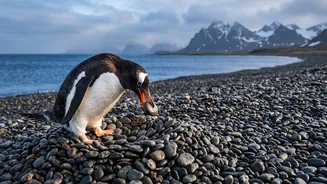
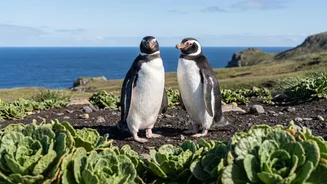
At the heart of this discovery is the newly named southeastern gentoo, Pygoscelis kerguelensis, or the Kerguelen penguin. It lives on the incredibly remote Kerguelen Islands in the southern Indian Ocean, also known as the Desolation Islands. This population was hidden in plain sight. To the naked eye, it looks almost identical to other gentoos, with its classic black-and-white plumage and bright orange bill. However, genetic analysis revealed it is a 'cryptic species'—an animal that is physically very similar to its relatives but is genetically distinct. Subtle differences in its size and vocalisations also set it apart. Its isolation on islands nearly 2,000 miles from any permanent human settlement allowed it to evolve on a separate path for hundreds of thousands of years.
Meet the Rest of the Family
Alongside the Kerguelen penguin, the research elevated three previously known subspecies to full species status. The four distinct species in the gentoo complex are now identified as: the northern gentoo (P. papua), the southern gentoo (P. ellsworthi), the eastern gentoo (P. taeniata), and the newly named southeastern gentoo (P. kerguelensis). These species are geographically isolated. For example, the southern gentoo is the only one that resides on the Antarctic continent itself, while the others are spread across sub-Antarctic islands like the Falklands, Crozet, and Macquarie Islands. This separation, sometimes enforced by powerful ocean currents like the Antarctic Polar Front, has prevented them from interbreeding and allowed them to develop unique genetic adaptations.
Why The Discovery Matters for Conservation
Splitting one species into four is more than just a taxonomic shuffle; it has profound implications for conservation. Previously, the gentoo penguin was listed as a species of 'Least Concern' because its total population is relatively stable and even growing in some areas like the Antarctic Peninsula. However, this single assessment masked regional declines and specific threats. Now, each of the four species must be assessed independently. Climate change models predict severe habitat loss for the three island-dwelling species, including the Kerguelen penguin, as ocean temperatures rise. In contrast, the southern gentoo in Antarctica may actually expand its range. Recognising them as separate species means that if one population faces a severe threat, like the avian influenza that hit the Falkland Islands, it can be given a more urgent conservation status without being averaged out by healthier populations elsewhere.
A flexible diet led to isolation
Ironically, the very trait that has made gentoos successful may have driven their separation into distinct species. Unlike more specialised feeders like Adélie or Emperor penguins that rely heavily on krill, gentoos have a very flexible diet, eating fish, squid, and crustaceans—essentially whatever is available. This adaptability means they don't need to travel far from their home colonies to find food. They are known for 'philopatry', the tendency to return to the same nesting site year after year. Over hundreds of thousands of years, this homebody behaviour led to geographic isolation, allowing different populations to slowly evolve into the distinct species we recognise today.