




Go Back to the 'Thali' Mindset
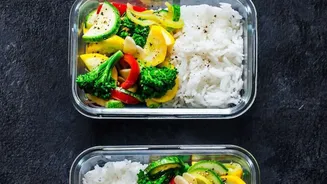
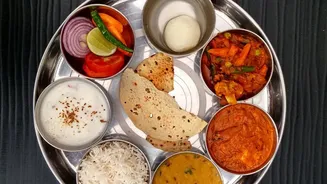
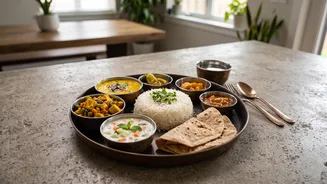
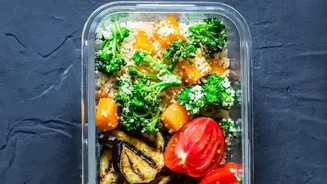
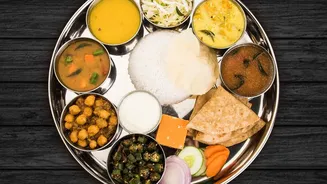
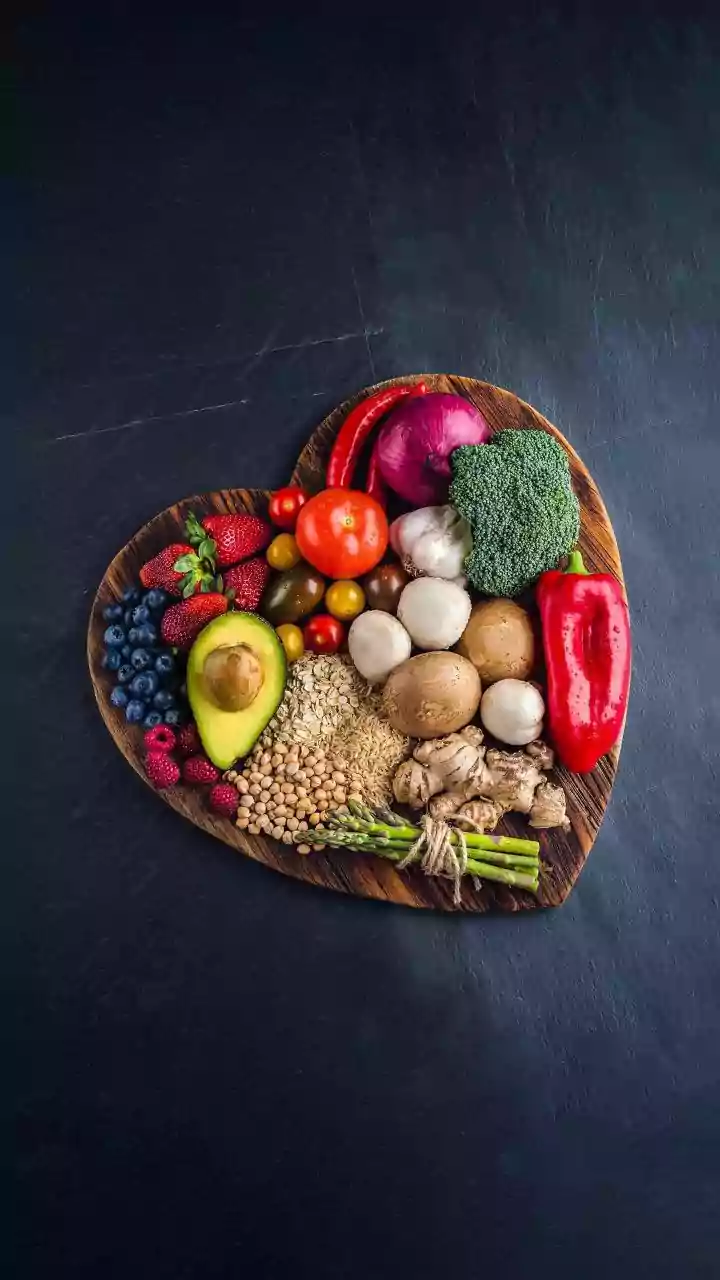
The traditional Indian thali is the perfect blueprint for a balanced meal. It isn’t about fancy ingredients; it’s about nutritional harmony. A typical thali includes a source of carbohydrates (roti, rice), protein (dal, legumes), vitamins and minerals
(sabzi, salad), and a fat/dairy component (ghee, curd). When prices for certain items rise, you don't need to abandon this structure. The key is to make intelligent swaps within each category. Instead of expensive vegetables, opt for seasonal ones. If a particular dal is costly, switch to a more affordable lentil like masoor or chana. This framework ensures you're not sacrificing nutrition, just adapting to the market.
Embrace Budget-Friendly Proteins
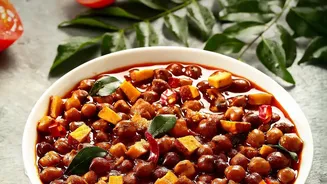
Protein is essential, but it can also be one of the most expensive parts of a meal. Fortunately, Indian cuisine is rich with affordable, high-protein options. Dals (lentils) are the backbone of budget-friendly protein, with varieties like moong, masoor, and chana being particularly cost-effective. Soya chunks offer an impressive amount of protein for their price, often costing less per gram of protein than any other food source in India. Eggs are another versatile and highly bioavailable protein that can be used in curries, bhurji, or simply boiled. For non-vegetarians, consider using smaller quantities of meat in dishes bulked out with vegetables or lentils.
Shop Seasonally and Locally
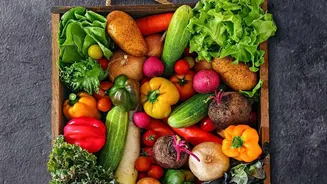
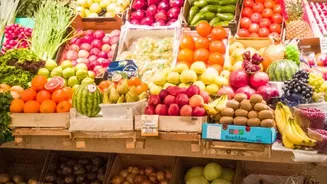
Your local sabzi mandi or weekly market is your best ally against high food prices. Produce that is in season is naturally more abundant and therefore cheaper, fresher, and more nutritious. Avoid the temptation of buying exotic or out-of-season vegetables from supermarkets, which often carry a significant markup due to transportation and storage costs. For example, gourds and corn are plentiful and cheaper during the monsoon, while carrots and leafy greens are more affordable in the winter. Buying local not only saves you money but also supports local farmers.
Plan Your Meals and Your List
One of the biggest sources of overspending is impulse buying. The most effective way to combat this is to plan your meals for the week before you go shopping. Sit down for 20 minutes and map out your main meals. Based on this plan, create a detailed shopping list. When you're at the store or market, stick to the list. This simple discipline prevents you from buying things you don't need and reduces the chances of ingredients wilting in your fridge. Meal planning is the single most effective way to cut down on food waste, which is essentially throwing money away.
Master the Art of 'No-Waste' Cooking
Our grandmothers were experts at using every part of an ingredient, and we can learn a lot from that approach. Don't throw away vegetable scraps like cauliflower stems, carrot tops, or beetroot greens; they can be used in stir-fries, dals, or to make a flavourful vegetable broth. Leftover rice can be turned into a delicious fried rice or lemon rice the next day. Stale rotis can be cut into strips and stir-fried with spices to make a tasty snack. Proper storage is also key. Keep leafy greens fresh longer by wrapping them in a paper towel inside an airtight container. Store onions and potatoes separately in a cool, dark place to prevent them from sprouting.