



The Green Myth: Not All Calcium Is Created Equal
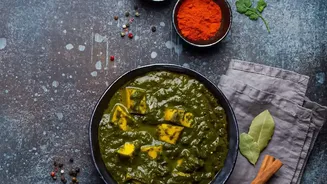
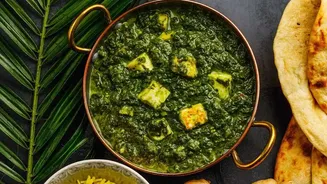
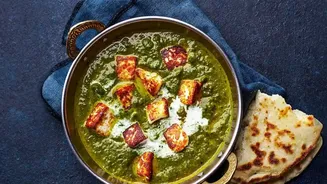
Leafy greens are a cornerstone of a healthy Indian diet, celebrated for their fibre, vitamins, and minerals. Many, like spinach (palak) and amaranth (chaulai), are frequently cited as great sources of calcium. While they do contain this essential mineral,
they also contain a natural compound that complicates things. The critical factor isn't just the presence of calcium, but its 'bioavailability'—how much of it your body can actually absorb and put to use. Unfortunately, for some of our most beloved greens, a significant portion of their calcium content is locked away, inaccessible to our bodies.
Meet Oxalates: Calcium's Natural Blocker
The culprit behind this nutritional puzzle is a compound called oxalic acid, or oxalate. Oxalates are naturally present in many plants and have a strong tendency to bind with minerals. When you eat a food high in oxalates, like spinach, the oxalates bind to the calcium within the spinach itself during digestion. This forms an insoluble salt called calcium oxalate. Because it's insoluble, your intestines can't absorb it, and the bound calcium simply passes through your system without ever entering your bloodstream to support your bones. Foods high in oxalates include spinach, beet greens, and rhubarb. Not all greens are the same, however. Kale and broccoli, for instance, are low in oxalates, making their calcium much more available.
Does Cooking Solve the Problem?
There's a common belief that cooking greens reduces these 'anti-nutrients'. This is partially true. Because oxalates are water-soluble, boiling high-oxalate vegetables and then discarding the water can significantly lower their oxalate content. Studies have shown this method can reduce soluble oxalates by anywhere from 30% to over 80%, depending on the vegetable and cooking time. However, other cooking methods like steaming are far less effective, and roasting or stir-frying remove very little oxalate. Even with boiling, it doesn't solve the problem entirely. Spinach starts with so much oxalate that even after cooking, a considerable amount remains, continuing to interfere with calcium absorption. So, while cooking helps, it doesn’t turn spinach into a top-tier source of usable calcium.
Bioavailability: The Real Measure of Calcium
To understand the true value of a calcium source, we have to look at its bioavailability. For spinach, the absorption rate is shockingly low—only about 5% of its calcium can be used by the body. In contrast, dairy products like milk have a bioavailability of around 32%. This means that even if a serving of spinach and a glass of milk contain the same total amount of calcium on a label, you would absorb more than six times the calcium from the milk. Some low-oxalate greens fare much better; broccoli and kale can have absorption rates of 50-60%, making them excellent plant-based sources. This is why a varied diet is crucial—relying on one 'superfood' can leave you with nutritional gaps.
Build a Diverse Calcium Portfolio
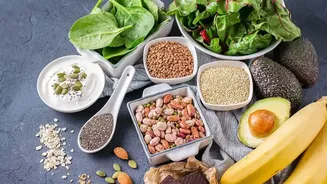
For robust bone health, you need a diverse team of calcium-rich foods. In India, adults typically need around 800-1000 mg of calcium daily, with higher needs for adolescents, pregnant women, and older adults. To meet this, look beyond a single source. Great options readily available in India include: - Dairy: Milk, curd (dahi), and paneer are classics for a reason. Their calcium is highly bioavailable. - Ragi (Finger Millet): This humble grain is a nutritional powerhouse, containing about 344 mg of calcium per 100 grams, making it one of the best plant-based sources. - Sesame Seeds (Til): Whether as whole seeds sprinkled on food or as tahini, sesame is incredibly rich in calcium. - Legumes and Lentils: Chickpeas (chana) and kidney beans (rajma) contribute a healthy dose of calcium, especially when soaked before cooking to reduce other anti-nutrients. - Fortified Foods: Many plant-based milks (soy, almond) and juices are now fortified with easily absorbable calcium. - Certain Fish: For non-vegetarians, small fish eaten with their bones, like sardines, and salmon are excellent sources.