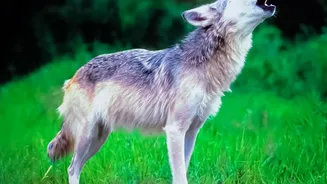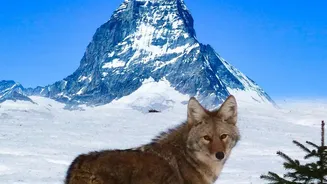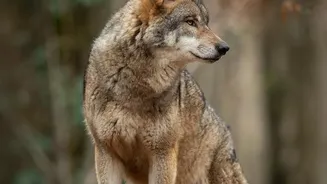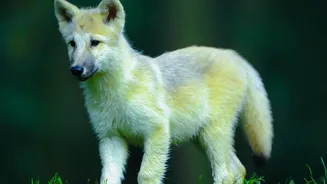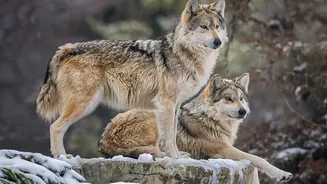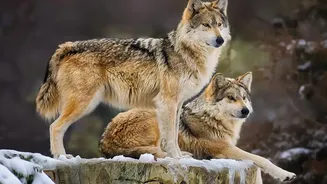






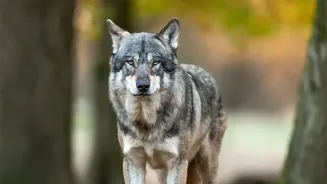

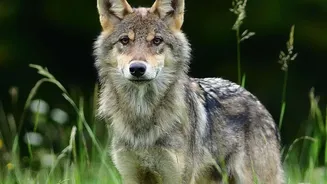
A Continental Comeback
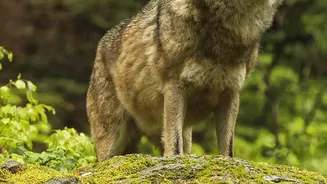
Decades of legal protection and conservation efforts have paid off spectacularly. Wolf populations across the continent have surged, with a study noting a 58% increase in just ten years, bringing the total to over 21,500 individuals by 2022. Countries
like Italy, Spain, Germany, and Romania now each host populations of over a thousand wolves. This recovery is a testament to the species' adaptability, as wolves have repopulated landscapes heavily shaped by human activity. The comeback has been supported by strong legal frameworks like the EU Habitats Directive and the Bern Convention, a rebound in prey populations like deer and wild boar, and changing land use in rural areas.
From Predator to Economic Asset
For centuries, the wolf was a symbol of fear and a direct threat to livestock. While that conflict still exists, a new perspective is emerging in many communities. The same animal that was once seen only as a menace is now being viewed as a valuable economic resource. This shift is most apparent in the rise of wolf-watching tourism, which is creating jobs and injecting revenue into remote regions. In Spain's Sierra de la Culebra, for example, the wolf has become a major attraction, drawing thousands of visitors each year and supporting local hotels, restaurants, and tour companies. This burgeoning industry demonstrates that wildlife and local economies can benefit each other, providing a tangible incentive for conservation.
The Rise of Responsible Wolf Tourism
So, what does wolf tourism actually look like? It’s a far cry from a guaranteed safari sighting. Responsible wolf tourism is built around expertise, patience, and respect for the wild. Tour operators in places like Italy’s Abruzzo National Park and Spain's Riaño Mountains lead small groups on pre-dawn treks, teaching them to look for tracks and other signs. The experience is about tracking, understanding wolf ecology, and contributing to conservation, not about getting a close-up photo. High-quality spotting scopes are used to observe animals from a safe distance, ensuring their natural behaviour isn't disturbed. Many tour operators even funnel a portion of their revenue directly back into local conservation projects and wolf monitoring networks.
An Uneasy Coexistence
Despite the economic benefits of tourism, the wolf’s return is not celebrated by everyone. The conflict with agriculture is real and ongoing. Across the European Union, wolves are responsible for the deaths of tens of thousands of livestock animals annually, costing millions of euros in compensation to farmers. In Germany, for instance, attacks on livestock have risen sharply as the wolf population has grown, fuelling a divisive debate between conservationists and farming communities who feel their livelihoods are under threat. This tension highlights the central challenge of rewilding: finding a sustainable balance where both large predators and human activities can coexist in a shared landscape. Proponents argue that better livestock protection measures, like specialised guard dogs and electric fences, are more effective than culling.