







What Is Neroli Oil?
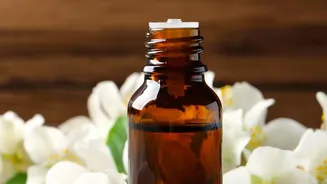
Neroli oil is an essential oil extracted from the delicate white blossoms of the bitter orange tree, scientifically known as Citrus aurantium amara. The trees are cultivated across North Africa, particularly in Morocco and Tunisia, where the flowers are hand-picked
in the spring to preserve their fragile aromatic compounds. The oil is produced through steam distillation, a meticulous process that captures its complex scent profile and therapeutic properties. It takes an immense quantity of blossoms—often said to be 1,000 pounds of flowers—to produce just one pound of oil, making it one of the more precious and costly essential oils on the market. Its name is said to have been popularised in 17th-century Italy by a princess of Nerola who famously used it to perfume her gloves and bathwater.
A Multitasker for Skin Health
Neroli oil's benefits for the skin are backed by its chemical composition, which includes compounds like linalool, limonene, and geraniol. These components give the oil potent antimicrobial, antifungal, and anti-inflammatory properties. Studies have shown its effectiveness against various bacteria and fungi, which can help in managing acne breakouts and reducing associated redness and irritation. Its anti-inflammatory qualities make it a soothing agent for sensitive or reactive skin, helping to calm conditions like rosacea and dermatitis. Furthermore, neroli oil is rich in antioxidants, which help protect the skin from damage caused by environmental stressors like pollution and UV radiation. By neutralizing free radicals, it helps prevent premature aging and supports overall skin health.
The Ultimate Skin Balancer
One of neroli's most celebrated qualities is its ability to balance sebum (oil) production, making it uniquely suitable for a wide range of skin types. For those with oily or combination skin, its natural astringent properties can help tighten pores and reduce excess oil without stripping the skin of its natural moisture. Conversely, for dry or mature skin, neroli helps to lock in moisture and improve hydration. This balancing act promotes a clearer, more harmonious complexion. It is also considered a 'cicatrisant,' meaning it has properties that may help with skin cell regeneration. This makes it a popular choice for addressing the appearance of fine lines, scars, and stretch marks, helping to improve skin's elasticity and texture over time.
More Than Skin Deep: Aromatherapy Benefits
The benefits of neroli oil extend beyond its topical effects. Its signature scent—a rich blend of citrus and floral notes—is widely used in aromatherapy to promote relaxation and reduce stress. Inhaling neroli oil has been shown in some studies to help lower blood pressure and cortisol levels, the body’s primary stress hormone. Incorporating neroli-infused products into your skincare routine can transform a simple act into a calming ritual. The scent is known to have an uplifting yet soothing effect on mood, helping to ease feelings of anxiety and create a sense of well-being. This connection between scent and emotion can make your daily facial care a more holistic and enjoyable experience.
How to Add Neroli to Your Routine
Incorporating neroli oil into your facial care is simple, as it is found in a variety of products, from serums and facial oils to mists and cleansers. Look for 'Citrus aurantium amara flower oil' on the ingredient list. Since essential oils are highly concentrated, they should always be diluted with a carrier oil—like jojoba or almond oil—before being applied directly to the skin. A few drops can be mixed into your favorite unscented moisturiser or cleanser. Facial mists are another excellent way to experience its benefits, offering a quick refresh and hydration boost throughout the day. As with any new ingredient, it is wise to perform a patch test on a small area of skin to check for sensitivity, especially if you have a known citrus allergy.