

An Ancient Pantry Rediscovered
For generations, indigenous and forest-dwelling communities across India have relied on the wild for sustenance and medicine. Their knowledge of edible flowers, ferns, mushrooms, and fruits is a culinary tradition that has largely remained outside mainstream
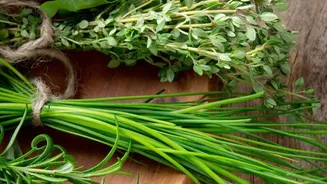
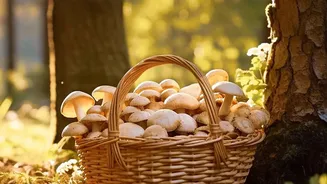
dining. Ingredients like the fragrant gondhoraj lebu, earthy wild mushrooms from the Himalayas, tart hisalu berries from Uttarakhand, and nutrient-rich greens like takla from Maharashtra are now finding their way onto urban plates. This isn't about inventing new foods, but rather rediscovering a rich, hyperlocal biodiversity that offers a palate of flavours intimately tied to the land.
Pioneers on the Plate
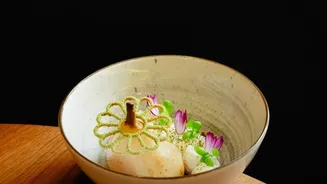
A handful of visionary chefs are leading this movement. At restaurants like Masque in Mumbai and NAAR in Kasauli, chefs Varun Totlani and Prateek Sadhu craft menus around ingredients foraged from forests and sourced from small-scale local producers. Dishes might feature sea buckthorn from Ladakh, Kashmiri morels, or fiddlehead ferns from the Himalayan belt. These chefs often travel to remote regions, learning from local communities to understand the true context of these ingredients. Chef Vanika Choudhary of Noon in Mumbai, for instance, uses her knowledge of fermentation to preserve and elevate rare finds like skotse (wild garlic from Ladakh) and mahua flowers, creating dishes that tell a story of a specific place and season.
More Than a Fleeting Trend
The turn toward foraged ingredients is more than just a culinary fad; it's a conscious shift away from standardized, imported produce and a move toward culinary self-reliance. It represents a reconnection with roots and a celebration of India's immense ecological diversity. For diners, it offers an education, expanding their palates and introducing them to the stories behind their food. This ingredient-first philosophy challenges the very notion of a restaurant having to fit into a specific cuisine type, instead allowing the menu to be guided by what is seasonal, fresh, and local. It’s a return to a more mindful way of eating that values authenticity and place over predictable flavours.
The Dangers of Turning Foraging Into Fashion
While the spotlight on wild ingredients is exciting, the headline-grabbing nature of foraging carries significant risks. The term itself has become a buzzword, often used for PR without genuine substance. When foraging becomes a trend, it can lead to over-harvesting, threatening delicate ecosystems. There is also the critical issue of appropriation. Too often, chefs might highlight a wild ingredient without acknowledging or compensating the indigenous communities who have been its traditional custodians for centuries. Furthermore, popularizing foraging without proper education can be dangerous. Misidentification of plants, especially mushrooms, can lead to severe poisoning and, in some cases, fatalities.
Harvesting with Humility and Respect
The solution lies in approaching foraging with responsibility and respect, not as a commercial treasure hunt. This means building meaningful, equitable relationships with local foragers and tribal communities, ensuring they are credited and benefit from this exchange of knowledge and resources. True sustainability in this space involves understanding that not everything edible should be taken and learning when to stop. It requires chefs to act as guardians, not just consumers, of this natural pantry. By working collaboratively, they can help preserve both the ingredients and the traditions surrounding them, ensuring that this movement enriches India's culinary heritage rather than depleting its natural one.