







India's Land of the Rising Sun
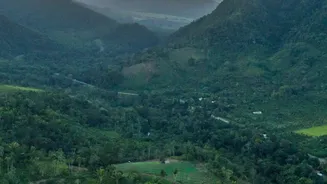
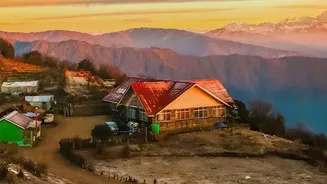
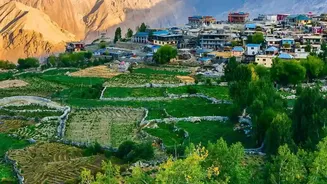
Perched at an altitude of 1,240 metres in the Anjaw district, Dong Valley holds the unique distinction of being the first inhabited place in India to witness the sunrise. Every morning, while the rest of the country is still enveloped in darkness, the first golden
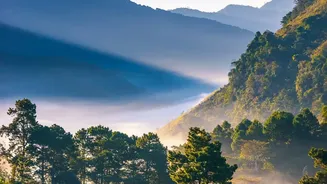
rays of sunlight crest over the Himalayan peaks and spill into this remote valley. The phenomenon occurs because of its extreme eastern longitude. During summer, the sun can rise as early as 4 AM, and in winter, around 5 AM. This daily spectacle has turned the valley into a pilgrimage site for trekkers, photographers, and seekers of tranquility, all hoping to witness the nation’s very first dawn. The experience is more than just a beautiful view; it’s a moment of profound peace and connection with nature at its most pristine.
The Pre-Dawn Trek
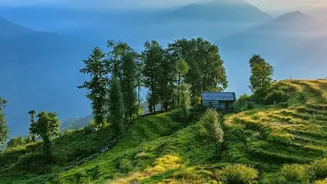
The journey to the sunrise viewpoint is an adventure in itself. The trek begins in complete darkness, typically around 2 or 3 AM from the nearby town of Walong or the hamlet of Tilam. Guided by the narrow beam of a headlamp and the expertise of a local guide, you will ascend a steep, pine-forested ridge. The hike, which is about 8 kilometres, can take anywhere from 90 minutes to two hours, depending on your pace. As you climb through the fragrant pine forests and open meadows, the world is silent save for the crunch of your footsteps and the whisper of the wind. The anticipation builds with every step, making the final reveal at the viewpoint all the more rewarding. The trail itself is a mix of built steps and natural paths, making it a moderately challenging but accessible climb for most people with a reasonable level of fitness.
A Symphony of Colour
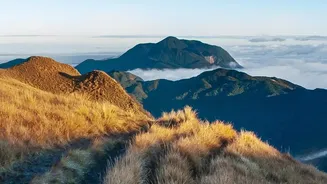
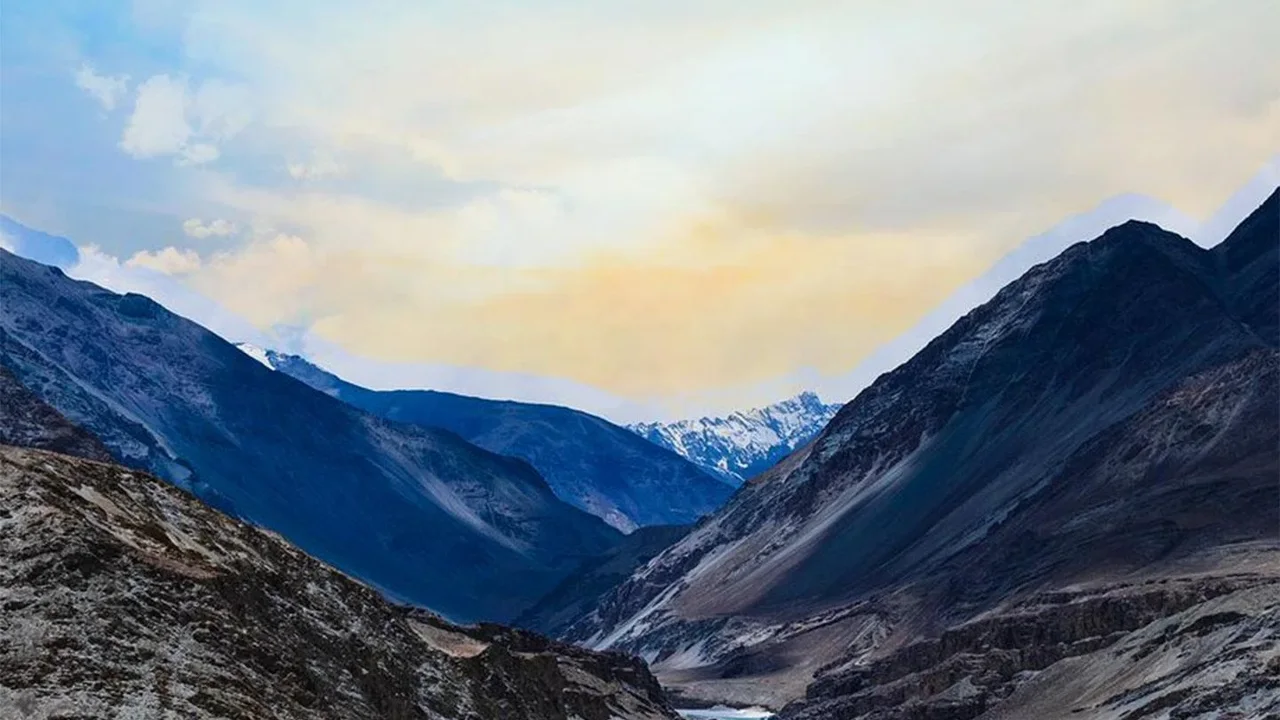
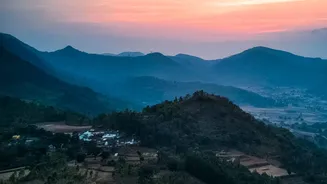
Reaching the summit, a vast open meadow, you are greeted by a predawn sky shimmering with stars. As you wait, the eastern horizon slowly begins to glow, transitioning from deep indigo to soft shades of orange, pink, and gold. The first sliver of the sun appears over the snow-capped peaks, casting long shadows and bathing the confluence of the Lohit and Sati rivers in a celestial light. The view is panoramic and utterly breathtaking. It’s a moment that cameras struggle to capture fully; the sheer scale of the landscape and the intensity of the colours are something that must be experienced. For those few minutes, as the valley awakens below, you are witnessing the birth of a new day for an entire subcontinent.
Planning Your Journey
Reaching Dong Valley requires careful planning. The nearest major airport and railway station are in Dibrugarh and Tinsukia in Assam, respectively. From there, it's a two-day road journey to Walong, the main access town for the valley. You'll travel through Tezu and Hayuliang, with Walong being the recommended place to stay overnight before the trek. Homestays like Anu Nimai and Nomkholong offer basic but clean accommodation. The best time to visit is from October to April, when the skies are generally clear, offering the best chances for an unobstructed sunrise view. The monsoon season, from July to September, should be avoided due to heavy rainfall and potential landslides.
Permits and Essentials
As Arunachal Pradesh is a protected state, Indian citizens require an Inner Line Permit (ILP) to enter. This can be easily obtained online through the official government portal. For visiting the border zone of Anjaw district, where Dong is located, you may also need a Protected Area Permit (PAP), which is best arranged through a registered local tour operator. Foreign nationals are generally restricted from this specific border area. Hiring a local guide for the trek is highly recommended, and often mandatory. Essential items to pack include a powerful torch or headlamp, warm layered clothing as mornings are frigid, sturdy trekking shoes, water, and some snacks. Remember that the last ATM and reliable fuel station are in Hayuliang or Tezu, so plan your cash and fuel accordingly.