




The Science of Ripening
Ethylene is an odorless, colorless gas produced by many fruits and vegetables as they mature. Often called the “ripening hormone,” it plays a crucial role in the development of texture, sweetness, and aroma. Think of it as a signal that tells the fruit it is ready
to be eaten. As fruits ripen, they produce more ethylene, which in turn accelerates the ripening of both itself and any sensitive produce nearby. This explains the old saying that one bad apple can spoil the bunch; an overripe apple releases a large amount of ethylene, causing others around it to decay faster.
The High-Ethylene Producers
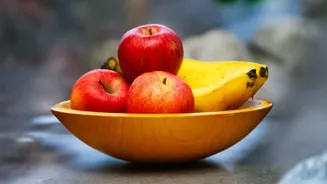
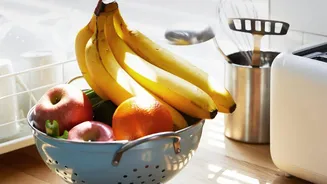
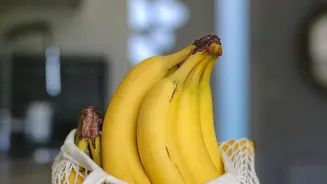
Some fruits are known for being prolific ethylene producers. Keeping these separate from other items is key to managing your kitchen's ecosystem. The most common high-ethylene culprits include apples, ripe bananas, avocados, mangoes, pears, peaches, and tomatoes. Cantaloupes, figs, and plums are also significant producers. Storing these items on their own can prevent them from prematurely aging the rest of your groceries. For example, keeping apples in a crisper drawer by themselves or bananas on a hook away from other fruits can make a noticeable difference.
The Ethylene-Sensitive Squad
On the other side are the fruits and vegetables that are highly sensitive to ethylene. Exposure to the gas can cause them to spoil, wilt, or yellow prematurely. This group includes leafy greens like lettuce and spinach, as well as broccoli, carrots, cucumbers, and eggplant. Potatoes are also sensitive; exposure to ethylene can cause them to sprout. Other sensitive items include green beans, asparagus, and bell peppers. To protect these vegetables, you should store them far away from the high-ethylene producers, ideally in a different drawer in the refrigerator or in a sealed container to shield them from the gas.
Harnessing Ethylene for Good
This ripening power isn't always a bad thing. You can use it to your advantage to speed up the ripening of certain fruits. If you have a rock-hard avocado or a green banana you’d like to eat sooner, you can place it in a paper bag with an apple or a ripe banana. The bag traps the ethylene gas, concentrating it and accelerating the ripening process. This trick works well for stone fruits like peaches and nectarines, as well as for pears and mangoes that are often sold underripe. Just be sure to check on them daily, as the process can be quite effective, and you don't want to go from perfectly ripe to overripe.
Smart Storage Strategies
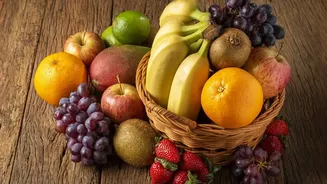
Proper storage is the best way to manage ethylene in your kitchen. As a general rule, store fruits and vegetables separately. Keep the high-ethylene producers on the counter or in their own designated space. Place ethylene-sensitive vegetables in the crisper drawer of your refrigerator, which can help maintain humidity and shield them. For produce like leafy greens, using a sealed container can provide an extra layer of protection against any stray ethylene gas. Conversely, avoid storing ethylene producers in sealed bags or containers, as trapping the gas will make them ripen and spoil much faster. Some produce, like berries and citrus fruits, are neither major producers nor overly sensitive to ethylene, making them easier to store.