






The Grand Promise of UDAN
Launched in 2016, the Ude Desh ka Aam Naagrik (UDAN) scheme was a cornerstone of India's plan to democratise air travel. The goal was twofold: to revive unused and underserved airports in Tier-2 and Tier-3 cities and to make flying on these regional routes
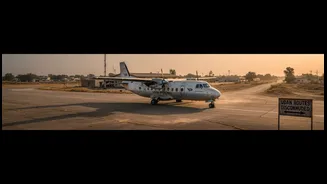
affordable for everyone. The government incentivised airlines with Viability Gap Funding (VGF), a subsidy to cover potential losses on routes with low initial demand. In return, airlines had to cap fares on a portion of seats, enabling the iconic image of a common person in slippers boarding a plane. The scheme successfully put dozens of new towns on the aviation map, from Darbhanga in Bihar to Jharsuguda in Odisha, connecting 95 airports and serving over 16.6 million passengers since its inception.
A Growing Number of Grounded Flights
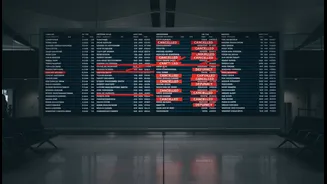
Despite its ambitious start, the UDAN scheme is facing a harsh reality. Recent data from early July 2026 shows a troubling trend: of the 669 routes made operational since 2017, only 336 are currently active. This means that nearly half of the routes launched with much fanfare have been discontinued. This high rate of failure isn't just a statistic; it represents broken connectivity for countless small towns and a significant challenge to the programme's long-term sustainability. The government has spent thousands of crores on both airport infrastructure and airline subsidies, but the data suggests that simply launching a route does not guarantee its survival.
Why the Dream is Faltering
The reasons behind these discontinued routes are complex. A primary issue is the three-year limit on the initial VGF subsidy. Airlines found that once the subsidy period ended, many routes were not commercially viable on their own. Low passenger demand, or load factors, made it impossible to cover high operating costs, particularly for smaller aircraft. For example, daily services to airports like Bidar and Kalaburagi in Karnataka were stopped once the three-year support ended. Beyond demand, airlines cite other major hurdles. The poor financial health of smaller regional carriers, which were key to the scheme's initial rollout, has led to many shutting down. Delays in making airports fully ready for commercial operations and a lack of access to crucial slots at major metro airports like Delhi and Mumbai have also hampered the ability of regional airlines to build sustainable networks.
The Unsustainable Economics of 'Affordable'
The core of the issue lies in the economics of affordability. The fare caps, while beneficial for passengers, place immense pressure on airlines operating on thin margins. Once the VGF support disappears, airlines are forced to choose between raising fares to cover costs—which can destroy demand—or exiting the route altogether. Many chose the latter. This cycle exposes the fundamental weakness of the model: it struggled to create self-sustaining aviation markets. A government audit noted that out of 112 routes that completed the full three-year concession period, only 54 could sustain operations beyond that, a success rate of just 7% of all awarded routes up to that point. Furthermore, increasing competition from improved road infrastructure and new semi-high-speed trains like the Vande Bharat Express offers cheaper alternatives for short-distance travel, further challenging the demand for regional flights.
Charting a New Course with 'Viksit UDAN'
Recognising these challenges, the government has launched a revamped programme called Viksit UDAN. This new phase, announced in mid-2026, comes with a substantial outlay of nearly ₹29,000 crore over the next decade. Key changes include extending the subsidy period from three to five years and a greater focus on developing airport infrastructure, with plans for 100 new aerodromes and 200 modern helipads. The aim is to shift from merely launching routes to building a more robust and sustainable regional aviation ecosystem. The hope is that by providing longer financial support and better ground infrastructure, the government can help airlines navigate the initial years and build truly viable routes.