


The Government's Position
Union Minister for Commerce and Industry, Piyush Goyal, has become a vocal proponent of viewing AI as an opportunity for India, not a threat. In recent statements, he has pointed to the tourism industry as a key example of a sector that could remain 'AI-proof'.
The government's logic is that while technology can enhance efficiency, the core of tourism—hospitality, personal interaction, and creating memorable experiences—relies on a human touch that cannot be fully automated. This perspective is part of a broader initiative to identify and bolster industries where employment can thrive alongside technological advancement, ensuring that progress doesn't leave large segments of the workforce behind.
Why Tourism Might Be Different
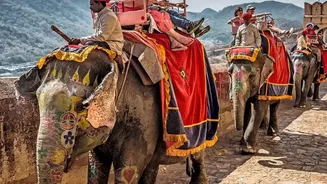
The argument for tourism's resilience hinges on one key factor: the irreplaceable value of human connection. While AI can manage bookings, optimize pricing, and even generate travel itineraries, it cannot replicate the warmth of a hotel welcome, the storytelling of a local guide, or the creative problem-solving of a tour operator during an unexpected event. Many roles within the sector, from hotel managers and event planners to transport operators and entertainment providers, are rooted in physical presence and interpersonal skills. Experts note that the more complex, expensive, or emotionally significant a trip is, the more travellers seek human expertise and reassurance, a need that AI struggles to meet. This suggests that while transactional jobs may be at risk, roles centered on experience and trust could become even more valuable.
The Inevitable Role of AI
To suggest tourism is entirely immune to AI would be a mistake. The industry is already undergoing a significant AI-driven transformation. From the moment a traveller starts planning, AI is at work. Algorithms power recommendation engines on booking websites, chatbots handle customer service queries 24/7, and dynamic pricing models adjust hotel room rates in real-time. Behind the scenes, AI is used to forecast demand, manage staff schedules, and optimize everything from housekeeping routes to food inventory. This adoption is not about replacing people wholesale but about driving efficiency, reducing operational costs, and personalizing the guest experience at scale. The reality is that AI is becoming the connective tissue of modern travel, linking data and decisions across the entire journey.
Augmentation, Not Just Automation
The more nuanced view, shared by many industry leaders, is that AI's primary role will be to augment human workers, not replace them. By automating repetitive and administrative tasks, AI frees up employees to focus on higher-value activities that require uniquely human skills like empathy, creativity, and complex decision-making. For example, a hotel front-desk employee, freed from manual check-ins by an AI kiosk, can spend more time engaging with guests and addressing their specific needs. Piyush Goyal himself has made a similar point in broader contexts, arguing that AI will create new job categories entirely, such as professionals who build AI applications, manage cybersecurity for these systems, and validate the data AI uses. This points to a future where the workforce evolves, requiring new skills but not necessarily shrinking.
The Road Ahead for India
For India, the conversation around AI and tourism is critical. The sector is a major employer, providing jobs for millions across various skill levels. Minister Goyal’s optimism is rooted in the belief that India’s vast talent pool, including millions of STEM graduates, can position the country as a leader in developing and applying AI solutions. However, this transition won't be seamless. Studies show that awareness of AI can increase burnout and career-change intentions among tourism employees if not managed properly. The key will be strategic investment in upskilling and retraining the workforce. Workers will need to learn how to collaborate with AI tools, and the education system must adapt to foster skills like critical thinking, emotional intelligence, and digital literacy, which will be in high demand in an AI-powered world.