





The Viral Post That Sparked Panic
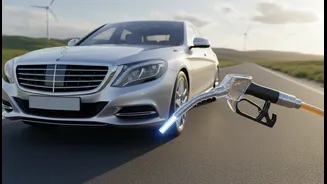
The controversy ignited when popular vlogger Sourav Joshi posted a video claiming the fuel efficiency of his Mercedes-Benz GLC plummeted from around 16-17 km/l to a mere 5 km/l. In the video, which quickly amassed millions of views, Joshi expressed anxiety
about potential engine damage and attributed the dramatic drop directly to the now-common E20 ethanol-blended petrol. The claim resonated with a public already buzzing with questions and concerns about the new fuel standard, turning a personal anecdote into a national social media event. Many vehicle owners shared similar stories, while others called for a scientific explanation, creating a firestorm of speculation.
What is E20 Fuel and Why The Debate?
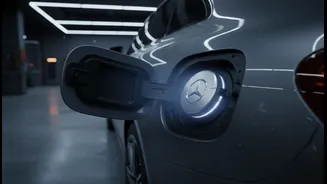
E20 is a blend of 80% petrol and 20% ethanol, an alcohol-based fuel made from agricultural products like sugarcane and maize. The Indian government is aggressively promoting its adoption to achieve several key goals: reducing the country's massive oil import bill, lowering carbon emissions, and boosting the incomes of farmers. However, the rollout has been met with consumer apprehension. The central points of contention are fears of reduced mileage, since ethanol has a lower energy density than petrol, and concerns about potential damage to the engines and fuel systems of vehicles not specifically designed for higher ethanol blends.
Mercedes-Benz Sets The Record Straight
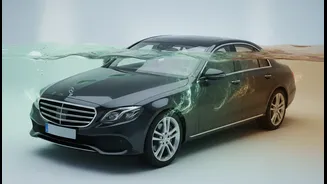
As the online debate intensified, Mercedes-Benz India stepped in to manage the narrative. In a carefully worded customer advisory posted on social media, the German luxury brand, without naming the YouTuber, addressed the concerns head-on. The company stated that “All Mercedes-Benz petrol BS VI vehicles are materially compatible with E20 fuel and certified accordingly by relevant authorities.” The statement emphasised that customer safety and vehicle reliability are paramount. While reassuring customers about E20 compatibility, Mercedes also pointed out that fuel efficiency is influenced by many factors, including driving style, traffic, and overall vehicle condition, implying that fuel type alone is rarely the sole culprit for such a drastic mileage drop.
Are E20 Fears Justified?
The drastic drop from 17 km/l to 5 km/l reported in the video is an outlier. Most official estimates and independent tests suggest that E20 fuel might cause a mileage reduction, but it's typically in the range of 3-8%. Automakers have recalibrated engines on newer, E20-compliant models (generally those made after April 2023) to minimise this effect. The real concern lies with older vehicles. While the government maintains E20 is safe, some owners of pre-BS VI cars have reported issues. Experts note that a sudden, massive drop in fuel economy is more likely the result of a technical malfunction, such as a faulty sensor, or possibly poor quality or adulterated fuel, a concern the head of Mercedes-Benz India has also raised previously.
What This Means For Indian Car Owners
This incident serves as a crucial reminder for all vehicle owners in the era of new fuels. The most important step is to verify your own car's E20 compatibility. This information is available in the vehicle's owner's manual and on the manufacturer's official website. For owners of Mercedes-Benz vehicles, the company has been clear that all its BS VI petrol cars are compatible. If you own an older vehicle not certified for E20, it is advisable to consult with your authorised service centre about any precautions you should take. Relying on official sources for information is key to navigating India's fuel transition without falling prey to viral misinformation.