
The Philosophy: Responsible Tourism as a State Mission
At the heart of Kerala’s strategy is the Responsible Tourism (RT) Mission, a government-led body tasked with ensuring tourism benefits local communities and preserves the environment. This isn't just a guideline; it's a formal state policy. The mission
was launched to connect the booming tourism industry directly with local artisans, farmers, and cultural practitioners. Instead of revenue flowing only to large operators, the model focuses on creating local supply chains, where hotels source produce from nearby farms and homestays offer authentic village experiences. The initiative has been so successful that the RT Mission has been established as a government-owned society to provide training, marketing, and support for thousands of local tourism enterprises. This framework has received international praise, including from the United Nations World Tourism Organisation (UNWTO), which has cited Kerala's model as an example for other destinations to follow.
Confirmed in Action: The Vaikom Model
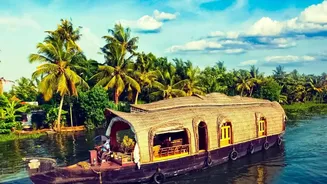
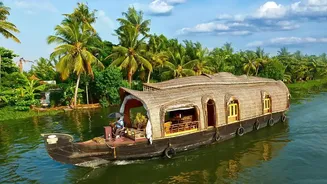
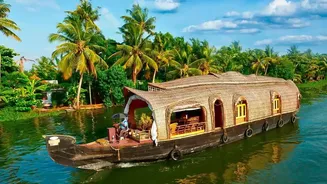
To see the RT Mission's philosophy in action, look no further than Vaikom, a village in Kottayam district. Once an experimental project, Vaikom is now an officially declared tourism destination built on community participation. The 'PEPPER' project (People’s Participation for Participatory Planning and Empowerment through Responsible Tourism) empowered residents to map their own tourism potential. Today, visitors to Vaikom can book 'Village Life Experience' packages that include everything from watching pottery making and coir weaving to enjoying a meal in a local home. The model has proven so effective that the government is expanding similar community-led projects to dozens of other locations. Further investment in Vaikom and nearby Maravanthuruthu's 'Water STREET' project continues, with funds allocated for new jetties and infrastructure to support sustainable water-based tourism.
State-Backed Green Policies and Protocols
Kerala's commitment is also confirmed through concrete environmental policies. The state has implemented a 'Green Protocol' for tourism destinations, which includes promoting scientific waste management, use of renewable energy, and rainwater harvesting. The June 2026 state budget allocated significant funds, ₹325 crore, for the tourism sector with a strong emphasis on sustainability. This budget introduced initiatives like deploying 'Green Marshals' in popular tourist hubs such as Fort Kochi and Munnar to promote cleanliness and responsible visitor behaviour. There is also a confirmed focus on developing eco-tourism centres, such as on Pathiramanal Island, and establishing waste treatment facilities specifically for tourism-related waste in places like Alappuzha.
Empowering Women and Local Entrepreneurs
A cornerstone of Kerala's sustainable model is its confirmed focus on social equity, particularly the empowerment of women. The RT Mission actively promotes women-led and women-inclusive initiatives. This has resulted in a network of over 24,000 local units, providing livelihoods for around 1,50,000 families, with a significant number of these being women-run homestays, catering services, and craft units. The state is actively working to make destinations safer and more accessible for women, both as hosts and as travellers. The RT Mission has even partnered with UN Women to integrate gender equality elements across its programs, confirming its commitment to not just environmental, but also social, sustainability.
Global Recognition and Future Plans
The success of these initiatives is not just local. The UNWTO has repeatedly lauded Kerala's RT Mission, including it in a global list of case studies for aligning with the UN's Sustainable Development Goals. The state has won international awards for its local sourcing in food and crafts and for its innovative public policies in tourism governance. Looking ahead, Kerala continues to innovate. The 2026 budget confirms plans to transform the Muziris Heritage Project into a premier heritage tourism destination and develop new experiential tourism products like 'life experience trails' that immerse visitors in village life. The state also plans to declare tourism an official industry, which will help the sector access more benefits and solidify its sustainable foundation for the future.