


A Once-in-a-Doz-Year Marvel
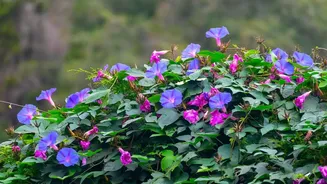
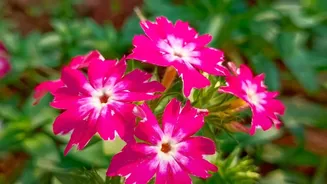
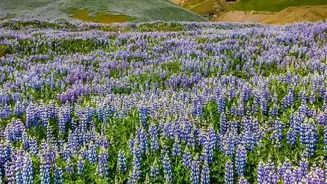
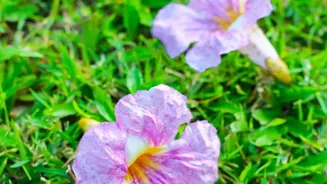
The star of this natural show is the Neelakurinji flower, or Strobilanthes kunthiana, a shrub that is endemic to the high-altitude shola ecosystems of the Western Ghats. Its claim to fame is a phenomenon called gregarious flowering: millions of plants
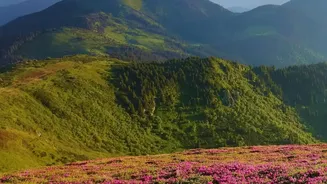
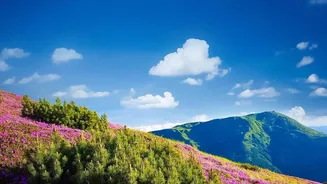
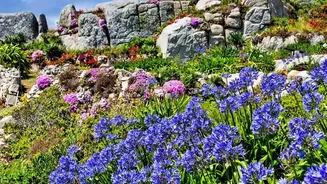
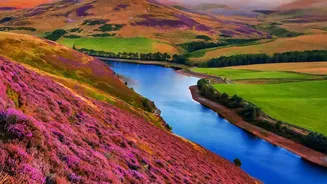
that have grown quietly for over a decade suddenly burst into bloom together, creating a breathtaking floral carpet that stretches across entire mountainsides. This mass flowering happens just once in the plant's 12-year life cycle. After producing seeds for the next generation, the parent plants die, leaving a long wait until the spectacle returns. For centuries, local communities have used this predictable cycle to mark time and calculate age. The name itself, combining 'Neela' (blue) and 'Kurinji' (a local name for the flower), hints at the landscape it creates, so profound that it is believed to have given the Nilgiris, or 'Blue Mountains', their name.
What’s New About The 2026 Bloom?
Many who follow this natural wonder might be confused, as the last major, widely publicised bloom in Munnar was in 2018, with the next expected in 2030. The key detail of the 2026 bloom is that it's a different population of the same flower, running on its own 12-year clock. The flowers currently carpeting the hills of Chokramudi, Korandakkad, and the Mattupetty region last bloomed in 2014. This means the 2026 event isn't an early arrival of the Eravikulam National Park bloom, but a separate, equally spectacular phenomenon. This makes 2026 a special, almost bonus opportunity for nature lovers. Forest officials inaugurated the season on August 24, with peak viewing expected through September and October.
Planning Your Visit: A 2026 Guide
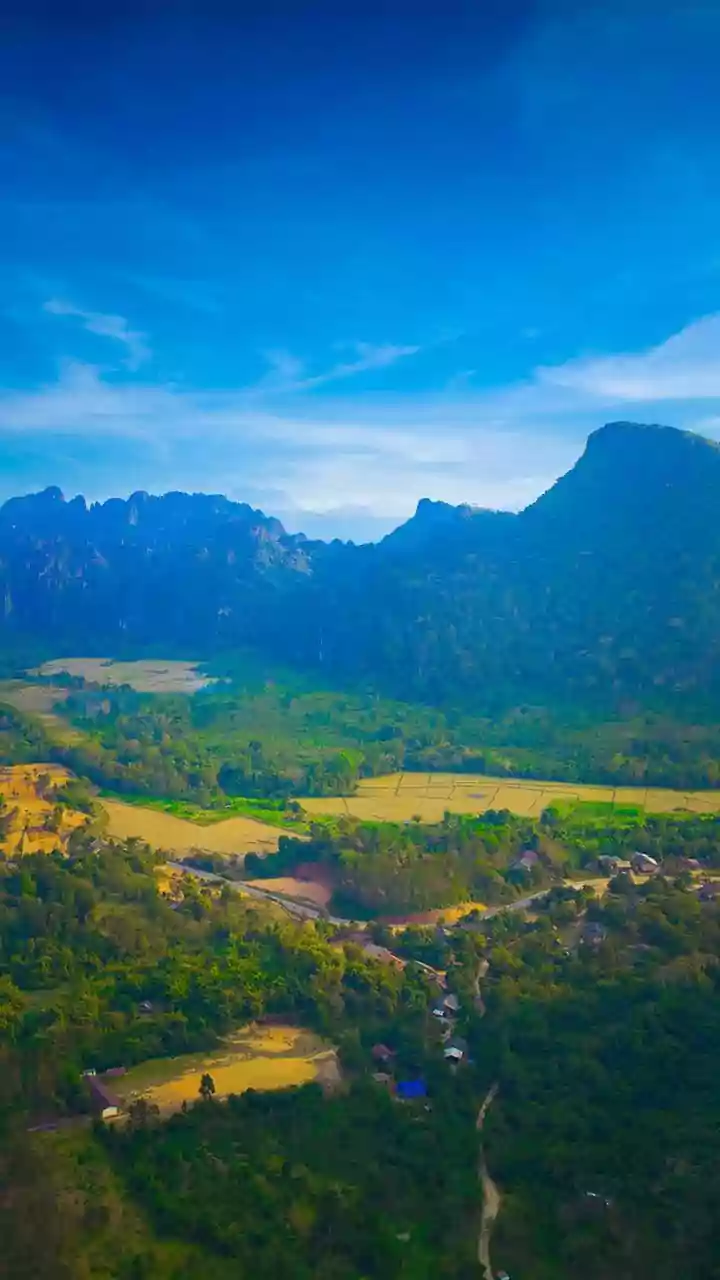
The main viewing areas for the current bloom are outside the famous Eravikulam National Park. Visitors should focus their plans on the Chokramudi Hills and the Mattupetty-Korandakkad area. The Chokramudi area, which opened to visitors in late August, offers trekking trails with sweeping views. Authorities have implemented ticketing systems, with entry fees set at ₹200 for adults. Given the high demand, it's crucial to book accommodation and transport well in advance. For a successful trip, pack comfortable shoes, warm layers for the cool mountain air, and a good camera. Remember, morning light often provides the most dramatic photographs. Authorities expect the bloom to spread to other areas like Meesapulimala as September progresses.
A Fragile Beauty, A Shared Responsibility
The return of the Neelakurinji is more than just a tourist event; it’s a barometer for the health of the Western Ghats, a UNESCO World Heritage site. This fragile shola-grassland ecosystem faces constant threats from habitat loss, invasive species, and human activity. In fact, Strobilanthes kunthiana was recently assessed for the IUCN Red List and classified as a Vulnerable species, highlighting the urgent need for conservation. In response, authorities are enforcing strict rules. Visitors are urged to stay on marked trails, avoid plucking or trampling the flowers, and carry out all waste. Drones are strictly prohibited. The laws are taken seriously; forest officials have already filed cases against individuals for uprooting the protected plants for photoshoots, a crime that can lead to hefty fines and even imprisonment. Responsible tourism is not just a request but a necessity to ensure this natural marvel can be witnessed by future generations.