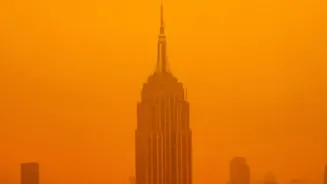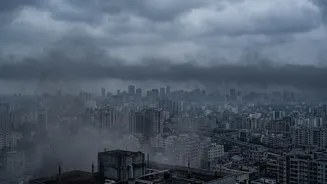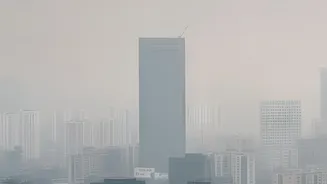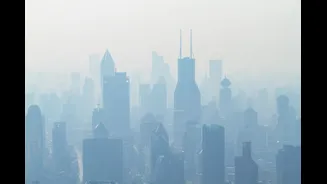





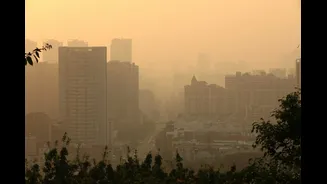
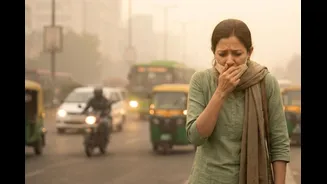
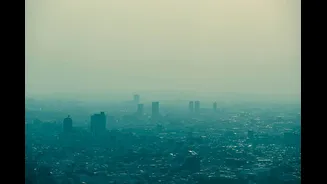
As November arrives, a thick, toxic haze descends upon Delhi, turning the city's air into a public health emergency. This isn't just fog; it's a dangerous cocktail of pollutants that requires a specific and effective line of defence.
Delhi's Annual Pollution Crisis
Every year, as winter
approaches, Delhi's air quality deteriorates to 'Severe' and 'Hazardous' levels. A combination of factors is to blame. Stubble burning in the neighbouring states of Punjab and Haryana sends vast plumes of smoke into the atmosphere. These emissions, coupled with local sources like vehicle exhaust, industrial pollution, and construction dust, create a toxic mix. This situation is worsened by meteorological conditions. Cooler temperatures and lower wind speeds create a phenomenon known as thermal inversion, where a layer of warm air traps cold, polluted air close to the ground, preventing it from dispersing. This effect turns the National Capital Region into what many have called a 'gas chamber', with the Air Quality Index (AQI) frequently soaring above 400 and sometimes even past 999, the maximum reading on many monitors.
The Invisible Danger: Understanding PM2.5
The primary pollutant of concern during this period is PM2.5—fine particulate matter less than 2.5 micrometres in diameter, or about 30 times smaller than a human hair. Because of their minuscule size, these particles can bypass the body's natural defences, penetrating deep into the lungs and even entering the bloodstream. Short-term exposure to high levels of PM2.5 can cause immediate symptoms like throat irritation, persistent coughing, and shortness of breath, even in healthy individuals. Long-term exposure is far more sinister, linked to a higher risk of chronic respiratory conditions like asthma and bronchitis, cardiovascular diseases, reduced lung function, and even premature death. Children and the elderly are particularly vulnerable to these devastating health impacts.
Why Your Cloth Mask Isn't Enough
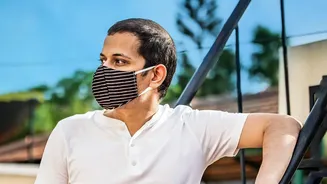
During pollution season, many people reach for simple cloth masks or surgical masks. Unfortunately, these are largely ineffective against PM2.5. While they can block larger droplets, they do not have the filtration capability or the snug fit required to stop the inhalation of fine particulate matter. For meaningful protection against the hazardous air quality in Delhi, experts unequivocally recommend a well-fitted N95 or a certified equivalent respirator. An N95 respirator is designed to filter out at least 95% of airborne particles, including the dangerous PM2.5 particles that dominate the city's smog.
The Fit is Everything: A Step-by-Step Guide
An N95 mask is only effective if it forms a perfect seal around your nose and mouth. Any gaps will allow polluted air to leak in, rendering the mask useless. Follow these steps for a proper fit:
1. Start with clean hands and inspect the mask for any damage. Place the mask in your palm with the nosepiece at your fingertips and the straps hanging down.
2. Position the mask under your chin with the nosepiece up. Pull the top strap over your head so it rests high on the back of your head. Pull the bottom strap over and place it around your neck, below your ears.
3. Use both hands to mold the metal nosepiece to the shape of your nose bridge, ensuring a snug fit. Pinching with one hand can create an improper seal.
4. Perform a 'seal check'. Place your hands over the mask and exhale sharply. If you feel air leaking from the edges, readjust the straps and nosepiece. If you inhale and the mask slightly collapses, you have a good seal. Facial hair can interfere with the seal and significantly reduce the mask's effectiveness.
Choosing a Genuine Mask
The market is flooded with counterfeit masks that offer a false sense of security. To ensure you're buying a genuine N95, look for NIOSH (National Institute for Occupational Safety and Health) markings, including the brand name, model number, and a 'TC' approval number. In India, look for Bureau of Indian Standards (BIS) certified masks which carry the 'ISI' mark. Be wary of masks that have ear loops instead of two headbands, as these typically do not provide a tight enough seal for pollution protection. Avoid masks with decorative addons or those that make unsupported claims, such as being approved for children, as NIOSH does not certify respirators for kids.