





What Happened On the Flight to Delhi?
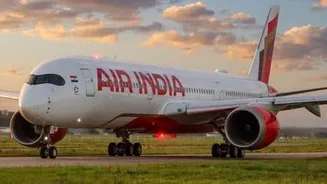
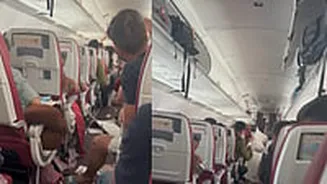
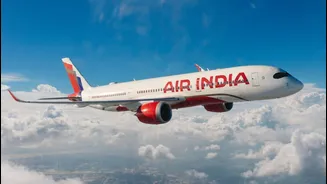
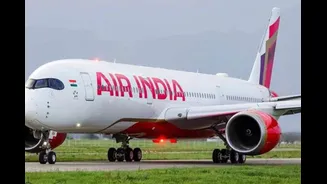
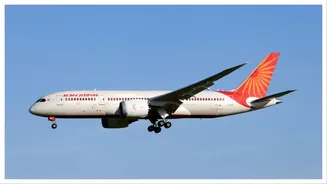
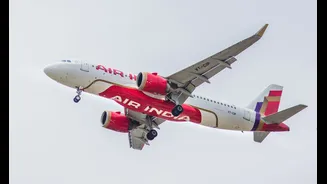
On August 4, 2026, passengers on Air India flight AI2379 were flying from Phuket to Delhi when the Airbus A320 aircraft encountered a terrifying episode. While cruising at altitude, the plane was hit by severe, unexpected turbulence, causing it to abruptly
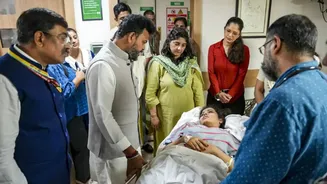
lose about 300 feet. The sudden jolt sent unbuckled passengers and crew members flying into the cabin ceiling, resulting in injuries to 17 people. Passenger accounts described chaotic scenes, with one person calling the experience "a rebirth for all of us." The incident was attributed to clear-air turbulence, a dangerous and invisible phenomenon that can strike without warning. The flight landed safely, but the incident serves as a powerful case study in why aviation experts are adamant about one simple rule.
The Invisible Danger: Clear-Air Turbulence
Most people associate turbulence with storms and clouds, but the most perilous type often occurs in clear, blue skies. Clear-Air Turbulence, or CAT, is the turbulent movement of air masses that are not associated with any visual cues like clouds. It's typically found at high altitudes—between 23,000 and 39,000 feet—often near fast-moving air currents called jet streams. CAT is created by wind shear, which happens when two adjacent bodies of air are moving at significantly different speeds. Because it’s invisible to the naked eye and conventional weather radar, pilots have very little, if any, warning before flying into it. This is why an aircraft can be cruising smoothly one moment and violently shaking the next, making it the primary cause of the most serious turbulence-related injuries.
Why the 'Seatbelt Off' Sign Isn't a Green Light
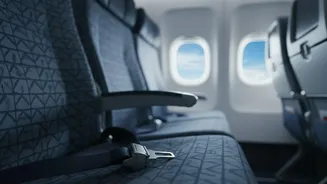
Flight crews are experts at navigating weather, but the unpredictable nature of CAT means the seatbelt sign is not a foolproof guarantee of a smooth ride. Pilots turn on the sign when they anticipate rough air based on weather reports or are flying through storm systems. But since they can't see CAT, the sign may remain off right up until the moment severe turbulence hits. This is the critical window of risk. Aviation authorities like the Federal Aviation Administration (FAA) strongly recommend that passengers keep their seatbelts fastened at all times while seated, regardless of whether the sign is illuminated. The overwhelming majority of injuries from turbulence occur when passengers and crew are not buckled in and are thrown about the cabin during a sudden event.
The Simple Habit That Guarantees Your Safety
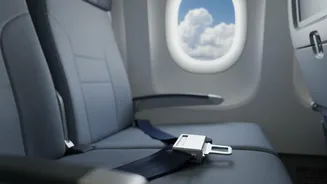
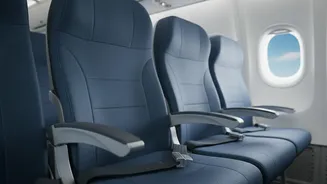
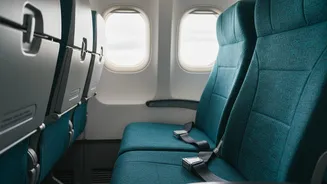
It seems obvious, yet many travellers unbuckle as soon as the sign goes off for comfort or to move around. The key is to make wearing your seatbelt a default habit. When seated, the belt should always be on. If you need to sleep or want more comfort, loosen the strap slightly, but never unbuckle it completely. The belt should be worn low and snug across your hips, not your stomach, to ensure that in the event of an impact, the force is absorbed by your strong pelvic bones, not soft tissue. This simple act of vigilance takes no effort but provides a powerful layer of protection against unexpected events. It also helps to keep carry-on luggage stowed securely and to pay attention to all crew instructions, but the seatbelt remains your single most effective personal safety device.
A Bumpier Future for Air Travel?
Recent studies suggest that these incidents may become more common. Research from the University of Reading indicates that climate change is strengthening the wind shear in jet streams. One study found that the annual duration of severe clear-air turbulence over the busy North Atlantic route increased by 55% between 1979 and 2020. As global temperatures continue to rise, scientists predict a potential doubling or tripling in the amount of severe turbulence in the coming decades. This makes the personal habit of keeping your seatbelt fastened not just a good idea, but an increasingly essential practice for safe and responsible air travel in the modern era.