




The Monsoon Produce Challenge
The rainy season creates a perfect storm for food safety issues. The combination of high humidity and ambient warmth is an ideal breeding ground for bacteria, fungi, and mould. This means fresh produce is more susceptible to spoilage, both during transport
and at the market. Furthermore, heavy rains can lead to waterlogging and contamination of crops and water sources, increasing the risk of foodborne illnesses like gastroenteritis, cholera, and typhoid. Understanding these environmental factors helps explain why extra vigilance is needed when buying vegetables during this time.
Scout for a Clean Vendor
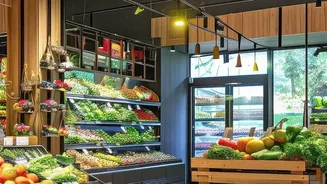
Your first line of defence is choosing where you shop. A clean vendor is more than just a tidy-looking stall; it’s about observing their practices. Look for vendors who display their produce on a raised platform or table, not on the ground where it can come into contact with dirty rainwater and foot traffic. Check if the vendor themself maintains good hygiene—clean hands and clean cutting tools are a good sign. A reputable seller will also be transparent about where their produce comes from and won't hesitate if you want to inspect items closely. Avoid stalls with standing water around them or where produce is piled up without any protection from the elements.
Why a Dry Display is Crucial
Moisture is the enemy of fresh produce, especially during the monsoon. When vegetables are kept in large, wet piles, it traps humidity and accelerates decay. Look for vendors who keep their displays relatively dry and well-ventilated. Produce should not be sitting in puddles of water. Bagged greens, in particular, should be checked for excess moisture inside the bag, which can turn them slimy quickly. A dry display shows that the vendor understands the importance of preventing spoilage and is actively taking steps to maintain the quality of their goods. Don't be tempted by vendors who continuously spray their vegetables with water to make them look fresh; this practice can actually promote bacterial growth.
How to Inspect Your Vegetables
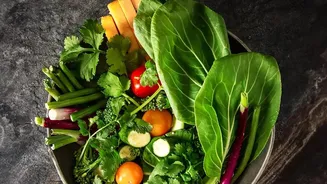
Get hands-on with your selections. For leafy greens like spinach and coriander, look for vibrant, crisp leaves and avoid anything that is wilted, yellowing, or has dark spots. For hard vegetables like gourds (lauki, turai), carrots, and beets, the skin should be firm, smooth, and free of bruises or soft spots. Potatoes and onions should be dry and firm, without any sprouting or dark patches. Give produce a gentle smell; it should smell fresh and earthy, not musty or sour. It is generally advisable to avoid pre-cut fruits and vegetables, as the exposed surfaces are more prone to contamination.
Smart Shopping and Storage Habits
During the monsoon, it’s wise to adjust your shopping frequency. Instead of buying in bulk, purchase smaller quantities of vegetables every two to three days. This ensures you are always cooking with the freshest ingredients and reduces the chance of spoilage at home. Once you bring your produce home, proper storage is key. Don't wash vegetables until you are ready to use them, as lingering moisture can shorten their shelf life. Wipe them dry with a clean cloth. Leafy greens can be wrapped in paper towels to absorb excess moisture before being stored in the refrigerator. Root vegetables like potatoes and onions should be kept in a cool, dark, and dry place, away from each other.