




The Social Media Fantasy
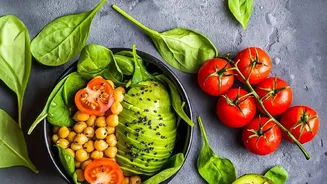
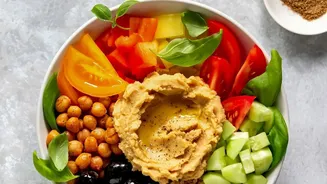
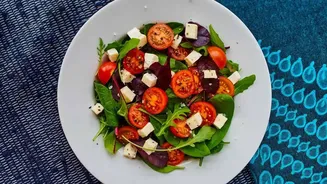
Scroll through hashtags like #MediterraneanDiet on Instagram or TikTok, and you'll find a visual feast. There are artfully arranged bowls of colourful salads, perfectly grilled fish drizzled with golden olive oil, and rustic loaves of bread next to generous
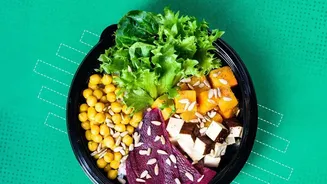
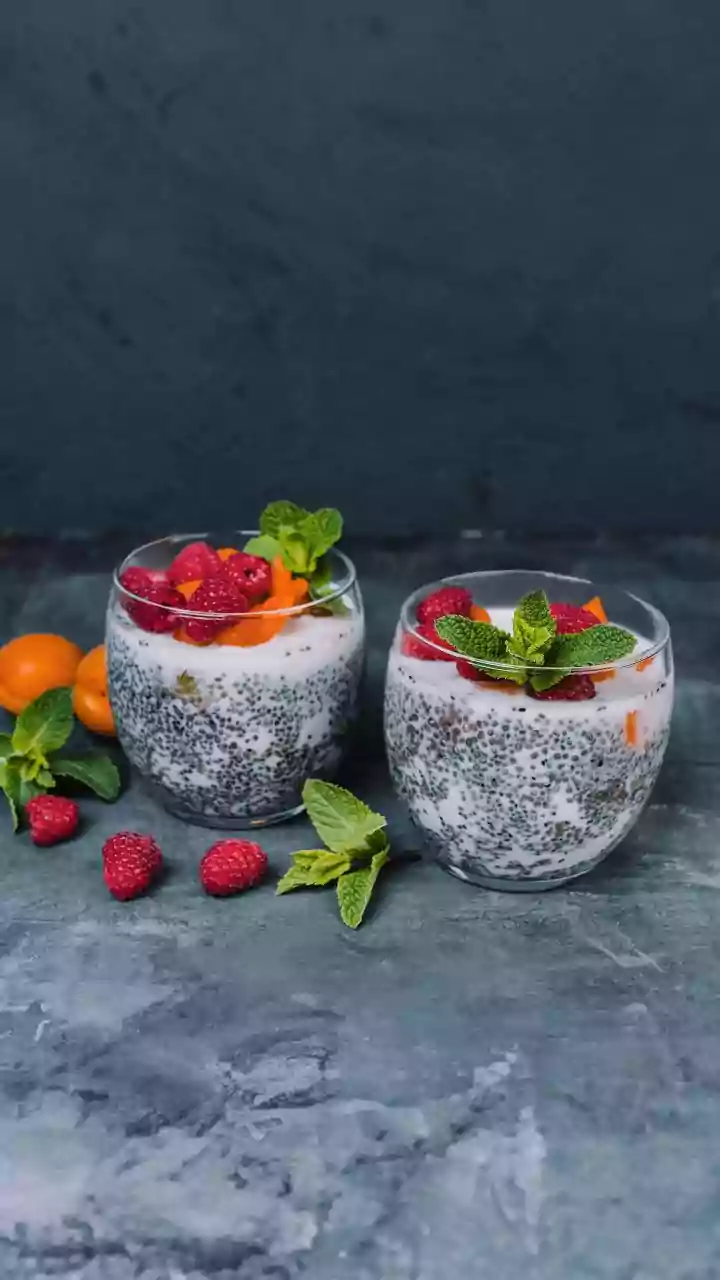
platters of cheese. The lighting is perfect, the ingredients look expensive, and every meal seems like a five-star creation. This is the social media version of the Mediterranean diet: an aspirational, highly aestheticised trend. The problem is that this portrayal often creates a misleading illusion, conflating regional cuisine with the evidence-based eating pattern and promoting an unrealistic standard. Many posts tagged with the diet are more about culture or travel, showcasing foods like red meat and sweets that aren't core to the diet's health principles.
Myth: It’s All About Pasta, Bread, and Cheese
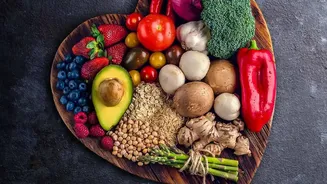
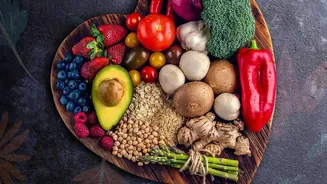
Many viral posts focus heavily on photogenic carbohydrates and dairy. You might see large portions of pasta, overflowing cheese boards, and creamy sauces that look delicious but misrepresent the diet's core principles. While these foods can be part of the diet, they are not the foundation. The reality is that the traditional Mediterranean diet is primarily a plant-based eating pattern. It emphasizes an abundance of vegetables, fruits, whole grains, legumes, and nuts. Cheese and yogurt are consumed daily, but in moderate amounts, and refined carbohydrates like white bread or pasta are limited. The focus is on whole, minimally processed foods, not heaping plates of refined carbs.
Myth: Every Meal Is a Flawless Masterpiece
The pressure to create Instagram-worthy meals can make any eating plan feel daunting. Influencer posts often suggest that following the Mediterranean diet requires complex recipes, rare ingredients, and significant time and effort. This can create a sense of food elitism, suggesting the lifestyle is only for those who can afford or have time for such elaborate preparations. However, the authentic Mediterranean way of eating is built on simplicity. It favours fresh, seasonal, and local products prepared with simple cooking methods. It's not about creating a perfect photo but about enjoying whole foods as they are. Fad diets often promise rapid results with strict rules, but the Mediterranean diet is a sustainable lifestyle, not a quick fix.
Myth: Drown Everything in Olive Oil
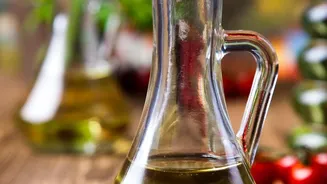
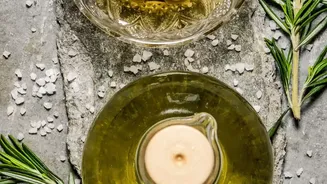
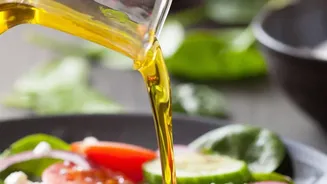
Olive oil is rightly celebrated as the principal source of fat in the Mediterranean diet. On social media, this often translates into videos of people generously, almost excessively, pouring it over every dish. While extra virgin olive oil is a cornerstone filled with healthy monounsaturated fats, the principle is about using it as your primary fat source, not using it in limitless quantities. The diet is about balance. Over-consuming any single ingredient, even a healthy one, can throw off the nutritional balance. Some influencers have been criticized for Westernizing the diet, either by recommending minuscule amounts of oil or by promoting an over-the-top usage that misses the point of moderation.
The Missing Elements: Lifestyle and Community
Perhaps the biggest distortion is that a single photo of a meal can never capture the full picture. The Mediterranean diet isn't just a list of foods; it's a lifestyle. This includes regular physical activity and, importantly, the social aspect of eating. Meals are traditionally enjoyed with family and friends, fostering community and a mindful approach to eating. Social media, by its nature, isolates the food from its cultural and social context. It turns a communal, holistic practice into a solitary, performative act. This narrow focus on just the food can contribute to an unhealthy fixation on 'clean' eating, a phenomenon known as orthorexia, where an obsession with healthy food negatively impacts one's well-being.