




A Spectacle of Blue and Gold
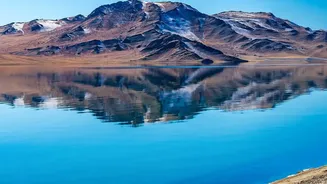
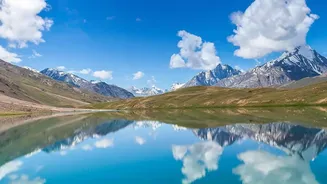
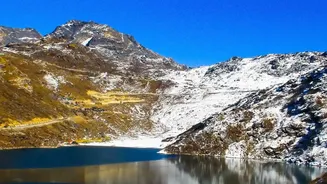
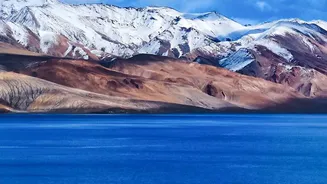
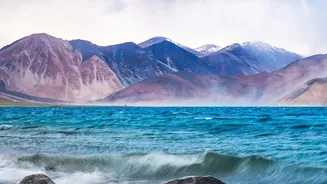
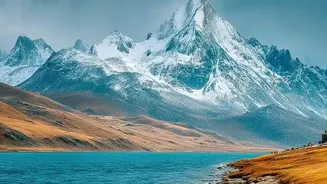
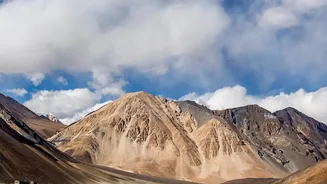
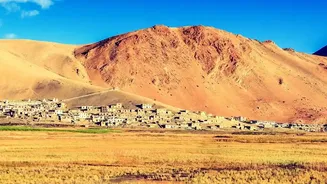
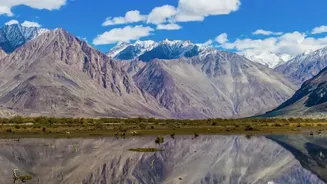
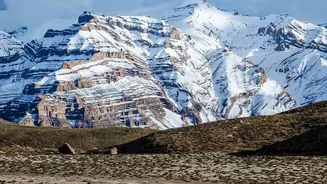
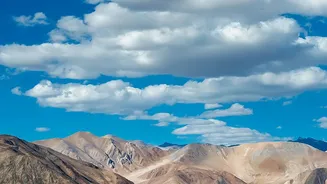
At an elevation of over 4,500 metres, Tso Moriri is the largest high-altitude lake entirely within Indian territory. Its surreal beauty comes from the stark contrast between its deep blue waters and the arid, golden-brown mountains that cradle it. Spanning
nearly 19 kilometres in length, the lake's colours shift throughout the day, from a gentle turquoise in the morning to a profound sapphire by afternoon. Unlike more accessible tourist spots, Tso Moriri retains a sense of pristine isolation. The air is thin, the silence is broken only by the wind, and the landscape feels truly otherworldly, making it a paradise for photographers and nature lovers seeking tranquillity.
A Protected Haven for Wildlife
Tso Moriri is more than just a pretty sight; it's a designated Tso Moriri Wetland Conservation Reserve and the highest Ramsar site in the world. This protected status makes it a crucial habitat for a variety of high-altitude fauna. The lake is one of the most important breeding grounds for the bar-headed goose in India and a vital refuge for the endangered black-necked crane. Birdwatchers can spot over 34 species of birds here. In the surrounding Changthang plateau, it's not uncommon to see kiang (Tibetan wild ass) grazing, Himalayan marmots sunning themselves on rocks, and even the elusive Tibetan wolf or snow leopard for the exceptionally lucky.
The Journey and Essential Acclimatisation
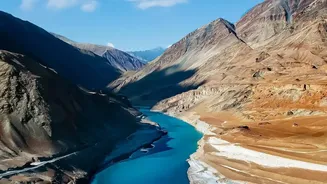
Reaching Tso Moriri is an adventure in itself, typically a 6-8 hour drive from Leh covering about 220 kilometres. The route takes you through spectacular landscapes, following the Indus River for a stretch before ascending into the remote Rupshu valley. However, the most critical aspect of this journey is acclimatisation. Given the extreme altitude, it is mandatory for tourists arriving by air in Leh to rest and acclimatise for at least 48 hours before heading to higher altitudes like Tso Moriri. Rushing this can lead to Acute Mountain Sickness (AMS), a serious health risk. A well-paced itinerary is key to enjoying the destination safely.
Latest Update on Permits and Stays
For Indian tourists, the old system of Inner Line Permits (ILP) was abolished in 2021. However, you are still required to pay an environment and wildlife fee online through the official Leh administration portal before your visit. It's crucial to carry a printed receipt of this payment and a valid government-issued photo ID, as they will be checked at posts like the one at Mahe bridge. As for accommodation, all options are in and around Korzok, the only village on the lake's shore. These range from basic but warm family-run homestays offering an authentic taste of the local Changpa nomadic culture, to guesthouses and seasonal tented camps. Direct camping on the lake's shore is strictly prohibited to protect the fragile ecosystem.
Visiting Responsibly in a Fragile Land
The surreal beauty of Tso Moriri is incredibly fragile. The growing number of visitors poses challenges like garbage disposal and disturbance to wildlife. As a visitor, you play a vital role in its preservation. Follow the 'leave no trace' principle by carrying all your waste back with you. Do not use disposable plastics. Stay on designated tracks and avoid driving near the water, which can disturb nesting birds. Respect the local culture of the Changpa people and the sanctity of the Korzok Monastery. Opting for homestays directly supports the local community and promotes sustainable tourism, ensuring this pristine landscape remains for generations to come.