

More Than Just a Momo
The momo has successfully travelled from the hills of the Northeast and the Himalayas to become a pan-Indian street food obsession. This widespread popularity, however, has inadvertently created a monolithic view of the region's cuisine, reducing a complex
food culture to a single, albeit popular, dish. To equate the entire culinary landscape of eight distinct states with just momos is like saying all of South Indian food is just idli sambar. The reality is that the food of Assam, Nagaland, Manipur, Mizoram, Meghalaya, Tripura, Arunachal Pradesh, and Sikkim is a vibrant mosaic of flavours, techniques, and ingredients that are as diverse as the communities who live there.
The Pillars: Fermentation, Smoke, and Spice
At the heart of many Northeastern cuisines are three key elements: fermentation, smoking, and a judicious use of chillies. Fermentation is not just a preservation method but a cornerstone of flavour. Ingredients like 'axone' or 'akhuni' (fermented soybeans) from Nagaland, 'ngari' (fermented fish) from Manipur, and 'tungrymbai' from Meghalaya add a powerful, pungent, umami depth to dishes that is uniquely satisfying. Smoked meats, particularly pork and beef, are another staple, cured over kitchen fires to impart a deep, rich flavour that defines many regional curries and stews. And then there’s the heat. The region is home to some of the world's most potent chillies, including the famed Bhut Jolokia or Ghost Pepper. This spice is used not for gratuitous fire, but to create a complex, layered heat that complements the earthy and fermented notes of the food.
A Different Philosophy of Cooking
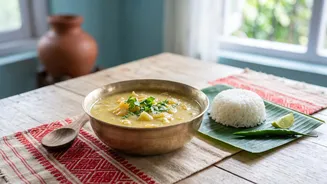
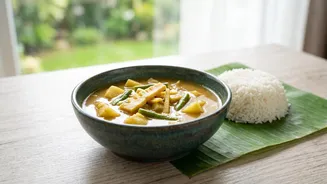
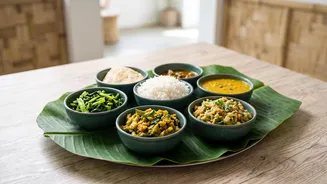
One of the most significant departures from mainstream Indian cooking is the minimal use of heavy spices and oil. The focus is on highlighting the natural flavours of fresh, local ingredients. Cooking methods often favour boiling, steaming, and stewing over heavy frying. A typical meal might consist of steamed rice, a simple boiled vegetable dish, a meat or fish preparation, and a pungent chutney. This approach results in food that is often described as clean, healthy, and deeply connected to the land. In Assam, you might find a tangy 'masor tenga' (sour fish curry), while in Manipur, a fresh and vibrant salad called 'singju' is popular. Mizoram's cuisine often features boiled and less spicy preparations, showcasing the pure taste of the ingredients.
A New Wave of Culinary Ambassadors
For years, the unique aromas of ingredients like fermented bamboo shoot and axone were misunderstood in other parts of India. However, a cultural shift is underway. A new generation of chefs and home cooks from the Northeast are becoming culinary ambassadors, proudly showcasing their heritage in major cities. Through pop-ups, modern restaurants, and social media, they are educating palates and challenging stereotypes. Chefs are finding creative ways to introduce these bold flavours, turning a pork brain salad into a crostini or using axone to create a powerful spice rub. Restaurants in cities like Delhi, Mumbai and Bengaluru are now dedicated to serving authentic regional thalis, finding an eager audience ready to explore beyond the familiar.