







A Gentle Workout in the Open
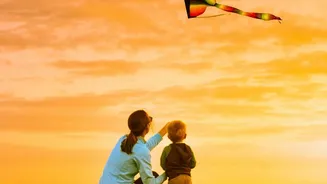
Kite flying is a fantastic form of light physical activity that often feels more like play than a workout. The simple acts of walking or running to launch the kite, adjusting its path, and reeling it in provide a gentle, low-impact exercise suitable for all
ages and fitness levels. This activity helps improve cardiovascular health, coordination, and strengthens upper body muscles without putting excessive strain on the joints. In an age dominated by screens, it offers a compelling reason to step away from indoor distractions, get your body moving, and enjoy the outdoors.
A Breath of Fresh Air for Your Mind
The mental health benefits of flying a kite are just as significant as the physical ones. The act of focusing on the kite as it soars requires concentration, pulling you into the present moment in a form of active mindfulness. This focus helps quiet a busy mind, reducing feelings of stress and anxiety. Watching a kite dance against the vast blue sky can be incredibly calming and meditative. Spending time outdoors in green spaces has been proven to lower stress hormones, improve mood, and boost overall mental clarity, making kite flying a holistic activity for your well-being.
A Rich Cultural Tradition
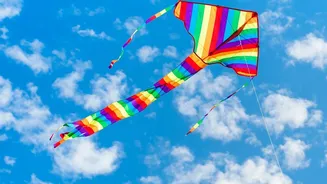
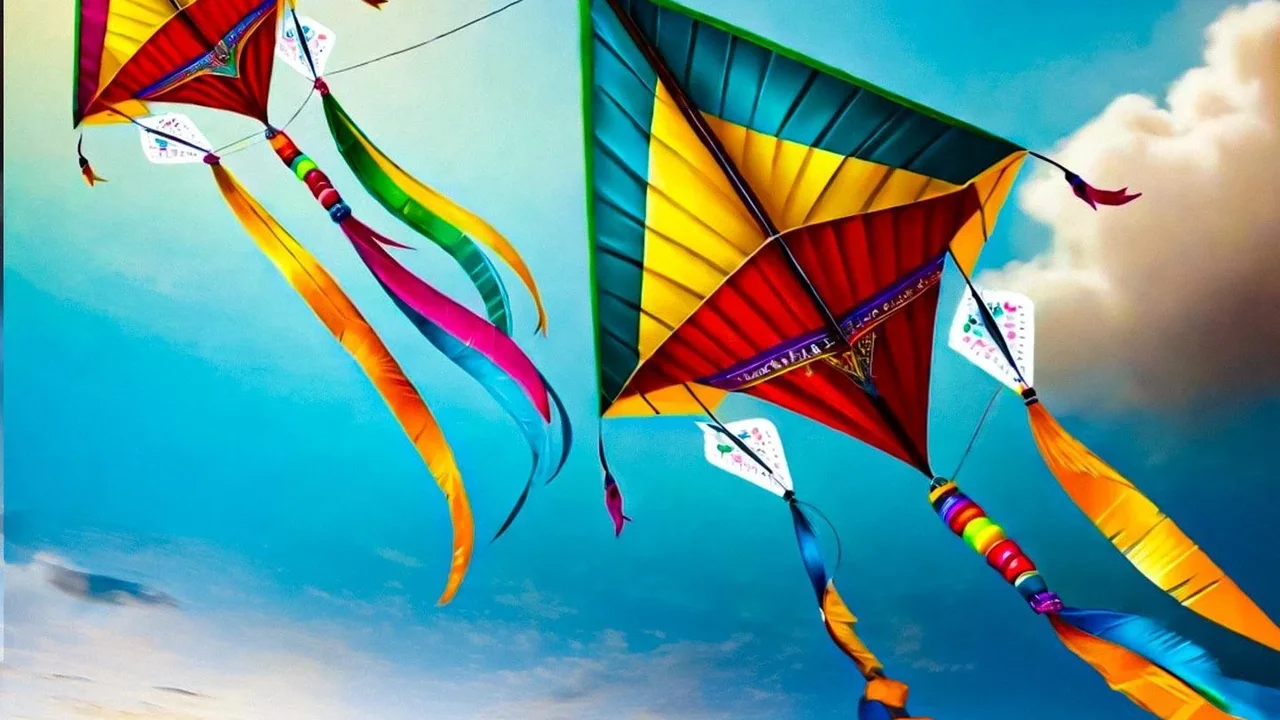
In India, kite flying, or 'patangbazi', is deeply woven into the cultural fabric. The tradition is most vibrantly displayed during festivals like Makar Sankranti (also known as Uttarayan), which marks the sun's northward journey and the end of winter. On this day, skies across the country, especially in states like Gujarat and Rajasthan, become a canvas of colourful kites. This celebration symbolises joy, freedom, and gratitude to the sun. The friendly competitions to 'cut' other kites strengthen community bonds and create lasting memories, turning a simple hobby into a shared cultural spectacle.
How to Get Started
Getting started with kite flying is simple. First, find a suitable location like a large park, beach, or open field, well away from trees, buildings, and power lines. The ideal wind is a steady breeze, strong enough to rustle leaves but not a powerful gale. For beginners, a single-line kite is the easiest to handle. To launch, stand with your back to the wind and have a friend hold the kite about 50 feet away, facing you. As they release it into a gust, pull the line taut and walk backward, letting the string out as the kite climbs. The higher it goes, the steadier the wind, and the easier it becomes to fly.