






A Safer, More Secure City
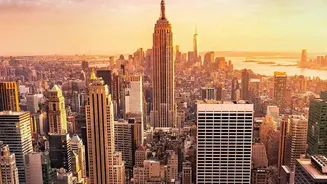
The foundation of New York's rise is a remarkable improvement in public safety. Recent data shows a city enjoying its safest summer in recorded history, with significant drops in major crimes. Murders and shooting incidents have fallen to historic lows,
not just for a month or two, but as part of a sustained eight-month trend. These results stem from a multi-pronged strategy that goes beyond traditional policing. Targeted violence reduction plans in specific zones have proven highly effective, and the city has seen record low violent crime in the subway system, with zero murders or shootings in August 2026. This renewed sense of security on streets and in transit has been fundamental to improving the daily experience for millions, creating a stable environment where other renewal efforts could take root.
An Economic Engine Firing on All Cylinders
New York's economy has not only recovered but has diversified and strengthened. While Wall Street remains a powerhouse, with stock exchange member firms seeing profits jump 66% year-over-year in the second quarter, the city's growth is much broader. Venture capital funding is surging, with companies raising over $21 billion so far in 2026, more than double the same period last year, signaling massive investment in tech and innovation. This boom is creating jobs, with private sector employment growing faster than the national average and unemployment seeing consecutive monthly declines. This robust economic activity, coupled with a commercial real estate market showing renewed strength, has provided the financial resources and job opportunities essential for a high quality of life.
Tackling the Housing Crisis Head-On
For decades, the biggest threat to livability in New York was the cost of housing. The city's 2026 ranking is a direct result of aggressive and innovative housing policies. A massive plan to build 200,000 new affordable homes and preserve another 200,000 is underway. Recognizing that bureaucracy is a key obstacle, the city launched the 'SPEED' initiative to slash development timelines, potentially cutting two years off projects that require zoning changes. Reforms like the 'City of Yes' plan are unlocking new housing potential by allowing for Accessory Dwelling Units (ADUs) and promoting office-to-residential conversions. Furthermore, a new law gives individual buyers a 90-day exclusive window to purchase 1-2 family homes before large institutional investors can make offers, a direct attempt to level the playing field for everyday New Yorkers.
A Greener, More Breathable Future
A key part of the city’s transformation has been its commitment to environmental sustainability. Under ambitious plans like PlaNYC, the city is working to significantly cut transportation and building emissions. Initiatives to get polluting trucks off the streets, prioritize public transit, and make cycling and walking safer are creating a cleaner, more pleasant urban environment. The City Council has passed legislation to study and increase green space in underserved communities, ensuring that the benefits of a greener city are distributed equitably. This focus is creating a powerful green economy, projected to support nearly 400,000 jobs by 2040, embedding sustainability into the city’s economic fabric. With Climate Week NYC turning the city into a global hub for climate action, New York is leading by example.
Cultural Life for All Five Boroughs
The soul of New York has always been its culture, and its resurgence has been vital. Broadway is back with a packed 2026 season full of new musicals and star-studded plays, signaling the health of the city's premier cultural draw. But the revival extends far beyond Times Square. The city is actively promoting free and accessible cultural experiences, from outdoor concerts at Rockefeller Center to free theater events in parks across the boroughs. This approach democratizes the arts, ensuring that the city's vibrant cultural scene is not just a tourist attraction but a lived reality for residents in every neighborhood. This broad-based cultural investment reinforces community ties and contributes to the overall sense of well-being that defines a truly livable city.