







The Viral Video That Sparked a Firestorm
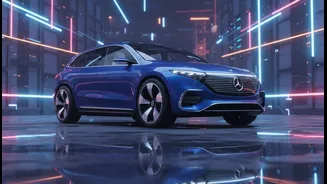
The latest chapter in the ongoing E20 fuel saga began not in a lab or a government office, but on YouTube. Popular vlogger Sourav Joshi posted a video claiming the fuel efficiency of his Mercedes-Benz SUV had plummeted from roughly 17 kilometres per litre
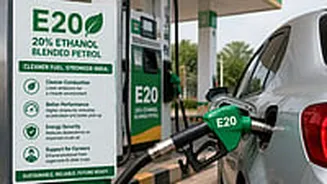
to a startling 5 km/l. He attributed this drastic drop to the now-standard E20 blended petrol. In the video, which quickly amassed millions of views, Joshi expressed anxiety about potential long-term engine damage, stating, "I don't know when this car will break down... Nowadays I'm so scared of refilling petrol." The claims from a high-profile personality immediately resonated with a public already anxious about the transition to E20 fuel, a blend of 20% ethanol and 80% petrol.
Mercedes-Benz Issues a Swift Clarification
As the video fanned the flames of online debate, Mercedes-Benz India moved to contain the narrative. While not mentioning Joshi by name, the company released a formal "Customer Advisory" on its social media channels. The statement was clear and direct: "All Mercedes-Benz petrol BS VI vehicles are materially compatible with E20 fuel and certified accordingly by relevant authorities." By emphasising that its modern vehicles are engineered for the new fuel standard, the luxury carmaker aimed to reassure its customer base and delink its brand from the performance issues alleged in the viral video. The company reiterated its commitment to customer safety, vehicle reliability, and performance, effectively drawing a line under the speculation.
The Bigger Picture: India's E20 Mandate
The incident brings a premium brand into a much wider national conversation. The Indian government is aggressively promoting E20 fuel as a cornerstone of its energy policy. The goals are to reduce the country's heavy reliance on imported crude oil, lower carbon emissions, and provide economic support to the agricultural sector, particularly sugarcane and maize farmers. However, the rollout has been met with persistent consumer concerns, ranging from reduced mileage to fears of engine damage, especially in vehicles manufactured before the E20 mandate. Experts note that while ethanol has a lower energy density than petrol—meaning a minor mileage drop of 3-5% is normal—a catastrophic fall like the one alleged points to other potential issues like mechanical faults or even fuel adulteration.
What Should Car Owners Know?
For the average car owner, the key takeaway is information. All vehicles sold in India since April 2023 are required to be E20-compliant under BS6 Phase 2 regulations. For owners of older vehicles, the situation requires more attention. While many manufacturers, including Maruti Suzuki, have stated that their older E10-compatible cars have been tested on E20 without significant issues, compatibility is not guaranteed for all older models. The government has dismissed widespread damage claims as misinformation, citing extensive testing before the rollout. Concerns about insurance have also been addressed, with major insurers clarifying that using E20 fuel, even in older cars, does not automatically void policies.