





Understanding the Basics
Before diving into specific systems, it is essential to ask two key questions. First, can you drill into the wall you want to use? Second, will the weight of the system, plants, and damp soil be supported by wall anchors or will it rest on the floor?
Answering these will immediately narrow down your options. A fully saturated living wall can be surprisingly heavy, sometimes weighing up to 20 kilograms per square metre or more, so the structural integrity of your wall is crucial. Always ensure the surface is waterproofed to prevent moisture damage over time.
Modular and Panel Systems
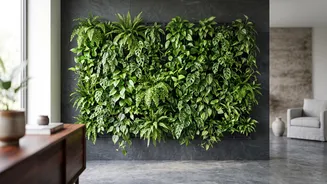
Modular systems are one of the most popular choices for creating a dense, seamless 'wall of green'. These systems use interlocking plastic or metal trays or panels that hold a growing medium like soil or a soilless mix. Each module holds one or more plants, and they are typically mounted onto a frame attached to the wall. This setup allows for great flexibility in design and makes it easier to replace individual plants if needed. Many modular systems come with integrated drip irrigation, which automates watering and ensures even moisture distribution, a crucial factor for plant health in a vertical setup.
Fabric Pocket Planters
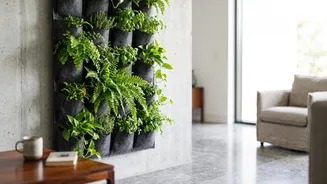
For a more lightweight and often more budget-friendly option, fabric pocket systems are an excellent choice. These consist of panels made from a sturdy, breathable felt material with multiple pockets sewn onto them. You simply fill each pocket with soil and a plant. The fabric allows for good aeration but can also mean water moves downwards, making lower pockets wetter than upper ones. These are easy to install and work well for both indoor and outdoor spaces, especially for those new to vertical gardening. Because they are lighter than rigid panels, they can be a better option for walls where weight is a concern.
Trellis and Cable Systems
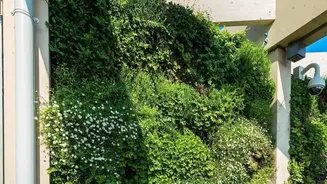
The simplest form of a vertical garden is a green façade, which uses climbing plants trained to grow up a support structure. This is achieved with a trellis, which can be made of wood or metal, or a more modern system of stainless-steel cables or mesh. The plants grow in containers at the base of the wall or directly in the ground, and their vines are guided up the structure. This method is ideal for outdoor spaces and is a lower-maintenance way to cover a large wall with greenery. Popular climbing plants in India like Bougainvillea or Money Plant are perfect for this type of system.
Freestanding and DIY Options
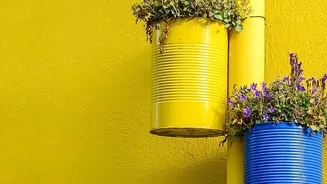
If you cannot drill into your walls, freestanding systems are the perfect solution. These structures stand on their own and can be placed anywhere, functioning as green room dividers or statement pieces. They come in various forms, including tiered towers and A-frame ladder planters. For the creative and budget-conscious, DIY options are plentiful. You can repurpose wooden pallets, rain gutters, or even wall-mounted kitchen containers to create a unique vertical garden. These projects allow you to customise the size and style to perfectly fit your space and aesthetic.
Choosing Plants for Your Wall
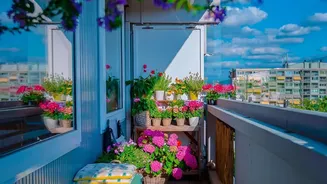
The success of your plant wall heavily depends on choosing the right species. For sunny outdoor walls in India, heat-tolerant plants like Portulaca and Vinca (Sadabahar) are excellent choices. For shaded indoor walls or balconies, low-light tolerant plants such as Money Plant (Pothos), Snake Plant, ferns, and Spider Plants thrive. Herbs like mint, basil, and coriander can also be grown successfully in vertical systems with adequate light. Consider the plant's mature size and root system to ensure it fits the chosen support structure.