



More Than Just One Green
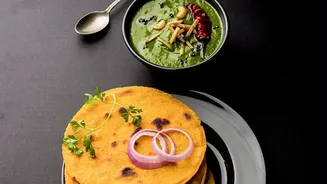
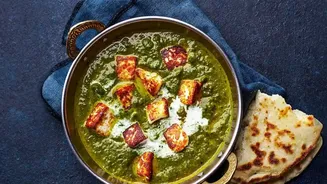
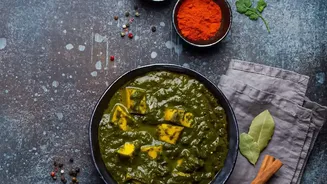
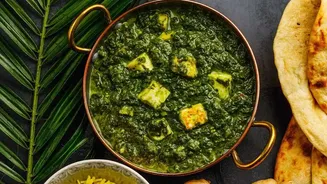
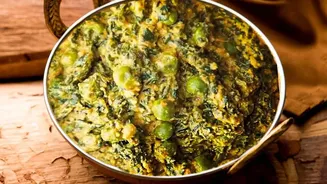
In India, 'saag' doesn't just mean spinach; it's a culinary category for dishes made from a wide variety of leafy greens. The most famous is 'sarson ka saag' from Punjab, which uses pungent mustard greens as its base. However, recipes across the country
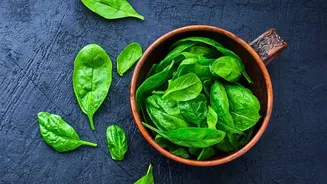
incorporate a mix of leaves like spinach (palak), fenugreek (methi), and bathua (chenopodium). Often, multiple greens are combined to create a more complex flavour profile, balancing the spicy notes of mustard, the earthiness of spinach, and the slight bitterness of others. This variety is not just for taste—it also diversifies the dish's nutritional offerings.
A Nutritional Powerhouse
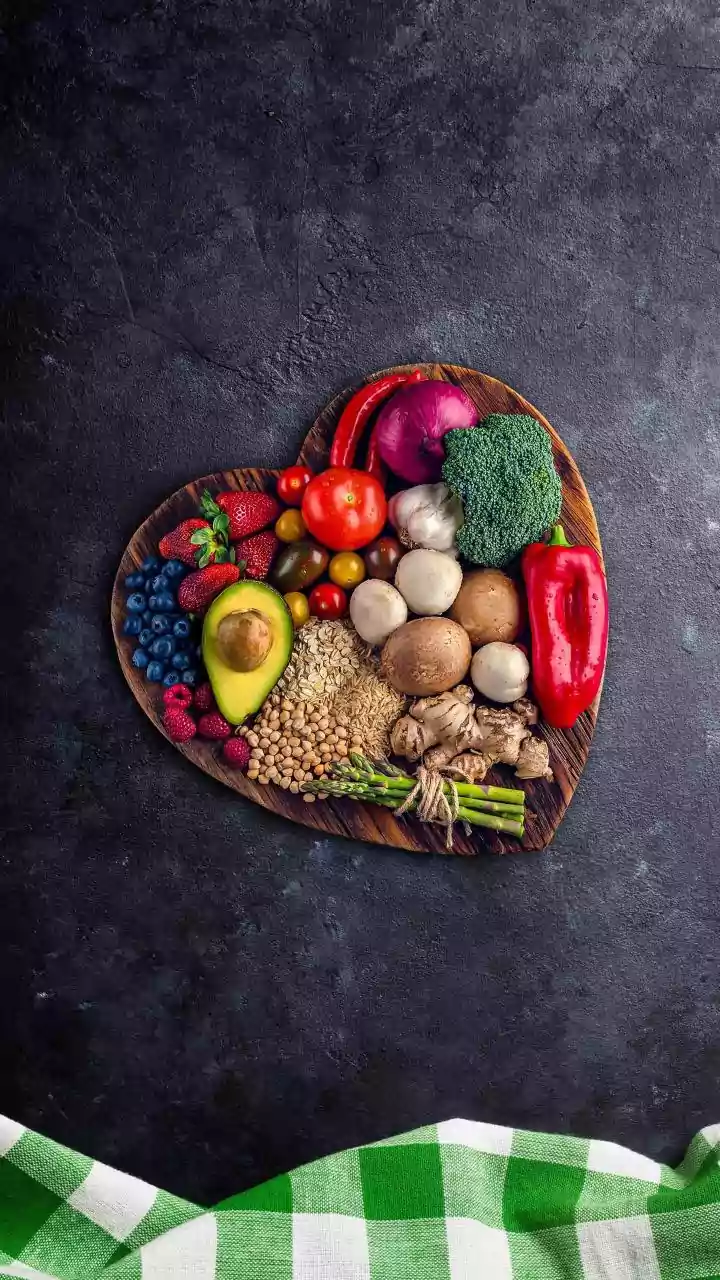
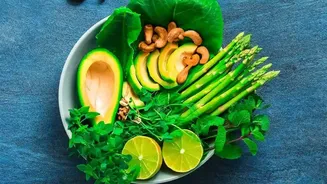
Leafy greens are some of the most nutrient-dense foods available. Saag is packed with essential vitamins like A, C, and K, which are vital for vision, immune function, and bone health. It's also a great source of minerals such as iron, calcium, and potassium. The high dietary fibre content aids digestion, promotes gut health, and helps you feel full longer, making it a great component of a weight management plan. While traditionally prepared with ghee or butter—which can add calories but also helps the body absorb fat-soluble vitamins like A and K—the greens themselves are low-calorie and incredibly healthy.
The Science of the Simmer
The magic of saag happens during cooking, as tough, fibrous leaves transform into a tender puree. This change is all down to plant cell structure. Raw greens are firm because their rigid cell walls, made of cellulose and hemicellulose, are held together by a natural glue called pectin. When you apply heat, two things happen. First, the cells lose water, causing the leaves to wilt. Second, the heat begins to break down and dissolve the pectin. This weakening of the 'glue' allows the cells to separate, and the once-rigid structure collapses, resulting in a soft, much more palatable texture.
From Crisp to Creamy
The textural journey from raw leaf to creamy saag is a process of controlled breakdown. The initial crispness of fresh leaves is due to water pressure within the cells, known as turgor. As cooking begins, this water is released, and the leaves wilt dramatically, shrinking in volume. With continued simmering or pressure cooking, the breakdown of pectin continues, softening the tough cellulose fibres. This is why slow-cooking often yields a more integrated and smoother saag; the extended time allows for a more thorough transformation. The final blending or mashing completes the process, creating that signature creamy consistency without necessarily needing a lot of cream.
Mastering the Method and Nutrients
The way you cook your saag affects not only its texture but also its nutritional value. Boiling is a common method, but it can cause water-soluble vitamins like vitamin C and some B vitamins to leach into the cooking water. If you boil your greens, using minimal water and repurposing that nutrient-rich liquid in the final dish is a smart way to retain those vitamins. Steaming and microwaving are generally better at preserving nutrients because they use less water. Research shows steaming, for example, helps maintain folate levels in spinach. For a tender texture, avoid adding acidic ingredients like tomatoes or lemon juice too early, as acids can toughen the cell walls and increase cooking time.