




A Cookie From a Bottle?
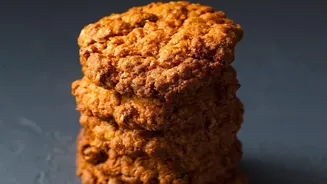
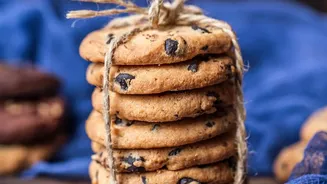
Researchers at Southern Illinois University Carbondale have developed a groundbreaking process that transforms inedible waste into food. Their proof of concept is a protein-rich cookie, dubbed µBites (pronounced 'microbites'), created from materials including
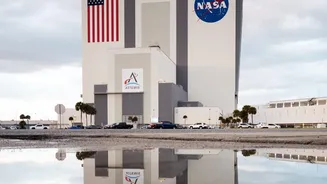
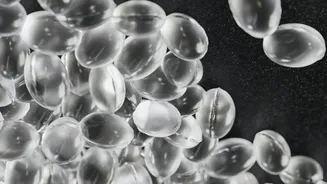
agricultural biomass like corn stalks and, remarkably, PET plastic—the kind used in water bottles. This project, born from a NASA challenge to create food in deep space, tackles two of Earth's biggest problems: plastic pollution and food scarcity, by treating one problem's output as the other's input. The core idea is simple but profound: plastic is made of carbon, and food is made of carbon. The goal is to rebuild those carbon molecules into something edible.
The Science of Transformation
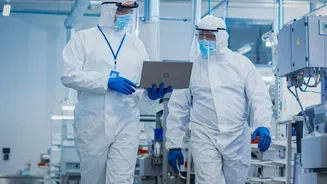
The process doesn't involve simply grinding up plastic. Instead, it's a sophisticated, multi-step biological transformation. First, the waste materials—both plant-based biomass and PET plastic—are broken down using a method called oxidative hydrothermal dissolution. This technique uses high temperature, pressure, water, and oxygen to deconstruct the tough materials into smaller, molecular pieces that microbes can access. Next, specially programmed yeasts are introduced. These are not your average baker's yeast; they have been genetically engineered to feast on the carbon-rich slurry. Different yeast strains are used to convert the broken-down molecules into new, useful food components like proteins, fats, and acids—the fundamental building blocks of food.
A Menu of Possibilities
The output from this microbial factory isn't just a single ingredient but a range of them. The primary product is a protein biomass. To make the concept cookie more appealing, researchers have engineered some yeasts to produce specific flavouring molecules. For instance, one strain can create vanillin, the compound responsible for vanilla's aroma, from the plant-based waste. Another can convert a byproduct of PET plastic into beta-carotene, a precursor to Vitamin A. To create the final cookie dough, this microbially-produced base is mixed with other traditional ingredients like starch, fiber, and sweeteners. The resulting paste is then extruded through a 3D printer to form the cookie shape before being cooked. Researchers envision this platform being used for much more than just cookies, with potential applications in milk and meat alternatives or animal feed.
The Bigger Picture: Food for Earth and Space
While the project was partly inspired by the needs of long-duration space missions to Mars, its implications for Earth are immense. With global food demand projected to rise significantly by 2050, innovative food sources are critical. This technology could provide nutrition in disaster zones, remote locations like Arctic research stations, or on submarines, where resupply is difficult. It represents a move toward a circular economy, where waste is not the end of a product's life but the beginning of a new one. By upcycling agricultural residues that would otherwise be discarded and even tackling plastic pollution, the µBites technology offers a vision of a more sustainable and resilient food system.
Hurdles on the Road to Your Plate
Before you start looking for plastic-derived cookies in your local supermarket, there are significant hurdles to overcome. The technology is still in the research phase. Although initial data suggests µBites are safe to eat, no one has actually tasted them yet, as the team is awaiting institutional approval for human taste tests. Early feedback on the cookie's aroma has been positive, with participants in a sniff-test saying they would eat it in resource-limited situations. The other major challenge is public perception. The idea of eating something derived from plastic, even if it's molecularly transformed and perfectly safe, is a major psychological barrier that will need to be addressed through transparency and education.