



The Eight-Minute Commute Is Here
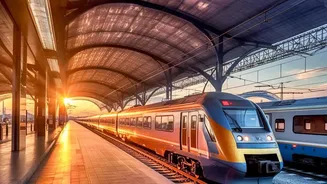
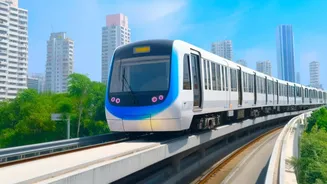
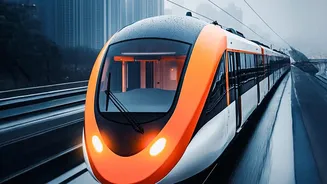
The headline-making eight-minute journey between Anand Vihar and Ghaziabad is now a reality thanks to new 'fast train' services introduced by the National Capital Region Transport Corporation (NCRTC). These are not regular services but limited-stop trains
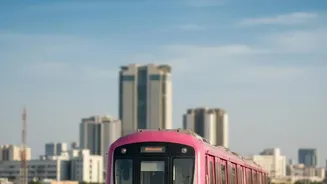
designed to slash travel time during peak morning and evening hours. By halting at only five major stations along the entire Delhi-Meerut corridor—Sarai Kale Khan, Anand Vihar, Ghaziabad, Begumpul, and Modipuram—these trains offer an unprecedented speed of travel for daily commuters. This express-style service supplements the regular Namo Bharat trains, which continue to operate at a frequency of every 10-15 minutes, serving all stations on the route. The standard trip between Anand Vihar and Ghaziabad, with a stop at Sahibabad, typically takes around 10 to 14 minutes, making the new eight-minute non-stop service a significant upgrade for those travelling between these two major hubs.
Understanding the RRTS Revolution
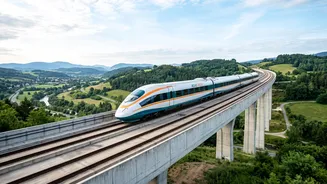
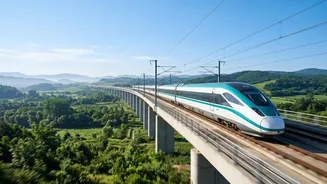
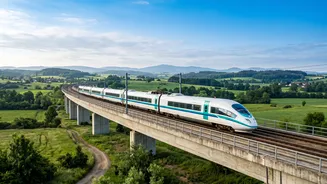
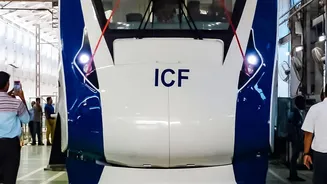
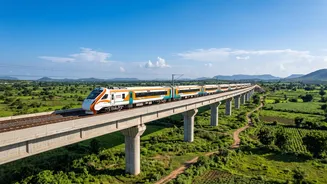
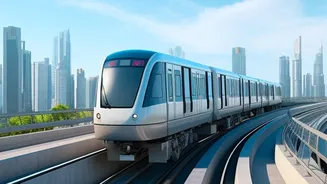
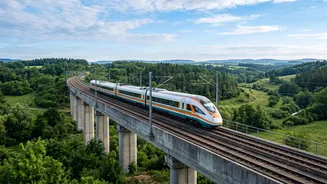
The Namo Bharat trains are the face of India's first Regional Rapid Transit System (RRTS), an ambitious infrastructure project designed to connect major urban centres across the NCR. Unlike a traditional metro system, which is built for travel within a city, the RRTS is engineered for regional connectivity. It features higher speeds, fewer stops, and a greater carrying capacity to make inter-city travel faster and more efficient. The Delhi-Ghaziabad-Meerut corridor is the first of eight planned RRTS corridors. With a design speed of 180 km/h and an operational speed of 160 km/h, the Namo Bharat trains are the fastest transit system in the country. The goal is to shrink the vast NCR, making it possible to live in a suburban town and commute to a job in the capital in under an hour, thereby reducing pressure on Delhi's infrastructure and improving quality of life.
A World-Class Travel Experience
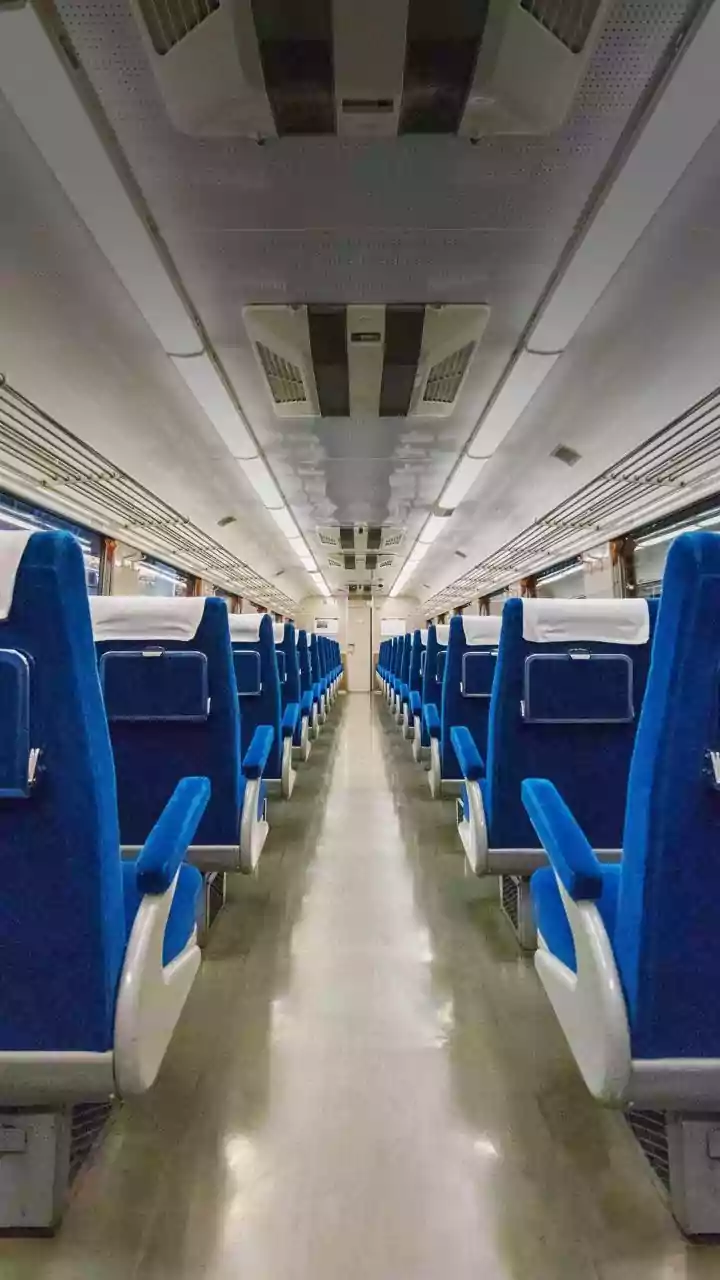
The travel experience on the Namo Bharat trains has been designed to be a significant upgrade from conventional public transport. The six-coach, air-conditioned trains feature comfortable 2x2 seating, ample legroom, and overhead luggage racks. Recognising the needs of modern commuters, the trains are equipped with onboard Wi-Fi and charging points for every passenger. A key feature is the inclusion of a 'Premium' coach in every train, which offers wider, reclining seats and access via a separate lounge at the platform level, catering to business travellers. Each train also has a coach reserved exclusively for women. Safety is paramount, with CCTV cameras throughout, platform screen doors at every station to prevent accidents, and an emergency communication system to connect passengers with the train operator.
More Than Just Speed
The impact of the RRTS extends far beyond reducing commute times. By providing a reliable and fast alternative to private vehicles, the system is expected to significantly reduce traffic congestion on major arteries like National Highway 9. This will, in turn, lead to a considerable reduction in air pollution, a critical issue for the NCR. Furthermore, the project is a catalyst for economic growth and balanced regional development. The areas around the RRTS stations are being developed as 'Transit-Oriented Development' (TOD) hubs, which will integrate commercial, residential, and recreational spaces. This is expected to boost real estate values and create new economic opportunities in cities like Ghaziabad and Meerut, transforming them from satellite towns into integrated economic centres of the NCR.
The Journey Ahead
The Delhi-Ghaziabad-Meerut RRTS corridor has been rolled out in phases. The first priority section from Sahibabad to Duhai Depot became operational in October 2023. Since then, additional sections have been progressively opened, culminating in the full 82-kilometre corridor becoming operational in early 2026. The introduction of the limited-stop fast services marks the next stage in optimising the corridor's efficiency, especially for long-distance commuters. With the entire route from Delhi's Sarai Kale Khan to Modipuram in Meerut now covered in under an hour, the RRTS is fulfilling its promise of redefining regional mobility. As daily ridership continues to grow, the success of this first corridor sets a powerful precedent for the other planned RRTS lines that will eventually crisscross the National Capital Region.