




What Exactly Are Tserkvas?
A tserkva is an Eastern Orthodox or Greek Catholic church, but the term has become synonymous with the unique wooden structures found throughout the Carpathian region. Built between the 16th and 19th centuries, these are not grand cathedrals of stone
and glass, but intimate, earthbound sanctuaries crafted from timber. In 2013, a group of sixteen of these remarkable churches—eight in Poland and eight in Ukraine—were jointly inscribed on the UNESCO World Heritage List, recognizing their exceptional cultural value. They represent a building tradition rooted in Orthodox design but interwoven with local folk traditions, creating a style that is entirely unique to this mountainous borderland.
An Architecture of Ingenuity
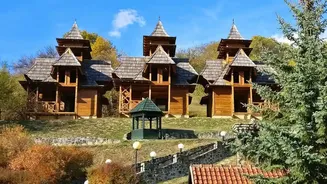
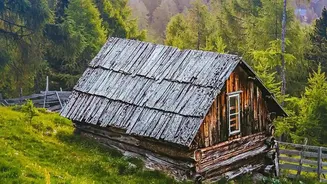
The design of a tserkva is a masterclass in carpentry. Builders used a horizontal log technique, often without a single metal nail, placing the structures on stone foundations to protect them from the damp ground. Most tserkvas follow a tripartite, or three-part, plan, symbolizing the Holy Trinity. This layout consists of the narthex (entrance hall), a wider central nave, and the sanctuary. Above, you won't find soaring Gothic spires. Instead, the skyline is defined by multi-tiered, shingled roofs and onion-shaped or octagonal domes, known as cupolas. These elements, along with intricate interior decorations and standalone wooden bell towers, give the tserkvas their distinctive and picturesque appearance.
The Hands and Hearts Behind the Churches
These churches were the spiritual and communal heart of distinct ethnographic groups, including the Boyko, Lemko, and Hutsul peoples. Each group developed its own subtle variations on the tserkva form. Boyko churches, for example, often feature three-part structures where the central nave is the largest and is topped by the tallest dome. Lemko-style churches are known for their towers that gradually increase in height from east to west, creating a dynamic, rising silhouette. Living in relative isolation in the forested mountains, these communities used abundant local timber to create sacred spaces that reflected their identity, faith, and deep connection to the land. The resulting architecture is a testament to their exceptional craftsmanship and spiritual devotion.
A Legacy of Survival and Veneration
The survival of these wooden structures is nothing short of miraculous. For centuries, they have withstood harsh weather, political upheaval, and the risk of fire and decay. The displacement of the communities that built and maintained them after World War II posed one of the greatest threats, leaving many tserkvas to fall into disrepair. Their inscription as a UNESCO World Heritage site has brought global attention and reinforced conservation efforts. Today, most of these sites continue to serve their original purpose as active places of worship, connecting present-day congregations to centuries of tradition. Others have been preserved as museums, allowing visitors to step inside and marvel at the beautifully preserved iconostasis screens and painted interiors that tell stories of faith and folk art.