


Why the Monsoon Magnifies the Risk
The rainy season creates a perfect storm for foodborne illnesses. The high humidity and moisture in the air are ideal conditions for bacteria, viruses, and fungi to thrive and multiply. Water sources used for irrigation can become contaminated by heavy
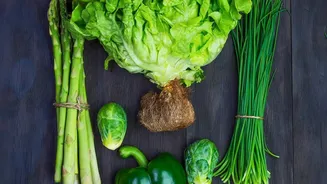
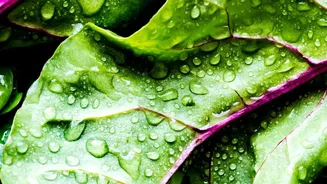
rainfall and poor drainage, introducing pathogens like E. coli and Salmonella to vegetable crops. This contamination can occur at the farm, in transit, or at local markets where unhygienic conditions may be exacerbated by the weather. Leafy greens, with their large surface area and many crevices, are especially vulnerable to trapping these harmful microorganisms, making them particularly risky to consume raw.
The Right Way to Wash Your Greens
Thorough washing is your first and most critical line of defence. Start by rinsing vegetables under clean, running water to dislodge loose dirt and some surface-level contaminants. For a more robust cleaning, a soak is recommended. You can create a simple and effective vegetable wash by soaking your produce for 10-15 minutes in a solution of either salt water or a mixture of one part white vinegar to three parts water. This helps to reduce microbial contamination. After soaking, rinse the vegetables again under running water to wash away any residual salt or vinegar taste. For produce with firm skins, using a vegetable brush is a good idea to scrub away stubborn dirt.
Handling Leafy Greens with Extra Care
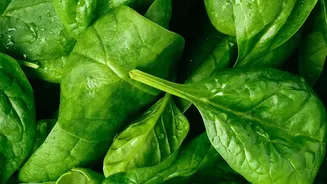
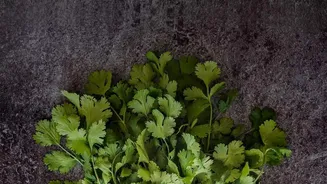
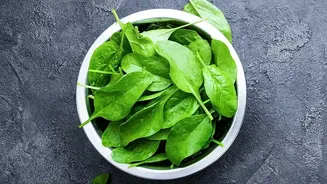
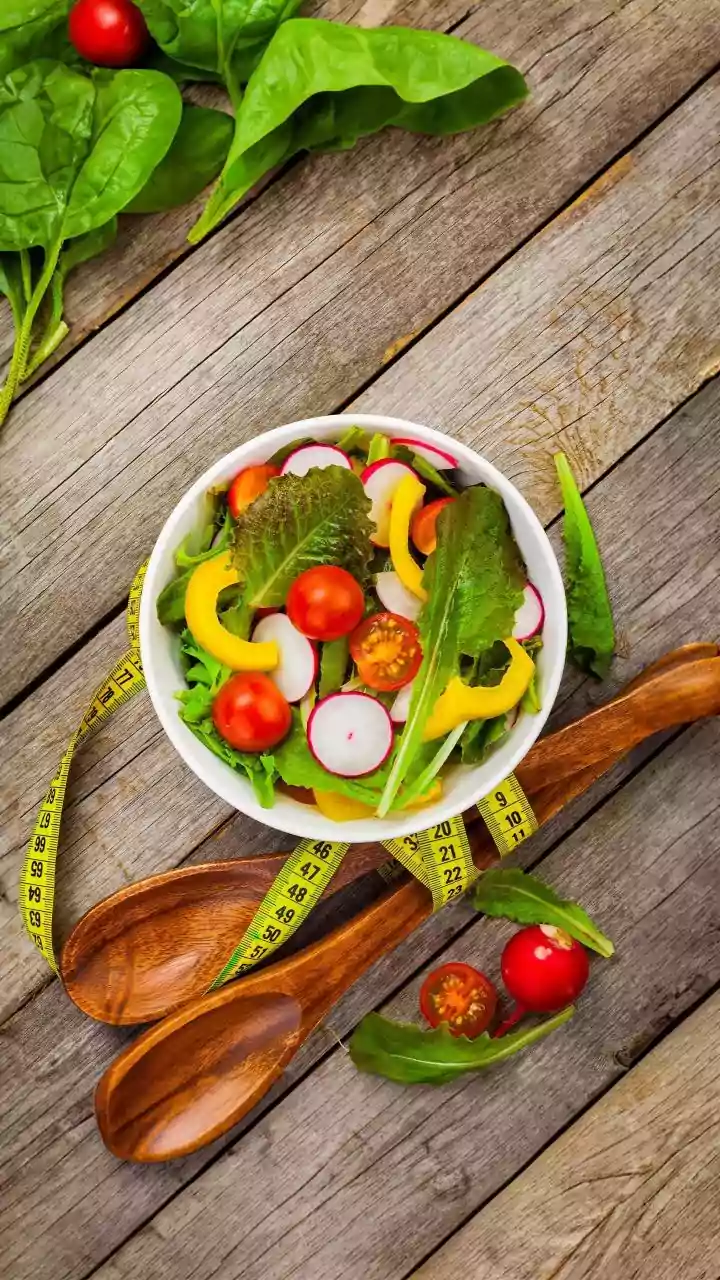
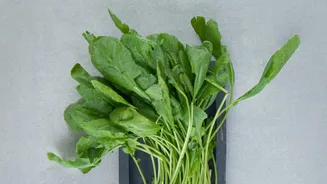
Leafy vegetables like spinach, lettuce, coriander, and cabbage require special attention because their structure makes them difficult to clean thoroughly. It's crucial to separate the leaves before washing to ensure water reaches every part. Soaking them, as described above, is particularly important. Some experts even suggest that during the peak of monsoon, it may be safer to consume leafy greens cooked rather than raw. If you do choose to eat them in a raw salad, ensure they are exceptionally fresh, sourced from a reliable vendor, and meticulously cleaned and dried. Avoid any leaves that are wilted, slimy, or have yellow spots.
Smart Storage is the Final Step
Proper storage is just as important as proper washing to prevent spoilage and re-contamination. The number one enemy of fresh greens after washing is excess moisture, which encourages bacterial growth. After washing, pat your vegetables completely dry using a clean cloth or a salad spinner. To store leafy greens, line an airtight container with a paper towel, place the dry greens inside, and add another paper towel on top before sealing. The paper towel absorbs any excess humidity. Store this container in your refrigerator's crisper drawer, ideally set to high humidity to prevent wilting. It is best to buy vegetables in smaller batches during the monsoon to ensure you are always using the freshest produce available.
Beyond Washing: Other Safety Measures
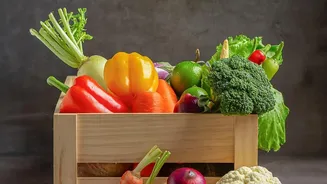
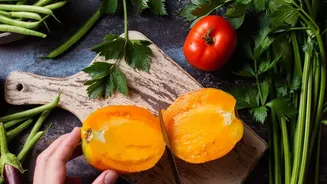
To further minimise risks, avoid buying pre-cut salads or fruits from outside vendors, as their hygiene standards and water sources are unknown. Always use separate cutting boards and utensils for raw vegetables and cooked foods to prevent cross-contamination in your own kitchen. When selecting produce, choose items that are firm, brightly coloured, and free from bruises, cuts, or signs of decay. And finally, a fundamental rule that always applies: wash your hands thoroughly with soap before preparing or eating any food. While some suggest avoiding raw salads entirely during this season, taking these careful steps can allow you to continue enjoying them safely.