





1. Cat-Cow Pose (Marjaryasana-Bitilasana)
This classic warm-up is a gentle way to awaken the spine and engage the core. The flowing movement between the two positions softly stimulates and strengthens the abdominal organs. By connecting your breath to the motion, you create a rhythm that massages
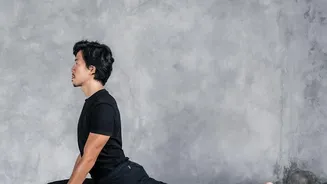
the abdomen, which can aid in digestive comfort and relieve tension in the back. To begin, position yourself on your hands and knees in a tabletop position, with wrists under your shoulders and knees under your hips. As you inhale (Cow Pose), drop your belly toward the mat, lifting your chin and chest to gaze upward. As you exhale (Cat Pose), draw your belly button toward your spine, rounding your back toward the ceiling and releasing the crown of your head down. Continue this fluid motion for several breaths, allowing the movement to originate from your tailbone.
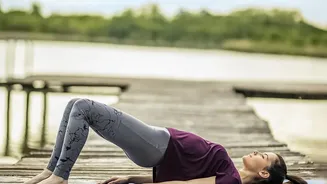
2. Bridge Pose (Setu Bandhasana)
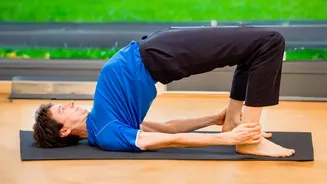
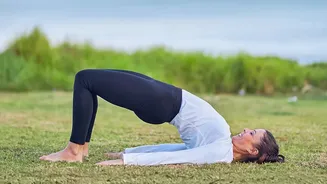
Bridge Pose is a gentle backbend that effectively strengthens the glutes, hamstrings, and core. By lifting your hips, you create a mild compression and then release in the abdominal region, which can stimulate circulation and digestion. It also strengthens the muscles supporting the spine, helping to improve posture and alleviate lower back tension. To practice Bridge Pose, lie on your back with your knees bent and feet flat on the floor, hip-width apart. Place your arms alongside your body with palms down. Press into your feet and arms to lift your hips toward the ceiling, making sure to keep your thighs parallel. Avoid lifting so high that you feel strain in your neck or lower back; the goal is to create a straight line from your shoulders to your knees. Hold for a few deep breaths before slowly rolling your spine back down to the floor.
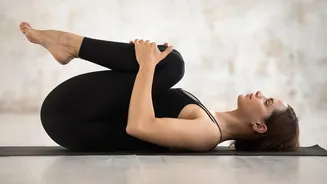
3. Wind-Relieving Pose (Pawanmuktasana)
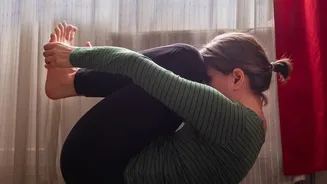
As its name suggests, this pose is excellent for addressing bloating and gas by gently massaging the abdominal organs, particularly the intestines. The gentle pressure of the thighs against the belly can help stimulate the digestive system and release trapped air. It also provides a soothing stretch for the lower back and hips. Lie on your back and, as you exhale, draw both knees toward your chest. Clasp your hands around your shins or the backs of your thighs. You can keep your head on the floor for a gentler version. For a slightly deeper abdominal engagement, inhale, and as you exhale, lift your head and chest off the floor, bringing your chin toward your knees. Hold for several breaths, then release. For a variation, practice with one leg at a time (Ardha Pawanmuktasana).
4. Supine Spinal Twist (Supta Matsyendrasana)
Twisting poses are highly regarded for their ability to aid digestion. The Supine Spinal Twist provides a gentle 'wringing out' action for the abdominal organs, which can help stimulate movement within the digestive tract and relieve discomfort from bloating. This restorative pose also releases tension in the spine, chest, and shoulders. Start by lying on your back. Hug your right knee into your chest, keeping the left leg extended. Extend your right arm out to the side at shoulder height. Use your left hand to gently guide your right knee across your body to the left. Keep both shoulders grounded on the mat as much as possible. Turn your gaze toward your right fingertips if it's comfortable for your neck. Hold for at least 30 seconds, breathing deeply into your side-body, before returning to the center and repeating on the other side.
5. Bird-Dog Pose (Dandayamana Bharmanasana)
This pose is a fantastic exercise for building core stability, balance, and coordination without putting stress on the back. It works the deep abdominal muscles, including the transverse abdominis, which acts like a natural corset for your spine. By extending the opposite arm and leg, you challenge your body to remain stable, thereby strengthening the entire core. Begin on all fours in a tabletop position. Engage your core by drawing your navel toward your spine, keeping your back flat. Simultaneously extend your right arm straight forward and your left leg straight back, creating a straight line from your fingertips to your heel. Keep your hips and shoulders square to the floor. Hold for a moment, then return to the starting position with control and repeat on the opposite side.