







Beyond the Imported Berry
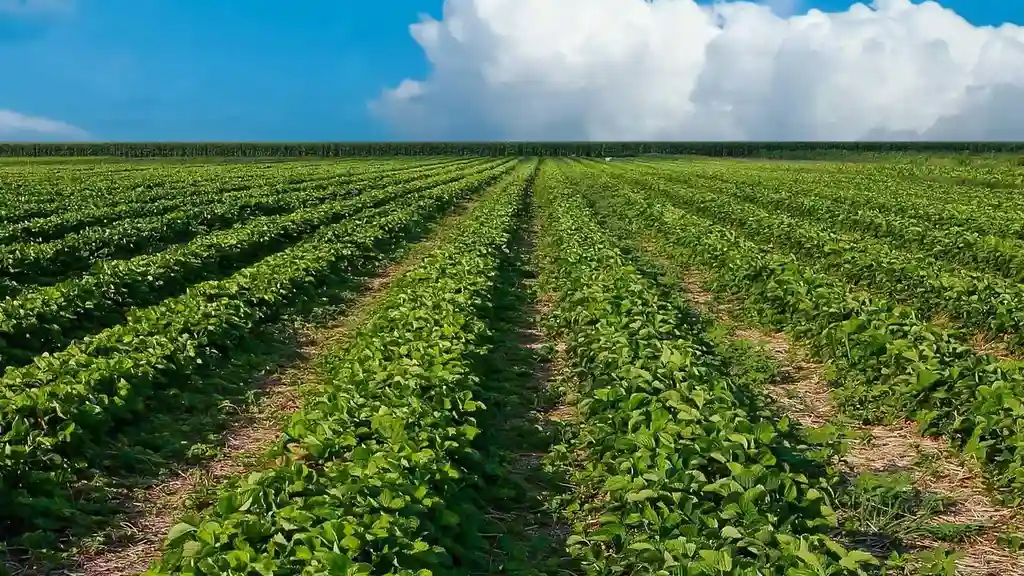
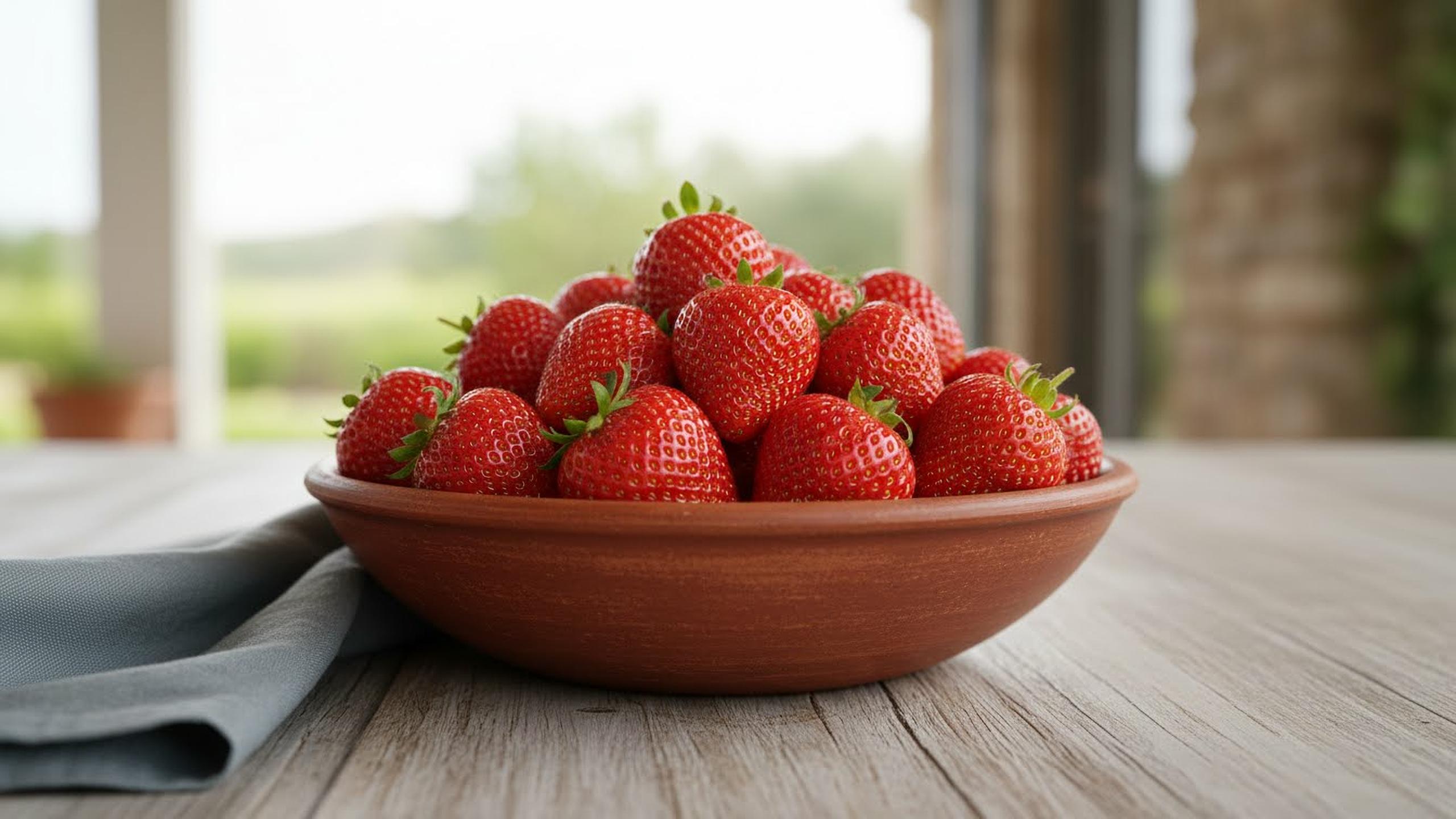
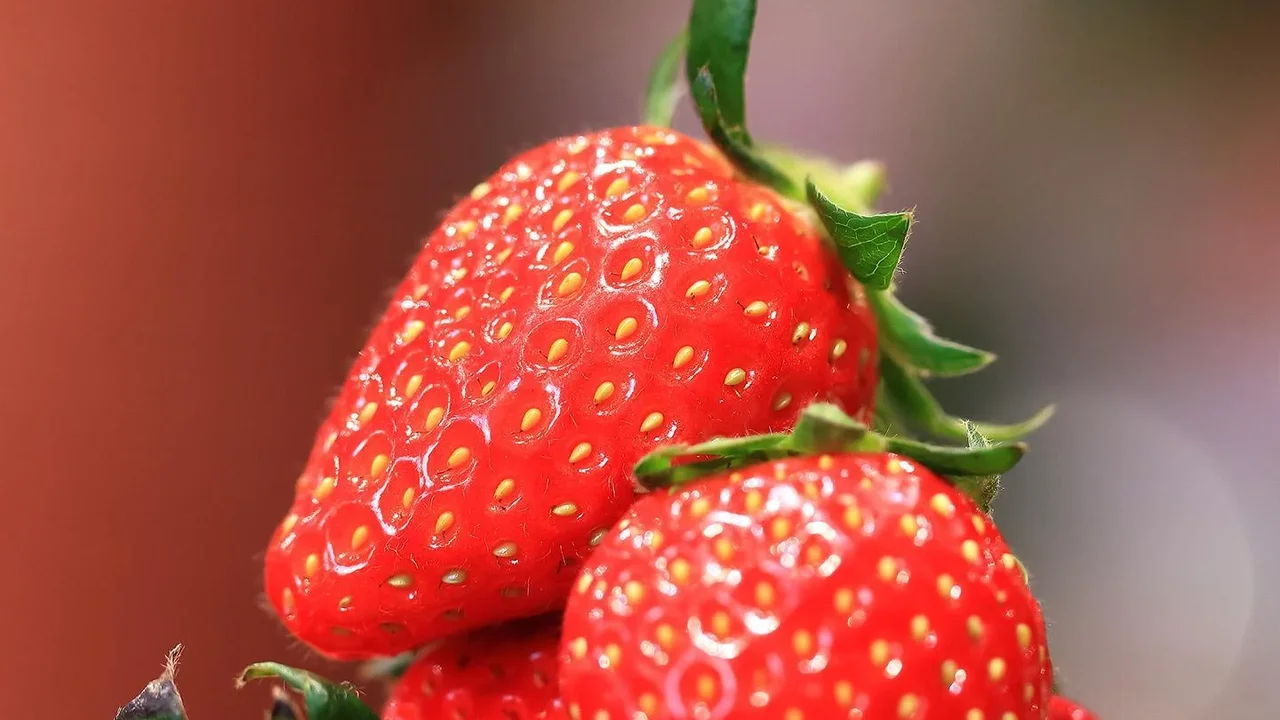
For decades, Indian strawberry cultivation has relied heavily on a handful of foreign varieties, primarily from California and Spain. Names like Chandler, Camarosa, and Sweet Charlie dominate the fields, especially in the Mahabaleshwar-Panchgani belt,
which impressively produces about 85% of the country's strawberries. While these varieties have been commercially successful, they come with challenges. Farmers are dependent on expensive imported mother plants each season, and these berries are often not optimized for India's diverse and sometimes harsh climatic conditions, leaving crops vulnerable to unpredictable weather. This reliance has sparked a crucial question among scientists and agricultural bodies: Why not develop an Indian strawberry?
The Search for a Desi Strawberry
In response, a significant push is now being made by Indian scientists to create the nation's first indigenous strawberry variety. The goal is ambitious: to develop a berry that combines the desirable size and texture of popular foreign types with the robust, climate-resilient traits of native Indian flora. This initiative aims to provide farmers with a self-reliant option, reducing import costs and creating a more sustainable agricultural cycle. The project is not just about creating a substitute but about innovating a superior product tailored for Indian conditions, one that can withstand heatwaves and other local environmental stressors.
The Payoff for Farmers
For farmers, a successful indigenous variety could be a game-changer. The primary benefit would be freedom from the costly and complex supply chain of imported saplings. A locally adapted variety would likely require fewer chemical inputs and be more resistant to regional pests and diseases, lowering operational costs. Furthermore, these climate-resilient plants would offer better protection against crop loss from sudden spells of heavy rain or heat, a constant risk for cultivators. This move towards agricultural self-reliance is also being complemented by other innovations, as farmers increasingly experiment with hydroponics, AI-powered weather monitoring, and direct-to-consumer sales models to improve profitability and control.
A New Frontier for Food Lovers
The project also holds exciting promise for Indian consumers and chefs. Indigenous varieties often boast unique and more complex flavour profiles compared to their mass-marketed counterparts. While commercial strawberries are bred for size, firmness, and shelf life, an Indian variety could prioritize taste, aroma, and nutritional value. The introduction of a new, distinctly Indian berry could spark culinary creativity, finding its way into premium desserts, artisanal jams, and local dishes. It offers a story—a berry born from Indian soil and scientific ingenuity—that resonates with a growing consumer interest in local, sustainable food sources.
Hurdles on the Path to Harvest
Despite the enthusiasm, the journey is a long one. Experts caution that developing and stabilizing a new fruit variety is a meticulous process that could take over a decade to yield commercial results. The scientific challenge lies in achieving the perfect balance: the resilience of a wild plant with the yield and appeal of a commercial crop. Once a variety is developed, it must be mass-produced and a market must be established. Farmers will need to be convinced to adopt the new plants, and a distribution network must be created to bring the fruit from farms to tables across the country. These are significant logistical and economic hurdles that will require coordinated effort from researchers, government bodies, and the private sector.